
What a Dietitian Would Order at Dunkin’
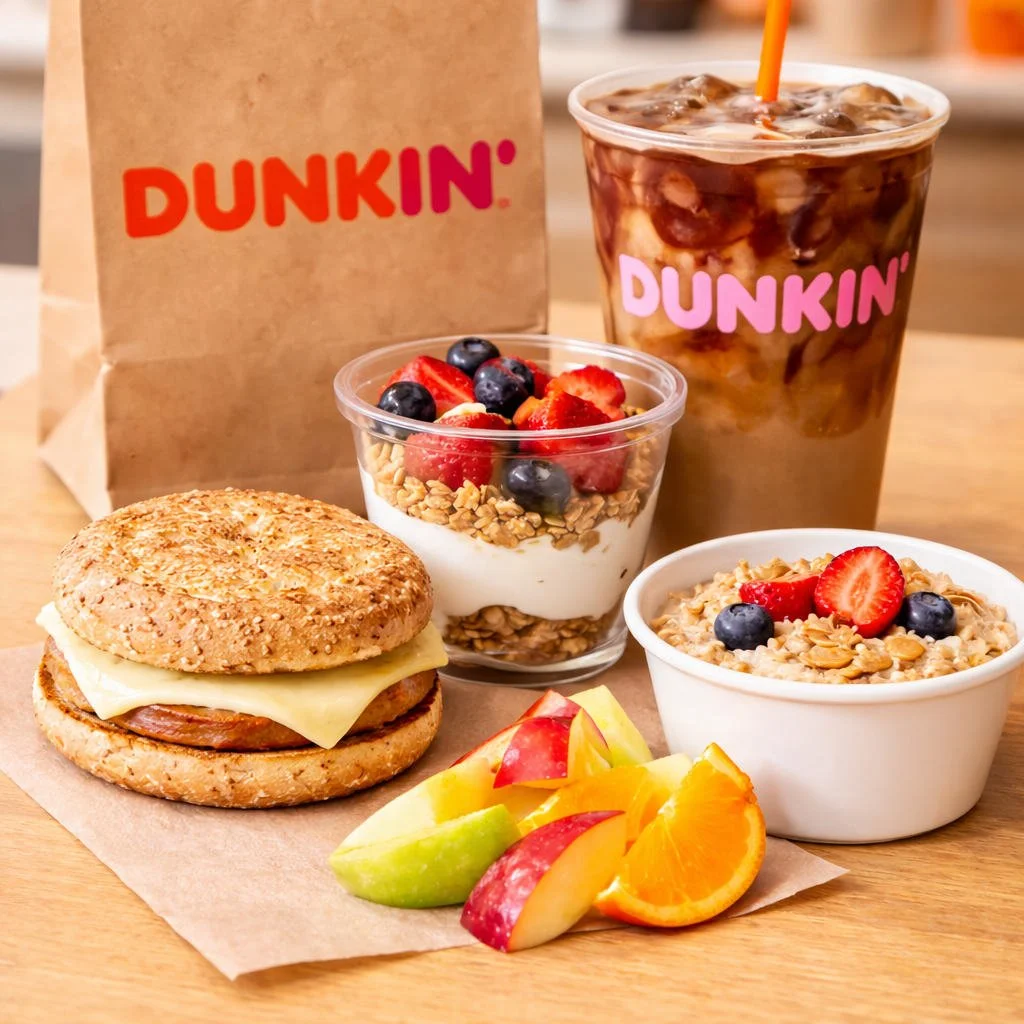
Dunkin’ is not a health-food restaurant, and that is exactly why this kind of article matters. Most people are not walking in there for grilled salmon and a side of roasted vegetables. They are grabbing breakfast on the way to work, picking up coffee, or stress-ordering something through the drive-thru because life is moving too fast. The good news is that Dunkin’ does publish a current U.S. nutrition guide, updated March 4, 2026, and that makes it possible to separate the better choices from the ones that quietly turn your breakfast into dessert. Menu items can vary by location, but the overall pattern is clear.
If a dietitian were ordering at Dunkin’, the playbook would be pretty simple. First, get some protein so the meal actually fills you up. Second, keep drinks simple, because coffee is where people often accidentally pile on sugar and calories. Third, be careful with the “treat disguised as breakfast” category: frozen coffee drinks, oversized pastries, sugary refreshers, and heavy breakfast sandwiches that sound convenient but eat like a brick. EatingWell’s recent dietitian coverage on Dunkin’ lands in basically the same place, highlighting plain iced coffee or cold brew with minimal add-ins as the smartest drink foundation.
For breakfast, the most dietitian-coded order on the menu is probably the Egg and Cheese on an English Muffin. EatingWell specifically called this the No. 1 Dunkin’ order for weight loss, and the official nutrition guide backs up why: it has 340 calories, 14 grams of protein, and 650 mg of sodium. That is not magically “clean,” but compared with the heavier sandwiches on bagels, croissants, or biscuits, it is a much more reasonable starting point. You get a decent protein hit without the calorie total getting out of control.
Another solid option is the Turkey Sausage Wake-Up Wrap. This is the kind of order a dietitian might choose when they want something quick and lighter but still more substantial than just coffee. According to Dunkin’s nutrition guide, it comes in at 230 calories with 11 grams of protein. The downside is sodium, which is still 660 mg, so it is not exactly low-salt wellness food. But if the goal is damage control at a fast-food breakfast stop, this is still a pretty rational pick.
If you want a meat-free option, Avocado Toast is one of the better choices on the menu. Dunkin lists it at 240 calories with 6 grams of fibre and 6 grams of protein. That fibre number matters, because fast-food breakfasts are often weak on fibre and leave people hungry again too soon. The catch is that avocado toast alone may not be enough for someone with a big appetite, especially if they are used to a heavier breakfast. A dietitian would probably like it most as a lighter breakfast or as part of a smarter combo with a plain coffee rather than alongside a pastry. That is an inference from the nutrition profile, but it is a pretty fair one.
On the drink side, the cleanest order is still the boring one: plain coffee, cold brew, or an Americano. Dunkin’s nutrition guide lists a medium plain cold brew at just 5 calories, and a medium Americano at 10 calories. EatingWell’s panel of dietitians recently said their favorite Dunkin’ order was iced coffee or cold brew with just a splash of dairy, specifically because it keeps calories and sugar low while still being customizable. In other words, the healthiest Dunkin’ drink is usually not some special hack. It is just coffee that has not been turned into melted ice cream.
That is the big trap at Dunkin’: the drinks. A lot of people think they are making a pretty normal coffee run when they are actually ordering a milkshake with caffeine. Dunkin’s nutrition guide shows a medium Frozen Coffee with Cream at 590 calories. That is a meal’s worth of calories before you have even added food. Flavored swirls, frozen drinks, and heavily sweetened seasonal beverages are usually where an otherwise reasonable order goes sideways fast. A dietitian would not necessarily say you can never have them, but they would almost certainly treat them as dessert, not as coffee.
Refreshers can fool people too, because they sound lighter and fruitier than they really are. EatingWell noted late in 2025 that Dunkin’ Refreshers tend to be high in added sugar and can cause a rapid blood sugar spike, especially when they are not paired with a more balanced meal. So if your goal is “healthy,” a bright-colored refresher is not automatically a win over coffee. A dietitian would usually lean toward unsweetened coffee or tea first, then build from there.
What about sweets? Realistically, sometimes people are going to Dunkin’ because they want something sweet, and pretending otherwise is useless. In that situation, the more dietitian-style move is portion control, not fantasy. Dunkin’s nutrition guide lists Old Fashioned Munchkins at 50 calories each, Jelly Munchkins at 60, and Glazed Old Fashioned Munchkins at 70. So if you are going to have something sugary, one or two Munchkins with coffee is a much more controlled choice than a giant pastry plus a sugary drink. That is not health food. It is just a smarter way to scratch the itch.
The other thing a dietitian would notice at Dunkin’ is that the menu gets less impressive the more indulgent and bread-heavy it becomes. The official nutrition guide lists Egg and Cheese on a Plain Bagel at 460 calories and 1,010 mg of sodium, while the Sausage, Egg and Cheese on an English Muffin jumps to 560 calories and 1,140 mg of sodium. Even when the sandwich format sounds similar, the bread, meat, and extras can push the numbers up fast. That is why the smaller, simpler breakfast items usually win.
So if you want the practical answer, here is what a dietitian would most likely order at Dunkin’: Egg and Cheese on an English Muffin with a plain coffee, Turkey Sausage Wake-Up Wrap with a cold brew, or Avocado Toast with an Americano. If they want something sweet, they are more likely to keep it small and deliberate rather than ordering a sugar-heavy drink and a pastry at the same time. That is really the whole strategy at Dunkin’. You are not looking for a perfect meal. You are looking for the option that gives you some protein, avoids a huge sugar hit, and does the least damage when you need convenience.
The best way to think about Dunkin’ is not “healthy” versus “unhealthy.” It is better choice versus worse choice. A dietitian at Dunkin’ would not overcomplicate it. They would keep breakfast simple, drinks plain, and treats small. That is probably the smartest way for regular people to order there too.