
What a Dietitian Would Order at Chick-fil-A
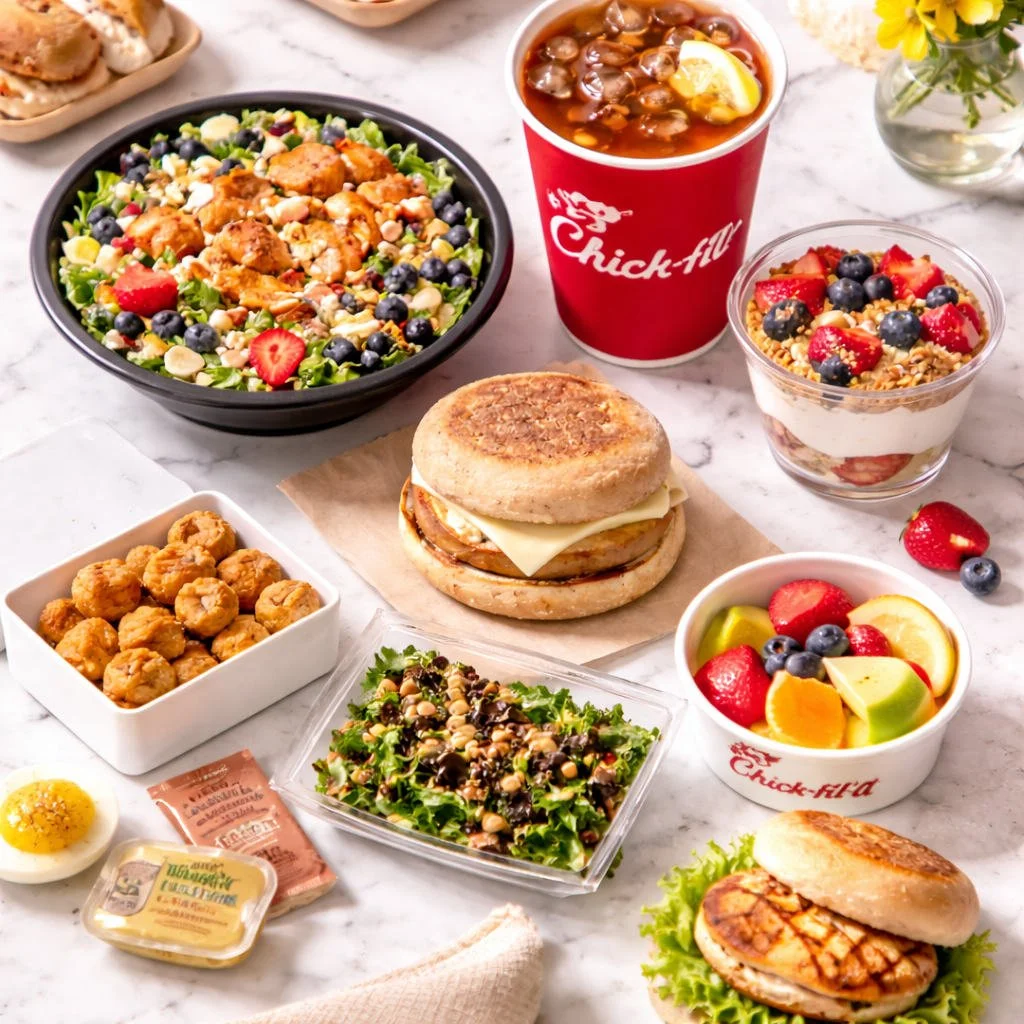
Chick-fil-A has a healthier reputation than a lot of fast-food chains, and in some ways that reputation is deserved. There are genuinely strong options on the menu, especially if you lean toward grilled chicken, fruit, and simpler sides. But it is still fast food, and the difference between a pretty solid order and a sneaky calorie bomb often comes down to breading, sauces, dressings, and drinks. Chick-fil-A’s official nutrition guide also notes that its numbers are based on standard recipes and may vary, which is worth remembering anytime you customize.
If a dietitian were ordering here, the basic strategy would be simple: prioritize lean protein, use sides to add produce or fibre, and do not let sauces or drinks quietly wreck the meal. That last part matters because Chick-fil-A explicitly says menu-board calories do not include toppings, sauces, or dressings. In other words, the sandwich or salad may look reasonable at first glance, but the extras can change the math fast.
For breakfast, the clearest dietitian-style pick is the Egg White Grill. Chick-fil-A lists it at 300 calories with 27 grams of protein, and the chain has repeatedly highlighted it as one of its higher-protein, lighter breakfast options. That is exactly the kind of order a dietitian tends to like: solid protein, not absurdly high in calories, and built on an English muffin instead of a heavy biscuit. It is the sort of breakfast that actually feels like food instead of a fried carb delivery system.
If someone wants a breakfast that feels a little more substantial, the Hash Brown Scramble Bowl with Grilled Filet is a reasonable second choice. It comes in at 420 calories with 31 grams of protein, which is a strong protein total for fast food. It is not the lightest thing on the breakfast menu, but it makes a lot more sense than some of the heavier biscuit-based items because at least you are getting a very filling amount of protein with it.
For a lighter or sweeter breakfast, the Berry Parfait is one of the more sensible picks. Chick-fil-A lists it at 270 calories with 13 grams of protein. That makes it more useful nutritionally than a random pastry or fried breakfast item, though it is still sweet enough that a dietitian would probably think of it as a lighter meal or snack, not the most filling breakfast on the board.
Where Chick-fil-A really starts to shine is lunch and dinner, because the grilled chicken options are much easier to work with than the breaded classics. The 8-count Grilled Nuggets are probably the most dietitian-coded thing on the whole menu: 130 calories and 25 grams of protein. Chick-fil-A itself has promoted them as a lighter, high-protein option, and that is hard to argue with. It is rare to get that much protein for that few calories in a drive-thru.
One of the smartest lunch combos is the 8-count Grilled Nuggets plus the Kale Crunch Side. Chick-fil-A’s own menu guidance has pointed to this pairing as a filling 300-calorie meal, and the current nutrition pages line up with that: 130 calories for the nuggets and 170 for the kale side. The Kale Crunch Side also adds 4 grams of fibre, which matters because fast-food meals are often weak on fibre and leave people hungry again too quickly.
Another strong order is the Grilled Chicken Sandwich. The current official nutrition page lists it at 390 calories with 28 grams of protein. That is a lot more reasonable than the original fried sandwich, especially if you want something that still feels like a normal sandwich meal rather than a “health food” compromise. EatingWell also singled it out as the healthiest fast-food chicken sandwich in one recent comparison, which fits the general dietitian logic here: grilled, decent protein, manageable calories.
If you want the most complete meal on the menu, the Market Salad with Grilled Filet is probably the best all-around answer. A recent EatingWell piece said dietitians all landed on the Market Salad with grilled chicken as the healthiest menu item at Chick-fil-A, and the current official nutrition page lists the grilled-filet version at 550 calories with 28 grams of protein. That is higher in calories than nuggets or a sandwich, but it is also a full meal with greens, fruit, nuts, and lean protein. It is the kind of order a dietitian would choose when they want the most balanced option rather than the lightest one.
Sides make a big difference at Chick-fil-A. If a dietitian is trying to keep the meal lighter, the Fruit Cup is an easy win at 70 calories for a medium. The Kale Crunch Side is also a very solid fast-food side because it brings greens, some crunch, and fibre instead of just more starch. Those are the kinds of swaps that do not feel dramatic in the moment but make the whole meal better.
Drinks are another place where a dietitian would keep things pretty boring on purpose. Unsweetened iced tea is 0 calories, which makes it one of the cleanest options on the menu. Diet Lemonade is also much lighter than regular lemonade; Chick-fil-A’s beverage menu lists it at 60 calories per container, while regular lemonade is 190 calories per 12-ounce serving. That does not mean regular lemonade is “bad,” but if you are trying to eat better, it is very easy for a sweet drink to add a lot of sugar without helping fullness at all.
Sauces are where a lot of otherwise decent Chick-fil-A orders get sneaky. The company’s sauce menu lists Zesty Buffalo Sauce at 25 calories, Honey Mustard Sauce at 50 calories, Sweet & Spicy Sriracha at 45 calories, and Polynesian Sauce at 110 calories. Since Chick-fil-A also says sauce calories are not included in menu-board totals, a dietitian would probably either use sauce sparingly or choose one of the lighter options instead of dumping a high-calorie sweet sauce over everything.
The things a dietitian would be more likely to skip as an everyday order are the heavier, fried, and more sodium-loaded staples. The original Chick-fil-A Chicken Sandwich has 420 calories and 1,460 milligrams of sodium. The Chicken Biscuit is 460 calories with 1,510 milligrams of sodium. The Hash Brown Scramble Burrito clocks in at 700 calories. And even the Frosted Lemonade with Diet Lemonade still comes in at 280 calories and 50 grams of carbs, which tells you it is much closer to dessert than to a regular drink. Those can absolutely be occasional treats, but they are probably not what a dietitian is picking on a random workday.
So what would a dietitian realistically order at Chick-fil-A? Probably something like Egg White Grill and unsweet tea for breakfast, 8-count Grilled Nuggets with a Kale Crunch Side for lunch, Grilled Chicken Sandwich with a Fruit Cup when they want something more normal-feeling, or Market Salad with Grilled Filet when they want the most balanced full meal. If they use sauce, they are more likely to keep it light and deliberate than to treat it like a freebie.
The nice thing about Chick-fil-A is that you do not have to do weird hacks to eat a little better there. The good choices are already on the menu. A dietitian would just steer toward the grilled chicken, keep drinks simple, and remember that sauces, dressings, and sugary add-ons count too. That is really the whole formula.