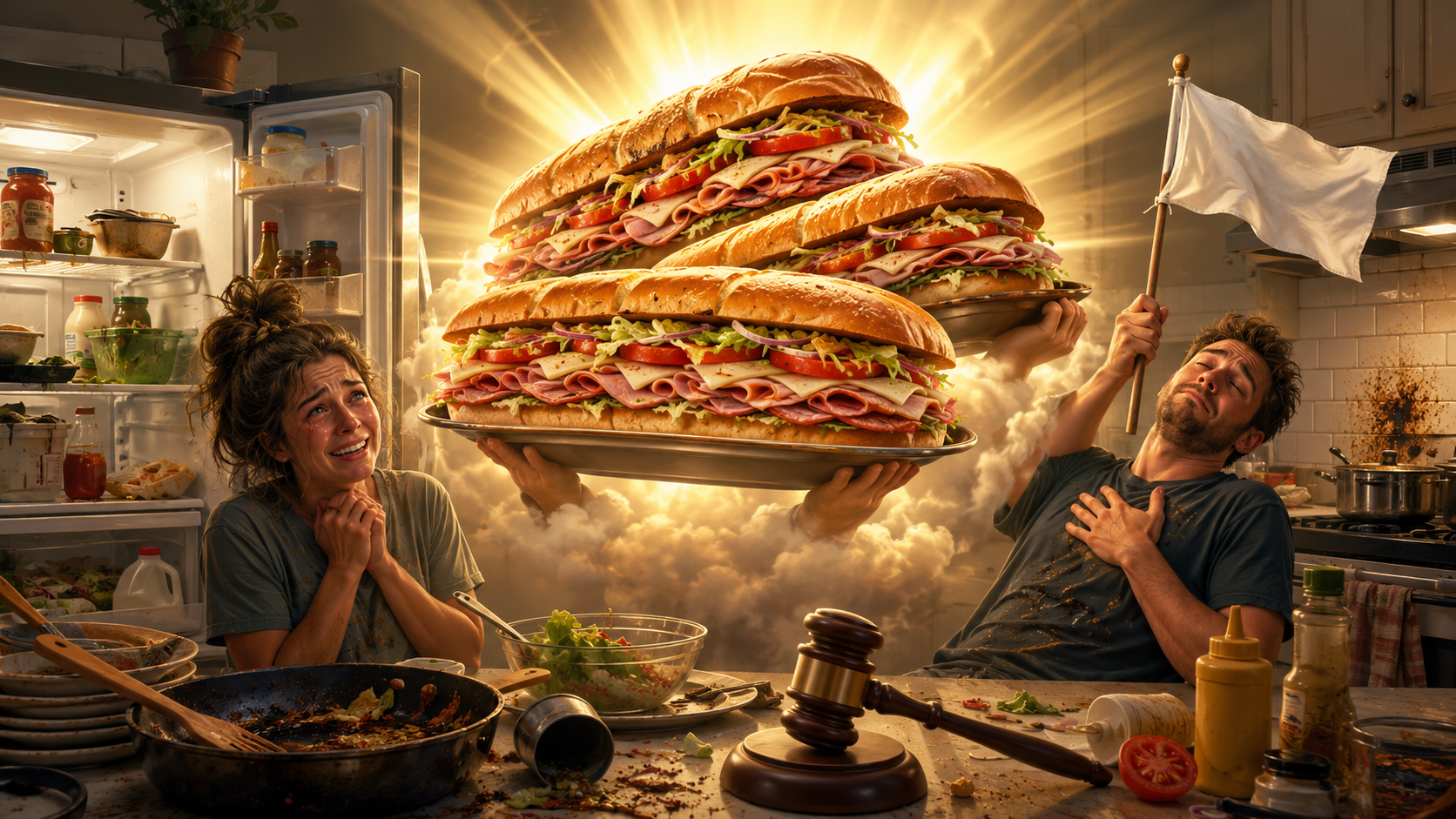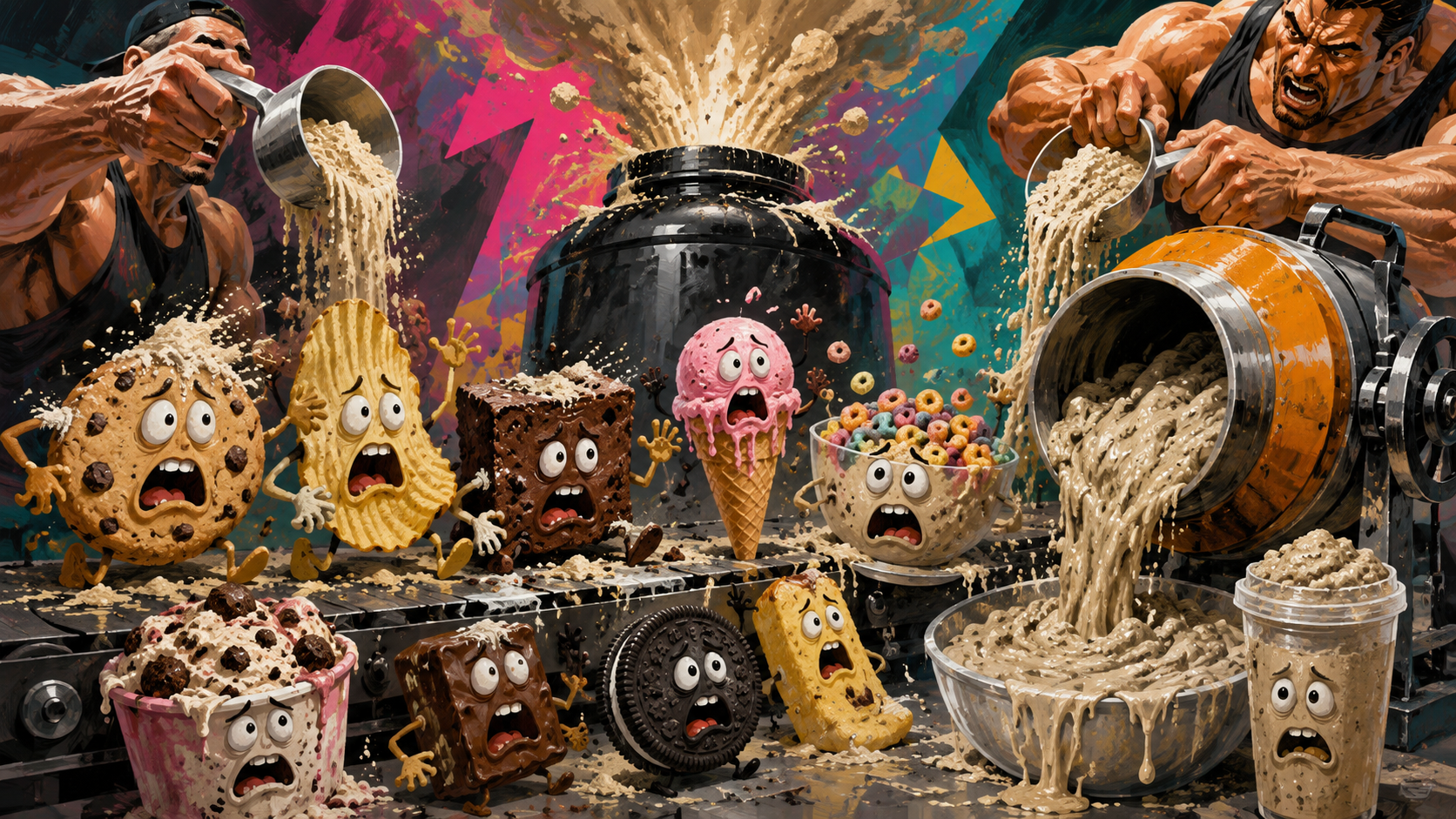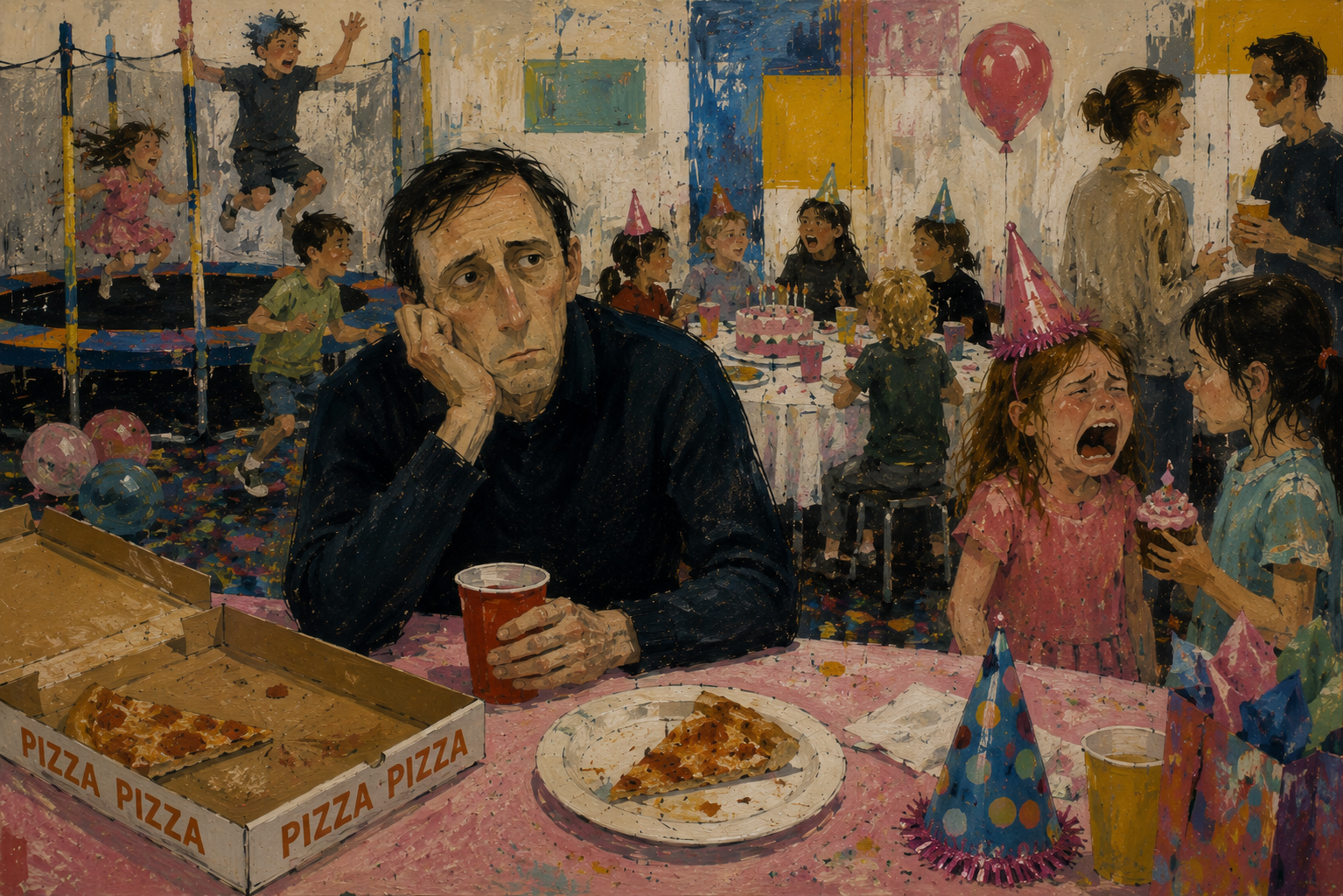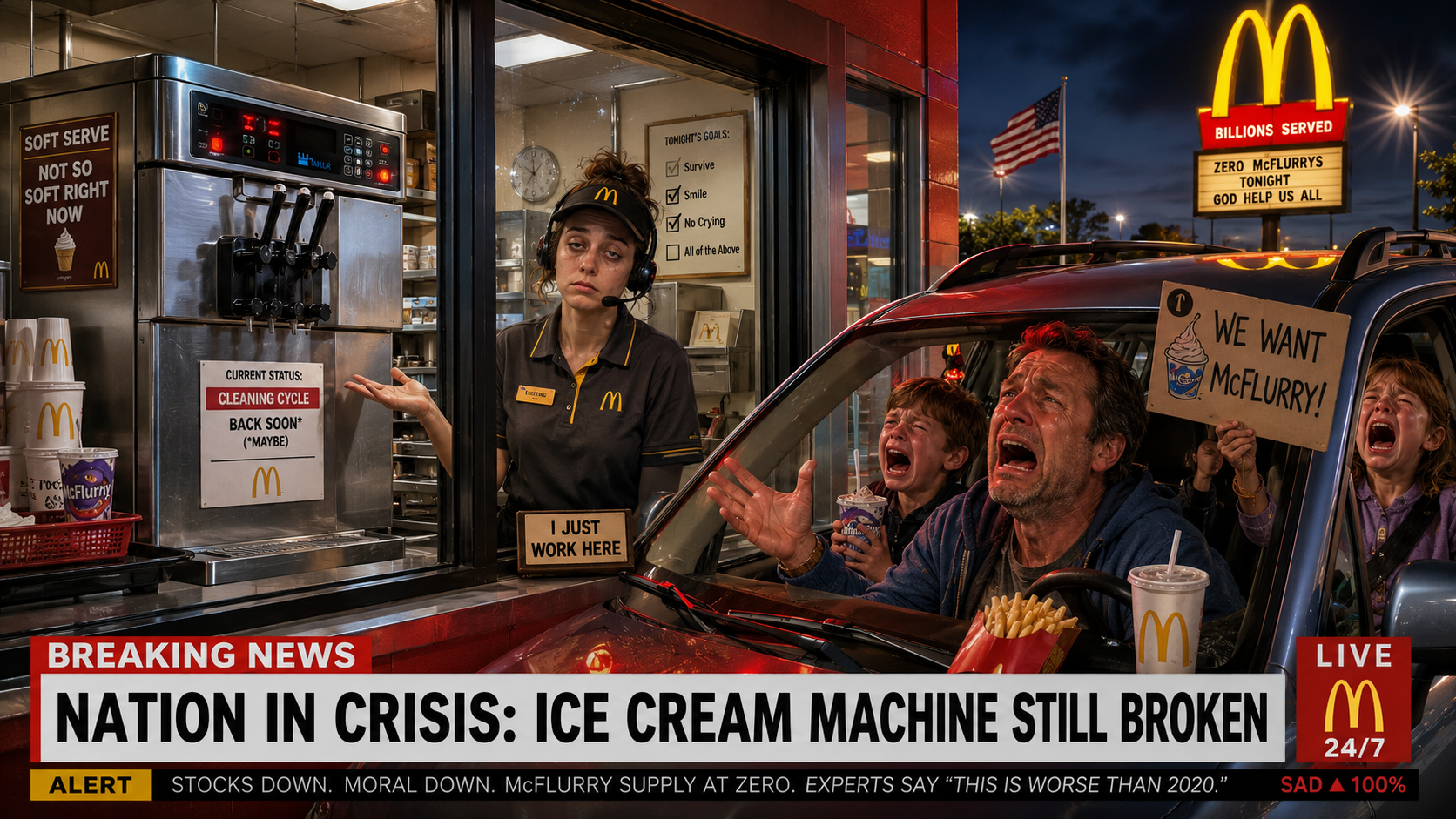
The McDonald’s ice cream machine isn’t always broken. The cashier just maybe doesn’t like you.
The McDonald’s ice cream machine is not a sacred relic. It is not a national monument. It is not a dairy sphinx guarding the last viable spoonful of joy in an otherwise collapsing republic.
It is a commercial soft-serve machine.
That means it is part freezer, part plumbing system, part food-safety apparatus, part software hostage situation, and part stainless-steel bureaucrat. It contains mix, pumps, sensors, tubes, temperature controls, cleaning requirements, maintenance cycles, and the delicate temperament of a municipal website built in 2006.
So, when the cashier says, “The machine is broken,” the machine may not be broken in the dramatic way you imagine. It may not be smoking, sparking, or lying on its side like a defeated kitchen appliance in a war documentary.
It may simply be unavailable.
But “unavailable” is too nuanced a word for the drive-thru ecosystem. Nobody at the second window has time to deliver a lecture on refrigeration compliance to a balding man in a Subaru whose brats are chanting “ice cream, ice cream, ice cream!” from the backseat like a tiny sugar cult. So the employee says “broken,” because “broken” is short, functional, and sufficiently final.
And yes, sometimes maybe the cashier just does not like you.
Not personally. Probably.
But institutionally. Spiritually. As a representative of the great public nuisance known as “the customer who cannot accept that a dessert machine has boundaries.”
The machine is not broken just because it failed to gratify you.
There is a difference between “broken” and “not currently able to serve you,” but the modern fast food customer treats that distinction like optional reading in a college course they are already failing.
A chair is broken when it collapses.
A phone is broken when it will not turn on.
A McDonald’s ice cream machine is “broken” when it is cleaning itself, locked in a cycle, waiting for attention, refusing to dispense, out of mix, throwing an error, or otherwise participating in the long mechanical tradition of disappointing people who had no backup plan.
This is not always mechanical failure. Sometimes it is procedure. Sometimes it is food safety. Sometimes it is an internal system doing exactly what it was designed to do, which unfortunately includes not producing your dessert on command like a trained dairy animal.
But you do not care about procedure. You care about the McFlurry you constructed in your imagination six minutes ago while turning into the parking lot.
That is the root of the conflict.
The machine is operating inside a reality of maintenance, temperature control, sanitation, labor, timing, and corporate systems. You are operating inside a fantasy where the dessert menu exists as a personal promise from Ronald McDonald’s crotch.
These two realities do not always overlap.
“Broken” is not a technical diagnosis. It is a mercy killing.
When a fast food worker says the ice cream machine is broken, they are not necessarily offering a detailed mechanical report. They are ending the conversation before it mutates into public theatre with a nonzero chance of stabbing.
“Broken” is not always literal.
“Broken” means no.
“Broken” means the machine cannot currently serve the item.
“Broken” means nobody in that building is about to explain heat-treatment cycles to a stranger who has already sighed into the speaker box like a Victorian widow.
“Broken” is the verbal equivalent of putting a traffic cone over a hole in the sidewalk. It may not satisfy your curiosity, but it communicates the most important piece of information: do not proceed as planned.
Could the employee explain more? Maybe.
Would you understand it? Probably not.
Would the eight cars behind you appreciate this impromptu symposium on soft-serve operations? Absolutely not.
The drive-thru is not a classroom. It is a conveyor belt for impatient and hungry people who don’t know where the nearest grocery store is.
The cashier is not hoarding secret McFlurries in the back.
There is no hidden dessert society behind the counter.
There is no private McFlurry lounge where preferred customers recline on fry boxes while employees whisper, “Not for that one,” and gently fold Oreo pieces into forbidden cream.
Fast food workers are not denying you ice cream because they enjoy the artistic purity of your disappointment. They are denying you ice cream because the machine is unavailable, the system will not allow the order, the product cannot be safely served, management has said no, or the machine has entered one of its many little appliance seizures.
Do you know who benefits when the ice cream machine works?
Everyone.
The customer gets dessert. The employee avoids an argument. The line moves. The restaurant sells a product. Society, for one brief glowing second, resembles a functional arrangement.
Nobody working the register is improved by telling you no. That employee is not acquiring power. They are acquiring your facial expression, which is worse.
They do not want to watch you process grief through a headset.
They do not want to hear, “But it always says that.”
They do not want you to ask whether they can “just check,” as if the machine is a shy horse that might perform if coaxed.
They want you to choose another item and move forward in the civilizational experiment.
“But I saw the machine” is not evidence of anything useful.
There is a particular species of customer who, upon being told the machine is down, points out that they can see it.
Excellent. You have perceived an object. Archaeologists will write a book about you when they dig up your flattened and battered corpse.
Seeing a machine does not mean the machine is available. I can see a plane at the airport. That does not mean I am flying it to Toronto.
The machine can exist, stand upright, glow faintly, contain parts, and still be functionally useless to you. This is also true of many middle managers, but at least the soft-serve machine has the dignity to admit when it cannot produce anything.
The machine may be in a cleaning cycle. It may be heating and cooling. It may require disassembly. It may be locked by an error code. It may have run out of mix. It may be waiting for someone trained, authorized, or emotionally numb enough to deal with it.
Your visual confirmation does not override any of that.
“But I saw someone else get one earlier” is not much better.
Earlier is not now. One location is not another location. The app is not a divine covenant. The last person may have received the final usable serving before the machine descended into whatever metallic sulk now stands between you and dessert.
Time passes. Conditions change. Machines fail. Dairy complicates everything.
This is not a conspiracy. This is equipment.
The McFlurry is not significant enough for your behavior to deteriorate this quickly.
Let us be clear. A McFlurry is good.
It is cold. It is sweet. It has texture. It has a spoon shaped like a small industrial tool. It knows what it is, which is more than can be said for most menu items wearing the word “artisan” and upcharging 50% because one of the ingredients came from some island in the Pacific you’ve never heard of because it doesn’t exist.
But the McFlurry is still a fast food dessert.
It is not insulin. It is not a legal entitlement. It is not the missing sacrament in a religious rite. It is not the final emotional support beam holding up your household.
If the machine is unavailable, you still have options. You can order another dessert. You can go somewhere else. You can check another location. You can return another day. You can experience wanting something and not receiving it immediately, a sensation previous generations called “being alive.”
What you cannot do, or at least what you should not do, is transform into a litigant at the drive-thru speaker.
The cashier did not vandalize your evening. The cashier conveyed a limitation. Your inability to absorb that limitation with grace is not a service failure. It is a personal development opportunity wearing a Grimace costume.
The soft-serve machine is a complicated little despot.
The public imagines the ice cream machine as a simple contraption: pour in mix, pull lever, receive dessert. A charming fantasy. Very pastoral. Almost Amish in its mechanical innocence.
Unfortunately, modern commercial soft-serve machines are not adorable buckets with handles. They are elaborate temperature-controlled systems designed to dispense dairy products without turning the restaurant into a foodborne illness exhibit.
They clean. They heat. They cool. They monitor. They lock. They refuse. They demand attention. They behave, in other words, like every other piece of modern equipment: powerful enough to perform a simple task, complicated enough to fail in twelve ways invisible to the person demanding that task.
This is why “just try it” is such a stupid request.
“Just try it” is what people say when they believe machines respond to optimism. They do not. Machines respond to conditions. Temperature. Mix levels. Cycle status. Sensors. Maintenance. Error codes. Software permissions. The cashier cannot override these by sacrificing a goat to a higher power.
The machine is not withholding ice cream out of shyness. It is not waiting for encouragement. It is either available or it is not.
You saying “just try it” has the same technical value as clapping for a printer.
The app is embarrassing, but it is also useful.
The McDonald’s app can often tell you whether a specific location is currently offering the dessert you want. This is useful information. It is also humiliating, because nobody wants to pre-screen a McFlurry like they are assessing geopolitical risk.
And yet here we are.
If dessert matters enough that its absence will destabilize the evening, check the app before you go. Select the location. Try to add the item. Observe reality before driving toward it with the confidence of a man who thinks “probably” is a plan.
Is the app perfect? No. Of course not. It is an app connected to a fast food system, not the Library of Alexandria.
But it gives you better odds than arriving at 7:58 p.m. after soccer practice with three cranky children and the doomed optimism of a person who has apparently never broken anything in their kitchen.
Late-night McFlurry runs are where hope goes to be thrown into the wood chipper.
The late-night McFlurry run is one of the most self-sabotaging rituals in modern food culture.
It begins innocently enough. Someone wants ice cream. This is understandable. Human beings have done stupider things for sugar, including inventing fondant.
Then someone says, “Let’s go to McDonald’s,” as though the McDonald’s ice cream machine after dark is a dependable civic institution rather than a recurring disappointment with a menu board.
By late evening, the restaurant may be cleaning equipment, preparing for close, restocking, resetting, managing reduced staff, or simply trying to survive the final parade of people who have decided that 11 p.m. is an excellent time to order dessert, fries, and emotional reassurance.
This does not mean you can never get ice cream at night. Sometimes you can. Fortune smiles. The machine dispenses. The spoon arrives. The republic holds.
But late-night dessert runs carry risk. Everyone knows this. Pretending otherwise is not innocence; it is snack-related denial.
If the McFlurry is essential, go earlier. Or go to a corner store. Remember those? They still exist. They also sell beer. If that doesn’t appeal to you, fine, but don’t act betrayed when the most infamous machine in fast food lives up to its literature.
Stop interrogating workers who did not design the dairy infrastructure.
The cashier did not build the machine.
The cashier did not write the software.
The cashier did not negotiate the maintenance contract.
The cashier did not schedule the heat cycle specifically to ruin your night, despite the flattering implication that your dessert life is worth that level of institutional coordination.
The cashier is the messenger. The messenger is grossly underpaid, multitasking under fluorescent lights, absorbing fryer alarms, window timers, modifications, payment problems, sauce requests, and the dead-eyed impatience of the public.
When they say the machine is down, the correct response is not an evidentiary hearing.
Acceptable responses include:
“Okay.”
“What desserts do you have?”
“No problem.”
“I’ll get something else.”
Unacceptable responses include:
“Are you sure?”
“Can you check again?”
“But it always says that.”
“Why?”
“What time will it be fixed?”
“I drove all the way here.”
“I am going to drive this car directly into your plants.”
None of these statements repairs the machine. They only lengthen the encounter and reveal that your relationship with disappointment needs maintenance more urgently than the Taylor unit in the corner.
The cashier probably doesn’t hate you. But you are assembling a persuasive case.
In fairness, the cashier probably does not hate you. The cashier probably does not remember you. You are one face in a long procession of faces, all of them wanting things, changing orders, asking for sauce too late, and treating the drive-thru speaker like a confession booth for poor planning.
They do not hate you because you asked for a McFlurry.
They may, however, begin to dislike you when you refuse the answer.
Not because you wanted dessert. Wanting dessert is normal. It is one of humanity’s few defensible impulses.
The problem is the performance afterward: the sighing, the repeated questions, the skepticism, the wounded tone, the demand for explanation, the implication that the worker is lying because your craving has failed to materialize.
At that point, yes, perhaps the cashier does not like you.