What a Dietitian Would Order at Chipotle
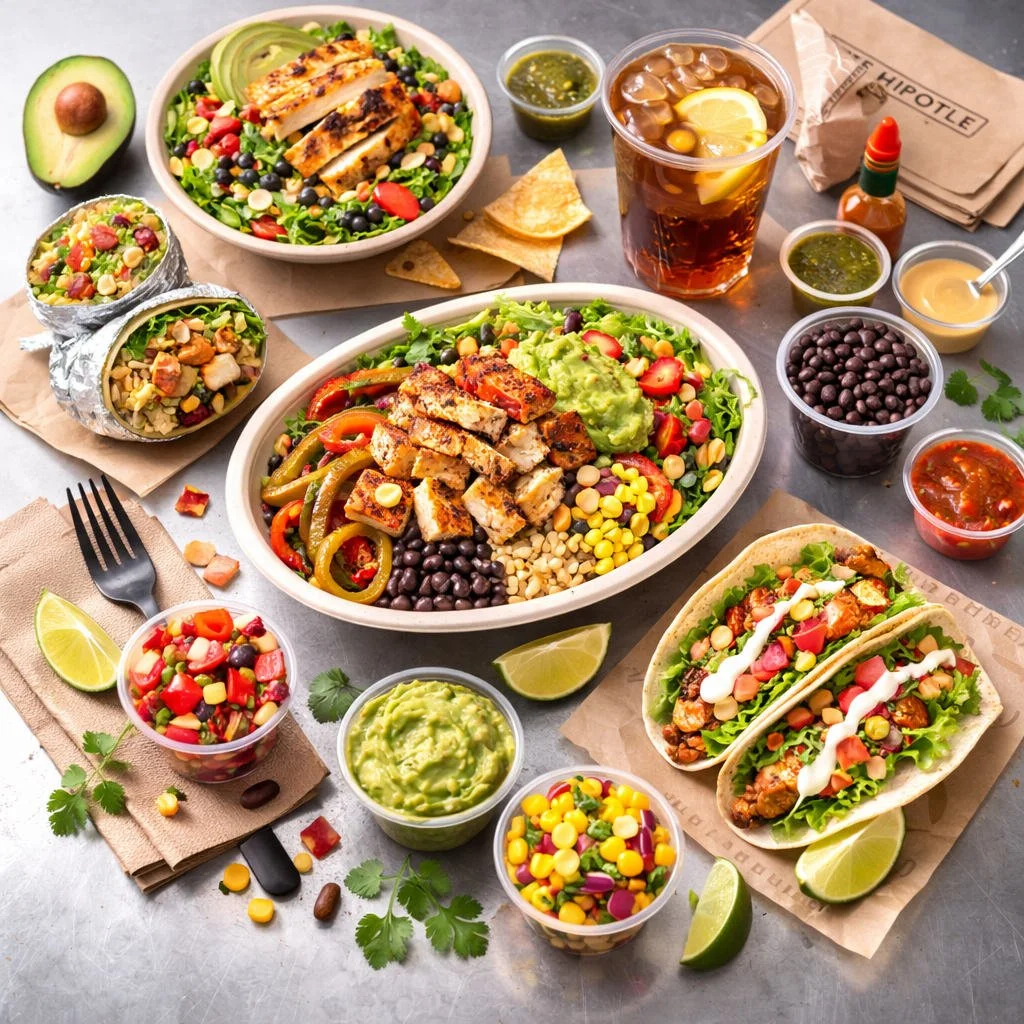
Chipotle is one of the easiest fast-food chains to turn into a genuinely decent meal. Unlike a lot of chains, Chipotle lets you build your meal ingredient by ingredient, and its official nutrition calculator is designed for exactly that.
If a dietitian were ordering at Chipotle, the strategy would be pretty simple: start with a bowl or salad instead of a burrito, build around lean protein and beans, load up on fajita vegetables and salsa, and be careful with the calorie-dense extras. Chipotle’s official nutrition facts show how fast calories can climb: white or brown rice adds 210 calories, beans add 130, cheese adds 110, guacamole adds 230, Chipotle-Honey Vinaigrette adds 220, and a burrito tortilla adds 320 calories before you even get to chips or a drink.
That is why the best healthy Chipotle order is usually a Chipotle bowl, not a burrito. A burrito is not automatically bad, but the tortilla alone adds 320 calories and 600 milligrams of sodium, which makes it much harder to keep the meal in a reasonable range. If you are searching for the lowest calorie Chipotle order or the best Chipotle order for weight loss, cutting the tortilla is one of the easiest wins on the whole menu.
The strongest overall answer right now is probably Chipotle’s High Protein-High Fiber Bowl. Chipotle says this bowl has 46 grams of protein, 14 grams of fiber, and 540 calories, and it is built with adobo chicken, light brown rice, black beans, fajita veggies, corn salsa, fresh tomato salsa, and lettuce. That is exactly the kind of healthy Chipotle bowl a dietitian would like because it hits the big things people usually want: high protein, good fiber, real fullness, and enough volume that it feels like an actual meal.
If your goal is a high-protein Chipotle order, Chipotle now makes that angle even easier than before. The company’s late-2025 high-protein menu includes a Double High Protein Bowl with 81 grams of protein and 760 calories, a High Protein Cup with Chicken with 32 grams of protein and 180 calories, and a High Protein-Low Calorie Bowl built with adobo chicken, supergreens, fajita veggies, fresh tomato salsa, and guacamole. In other words, the brand is openly leaning into the exact kind of macros people are searching for.
For a more normal everyday order, a dietitian would probably build something simpler than the pre-set high-protein bowls. A very strong healthy Chipotle bowl order would be: chicken, black beans, fajita veggies, fresh tomato salsa, tomatillo green salsa, lettuce, and either light rice or no rice. Official nutrition facts show why this works so well. Chicken is 180 calories per 4 ounces, black beans are 130, fajita vegetables are just 20, fresh tomato salsa is 25, tomatillo green chili salsa is 15, and romaine lettuce is 5. That gives you a filling meal without wasting a lot of calories on ingredients that do not add much satiety.
If you are specifically looking for a low-calorie Chipotle order, the new High Protein-Low Calorie Salad is one of the cleanest answers on the menu. Chipotle says it has 36 grams of protein, 10 grams of fiber, and 470 calories, and it includes adobo chicken, supergreens lettuce mix, fajita veggies, fresh tomato salsa, and guacamole. That is a strong example of what a healthy Chipotle meal looks like when the goal is to keep calories under control without ending up hungry an hour later.
The other major reason Chipotle works for healthy eating is beans. Dietitians interviewed by EatingWell recently said their favorite Chipotle orders usually center on beans, fajita veggies, salsa, chicken or sofritas, guacamole, and salad greens because that combination gives you a better mix of fiber, lean protein, healthy fats, and micronutrients. That advice lines up very well with Chipotle’s own numbers, which show that black beans add fiber and staying power for just 130 calories.
If you want the best vegetarian Chipotle order, sofritas-based bowls are usually the smartest place to start. Chipotle’s official nutrition facts list sofritas at 150 calories per 4 ounces, and EatingWell’s recent dietitian roundup specifically mentioned sofritas among the most nutritious ingredients to build around. A strong vegetarian Chipotle bowl would be sofritas, black beans, fajita veggies, fresh tomato salsa, corn salsa, lettuce, and guacamole, with rice left light or skipped depending on your goal.
Guacamole is where a lot of people get confused. Guac is not “bad,” and a dietitian would not be scared of it. But if you are searching for a low-calorie Chipotle bowl or trying to keep your Chipotle calories down, you should know what it costs you: 230 calories for a standard 4-ounce serving. That can still be worth it, especially if it helps keep a salad or bowl satisfying, but it is one of the ingredients you should add on purpose instead of by reflex.
The same goes for cheese and vinaigrette. Chipotle’s nutrition facts list cheese at 110 calories and the Chipotle-Honey Vinaigrette at 220 calories. That vinaigrette is the classic healthy-eating trap at Chipotle: people order a salad because they want the healthiest Chipotle order, then pour on a dressing that adds as many calories as some menu items. A dietitian would not necessarily ban it, but they would definitely count it.
If you are trying to figure out the best Chipotle order for weight loss, the most useful idea is not “eat the saddest thing possible.” It is “build a bowl that keeps you full.” That usually means protein first, beans second, vegetables and salsa after that, and then choosing whether you really need rice, cheese, tortilla, chips, queso, and dressing all in the same meal. Chipotle’s own nutrition facts make clear how quickly the extras stack up: regular chips are 540 calories, a side of queso is 240 calories, and chips plus guac or chips plus queso can easily push the meal far past what people intended.
There is even a more explicitly dietitian-branded example on Chipotle’s newer protein menu. In the company’s December 2025 announcement, it included “Kylie’s High Protein Chicken Bowl,” created with dietitian Kylie Sakaida, at 52 grams of protein, 12 grams of fiber, and 690 calories. That bowl uses adobo chicken, half white rice, half brown rice, half black beans, half pinto beans, extra fajita veggies, tomatillo green-chili salsa, Monterey Jack cheese, and romaine lettuce. You do not need to copy it exactly, but it is a good example of what a high-protein Chipotle bowl looks like when someone is trying to balance protein, fiber, and real-world satisfaction.
So what would a dietitian actually order at Chipotle? Most likely one of these: a healthy Chipotle bowl with chicken, black beans, fajita veggies, salsa, and lettuce; the High Protein-High Fiber Bowl if they want the easiest strong default; the High Protein-Low Calorie Salad if they want a lower-calorie Chipotle order; or a sofritas and bean bowl if they want a healthy vegetarian Chipotle meal. In all four cases, the big idea is the same: use the bowl format, build around protein and fiber, and keep the calorie-dense extras deliberate.
That is really why Chipotle ranks so well for people searching things like what to order at Chipotle, healthy Chipotle bowl, best healthy Chipotle order, high-protein Chipotle order, or Chipotle order for weight loss. It is not because every Chipotle meal is healthy. It is because Chipotle gives you enough control to make a genuinely smart meal if you understand which ingredients are pulling their weight and which ones are just quietly inflating the calories.