Squid Game Snack Night: How to Turn Korean Childhood Treats Into a Cheap Party Theme
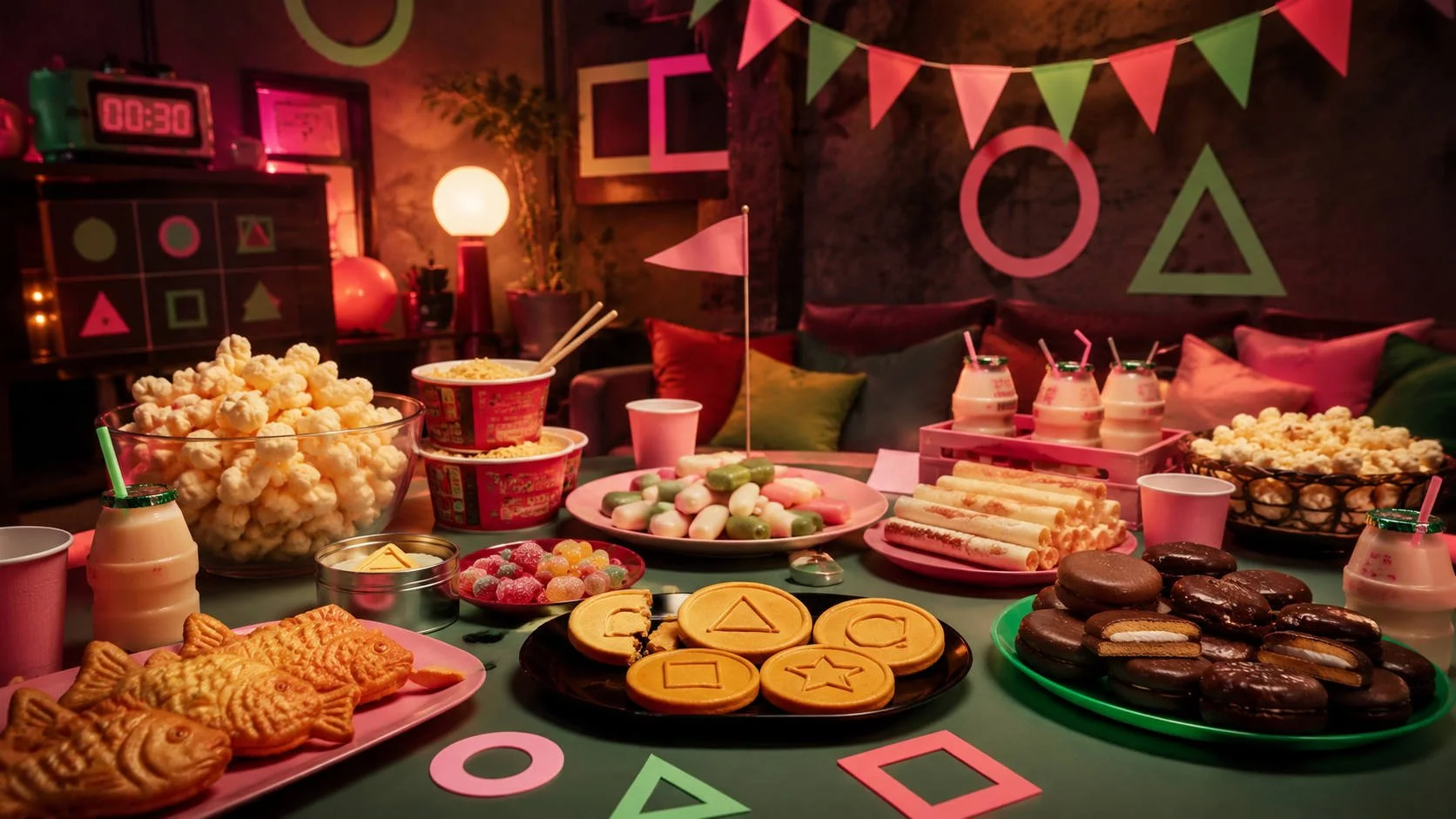
A Squid Game snack night is one of the rare party themes that can be cheap, fun, nostalgic, slightly chaotic, and not require you to purchase a 9-foot inflatable doll from an online store with the spelling accuracy of a ransom note.
The trick is not to recreate the show’s actual vibe too literally, because the show is about desperate people competing in children’s games for money under deadly conditions, which is a somewhat aggressive theme for people who just came over to eat rice cakes on your couch. Netflix describes Squid Game as a TV-MA thriller where cash-strapped players accept an invitation to compete in children’s games for a tempting prize with deadly stakes. So maybe do not make “crippling debt and televised murder” the party mood unless your friend group already has a very complicated group chat.
The smarter version is this: take the show’s visual nostalgia, especially the dalgona candy challenge, and build a snack table around Korean childhood treats and street-food classics. Cheap. Easy. Shareable. Dramatic enough for photos. Not so dramatic that someone has to explain to your landlord why there is chalk body-outline tape near the coffee table.
Why a Squid Game Snack Night Works So Well
Squid Game works as a party theme because its most memorable food moment is already a snack game. In the dalgona challenge, players receive a honeycomb sugar confection stamped with a shape—circle, triangle, star, or umbrella—and have to remove the shape without breaking it. Players get 10 minutes and a small needle, which is charming in a “children’s candy meets courtroom evidence” kind of way.
That is perfect party material. Dalgona is cheap, interactive, and tense enough to make grown adults sweat over melted sugar like they are defusing a pastry bomb. It also has real Korean childhood nostalgia baked into it. Netflix reported that the Squid Game honeycomb scene even used an on-set honeycomb candymaker, and actor Hoyeon Jung said the set smelled like honeycomb candy all day.
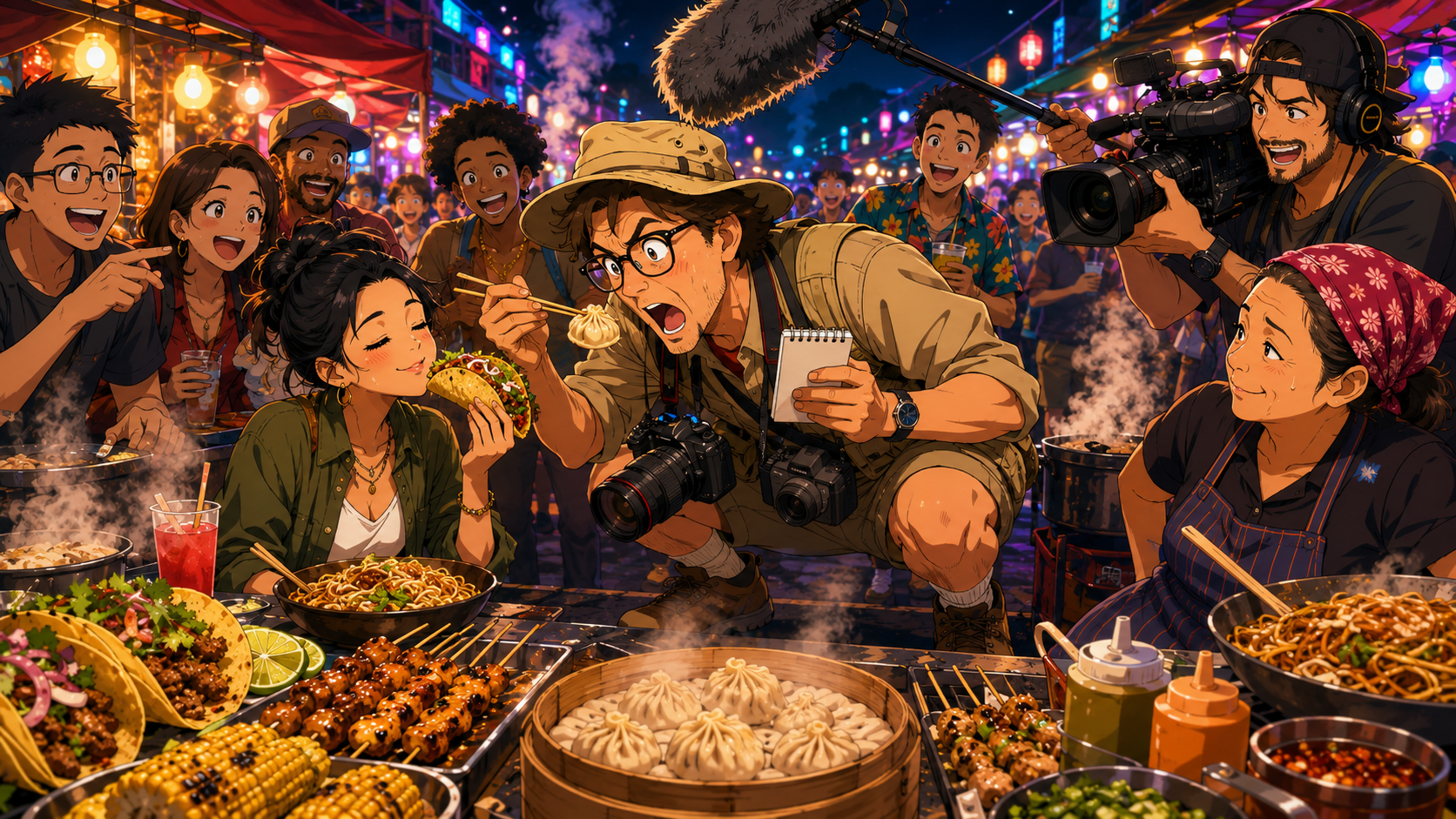
But dalgona alone is not dinner. It is caramelized anxiety. You need actual food around it, ideally Korean snacks that are cheap, nostalgic, and easy to serve: tteokbokki, gimbap, ramyeon, hotteok, fish cakes, banana milk, Pepero, shrimp chips, and maybe some Korean fried dumplings if you want your guests to believe you are a person with range.
The Cheap Squid Game Party Theme: Do Not Overdecorate Like a Maniac
You do not need a full set build. You are not Netflix. Your living room does not need production design; it needs snacks and maybe fewer laundry piles.
Use the show’s colors and shapes instead of buying themed plastic garbage. Think green, pink, black, white, and the famous circle-triangle-square symbols. Paper plates in those colors. A cheap black tablecloth. Printable shape cards. A scoreboard. A timer. Disposable gloves if you are making dalgona. Boom. Atmosphere achieved. No one needs a $47 “premium guard mask” made of sadness and polypropylene.
Make the snack table feel like a Korean school-stall and convenience-store mashup. VisitKorea describes bunsik—Korean snack/street food—as nostalgic, affordable food that many Koreans associate with school days, including tteokbokki and other quick bites. That is your theme. Nostalgia. Street snacks. Cheap joy. Not “I converted my apartment into a dystopian murder dorm using Amazon Prime and bad judgment.”
Dalgona Candy Challenge: The Star of the Squid Game Snack Night
Dalgona is the centerpiece. It is cheap because the ingredients are basically sugar, baking soda, and heat. Kimchimari describes dalgona, also called ppopgi, as Korean sponge candy or honeycomb toffee made with sugar, baking soda, and heat, and notes that it was a classic Korean street food from the 1960s and 1970s.
For a party, you have two options.
The lazy-but-sane option: buy pre-made dalgona candies online or at a Korean market. This costs more per piece, but your kitchen does not become a sugar-burn laboratory operated by amateurs.
The cheaper and more dramatic option: make them yourself. For each piece, melt about one tablespoon of sugar over medium-low heat, stir constantly, add a tiny pinch of baking soda once melted, stir fast, pour onto a greased surface, press flat, and stamp a shape before it hardens. Kimchimari’s method uses one tablespoon sugar, a pinch of baking soda, oil for the surface, a ladle or spoon, and a mold or cookie cutter.
Make these before guests arrive unless your party concept is “watch host panic over molten sugar while everyone pretends not to smell burning.” Hot sugar burns like punishment from a dessert god. Keep kids away from the cooking part. Let guests do the carving part.
Use toothpicks instead of needles unless you want the party to feel like a very low-budget medical experiment.
How to Run the Dalgona Game Without Becoming a Villain
Give everyone one dalgona cookie and one toothpick. Set a timer for five to ten minutes. Guests try to remove the stamped shape without cracking it. Winners get a prize. Losers get to keep eating candy, because this is a party and not a billionaire’s moral collapse.
Use easy, medium, and stupid-hard shapes:
Circle: for people who deserve hope.
Triangle: mildly annoying, like assembling IKEA furniture sober.
Star: advanced snack engineering.
Umbrella: for enemies, overconfident friends, and anyone who says “how hard can it be?”
Do not eliminate people. Do not shame people. Do not scream “red light” at guests while they are holding brittle sugar. The show’s death-game part should remain fictional, where it belongs, ideally behind a Netflix subscription and not near your kitchen island.
Tteokbokki: The Cheap Spicy Snack That Feeds Everyone
Your main hot dish should be tteokbokki, the spicy, chewy rice-cake dish that basically says, “What if pasta had attitude and wore gochujang?”
VisitKorea calls tteokbokki the “king of bunsik” and describes it as rice cakes, fish cakes, and leek stir-fried or boiled in sauce, commonly a sweet-spicy chili paste sauce reduced to a sticky texture. This is ideal party food because it can sit in a pot, feed a group, and make the room smell like you did more work than you did.
Cheap method: buy frozen or refrigerated rice cakes, a jar or tub of gochujang, fish cakes if available, and green onions. Add sugar, soy sauce, garlic, and water or broth. Simmer until the rice cakes are tender and the sauce gets glossy. Add boiled eggs if you want to look generous. Add cheese if your guests are spice cowards and need dairy armor.
Serve it in paper bowls with toothpicks or forks. It is sticky, red, and determined to ruin white clothing. Warn people, or don’t. Some lessons need sauce.
Gimbap: The Party Snack That Looks Like You Tried
Gimbap is perfect because it is portable, cheap, and photogenic without requiring you to plate things with tweezers like a haunted chef.
Team Canada’s Korean street-food guide explains that kimbap or gimbap resembles sushi but does not include raw fish; it is usually filled with vegetables like pickled radish, carrots, cucumbers, spinach, plus egg, ham, imitation crab, beef, or tuna, and often includes sesame seeds. Translation: it is snack-table gold.
Cheap version: buy pre-made gimbap from a Korean market. Slice it into bite-size pieces and pretend you are a hospitality genius. Slightly cheaper but more labor-intensive version: make triangle gimbap or mini rolls at home with seasoned rice, seaweed, pickled radish, tuna mayo, egg strips, cucumber, and spam or ham.
Gimbap is your mild dish. You need one mild dish because tteokbokki will be over in the corner behaving like a red sauce goblin.
Ramyeon Bar: The Broke Genius Move
A ramyeon bar is the easiest way to make the party feel Korean-convenience-store inspired without selling a kidney.
KBS World reported that Korean convenience stores have become global social media hotspots, with instant foods like ramen, gimbap, banana milk, and drink pouches becoming go-to snacks; one Seoul branch even drew attention with more than 220 types of ramen and self-cooking setups. You do not need 220 types. You need maybe four. Calm down, Noodle Costco.
Set out cup noodles or packets of Korean ramyeon, plus toppings:
Boiled eggs.
Sliced green onions.
Cheese slices.
Kimchi.
Seaweed flakes.
Dumplings.
Corn.
Hot dogs or fish cake slices if your crowd is into convenience-store chaos.
Guests pick a ramyeon, add toppings, and use a kettle or pot of hot water. This is cheap, interactive, and beautifully lazy. It also keeps people fed if you underestimate how fast tteokbokki disappears, which you will, because spicy rice cakes vanish from parties like rent money.
Hotteok: Sweet Pancakes for People Who Need Dessert Before Dessert
Hotteok is a sweet Korean pancake commonly filled with brown sugar, cinnamon, nuts, or seeds. Team Canada’s Korean street-food guide calls hotteok one of the most popular Korean street snacks, especially in winter, because of the hot brown sugar syrup inside.
For a cheap party, buy frozen hotteok from a Korean grocery store and pan-fry them. Do not make the dough from scratch unless you are the kind of person who finds “sticky dough management” relaxing, in which case congratulations on your strange inner life.
Cut each hotteok into quarters and serve with napkins. The filling is hot. Very hot. “I have regrets” hot. Warn people before they bite into molten cinnamon sugar and start speaking in tongues.
Fish Cakes and Broth: The Cozy Corner
Korean fish cakes, often called eomuk or odeng, are a classic street snack. Team Canada’s guide describes fish cakes as tasty treats often served on skewers with steaming broth, especially warming in winter.
For a party, buy frozen fish cake sheets or skewers, simmer them in a simple broth, and serve in cups. This is cheap, warm, and much classier than handing everyone lukewarm chips while pretending the dip is “artisanal.”
If fish cakes are hard to find, skip them. The party police will not burst through your door. They are busy investigating people who put raisins in potato salad.
Banana Milk: The Drink That Carries Childhood Energy
No Korean snack night feels complete without banana milk. Binggrae’s history page shows Banana Flavored Milk as one of its major long-running products and notes it was selected among Korea’s 20th-century national products in 1999; KBS also lists banana milk among the convenience-store foods that have become go-to snacks.
Set out banana milk cartons or bottles in a bucket of ice. It is cute, easy, and instantly thematic. For adults, you can also make banana milk iced coffee by mixing banana milk with iced coffee, a combination KBS identified as a popular convenience-store recipe.
This is the drink option for guests who want something more interesting than soda but less aggressive than soju. Also, if you serve soju, feed people properly. A snack night should not become a karaoke injury report.
Pepero and Korean Packaged Snacks: The Lazy Table Fillers
You need crunchy, packaged snacks because guests will graze like raccoons at a diplomatic reception.
Pepero is an easy choice. Korea.net says Lotte Confectionery first rolled out Pepero in 1983 and describes it as a long, thin chocolate-covered bread stick. Put a few boxes in cups like edible pencils. Guests will eat them absentmindedly while judging everyone else’s dalgona technique, as nature intended.
Other easy packaged snacks:
Shrimp chips.
Honey butter chips.
Choco pies.
Rice crackers.
Roasted seaweed packs.
Korean corn snacks.
Assorted gummies.
These require no cooking, no dignity sacrifice, and no one saying, “I saw a recipe online.” A blessing.
Cheap Squid Game Snack Night Menu for 8 People
Here is a sane menu that does not require a second mortgage or military logistics:
One large pot of tteokbokki.
Two or three rolls of gimbap, sliced.
Eight to twelve dalgona candies.
A ramyeon bar with four to six noodle packs or cups.
Frozen hotteok, cut into pieces.
A few boxes of Pepero.
One or two bags of Korean chips.
Banana milk or Korean pouch drinks.
That is enough. Do not turn this into a 19-course tasting menu called “The Childhood Trauma of Capitalism.” People are coming to snack, not submit to your dissertation.
Budget Shopping Strategy
Start at a Korean grocery store if you have one nearby. Buy frozen rice cakes, fish cakes, frozen hotteok, ramyeon, banana milk, seaweed, and packaged snacks. If you do not have a Korean grocery nearby, order shelf-stable snacks online and substitute the hot foods.
Budget substitutions:
Use regular instant noodles if Korean ramyeon is too expensive.
Use sushi-style roasted seaweed and rice to make simple gimbap.
Use mozzarella sticks or dumplings instead of fish cakes.
Use homemade popcorn tossed with sesame oil and seaweed flakes.
Use store-brand sugar for dalgona, because sugar does not need branding. It is sugar, not a luxury handbag.
The whole point is cheap abundance. A snack night should feel like a table full of fun, not like you hired a caterer who says “curated” too much.
Squid Game Party Games That Are Fun and Not Creepy
Use the childhood-game concept without the death-cult nonsense.
Dalgona carving: obvious winner.
Marbles: play a simple guessing or target game.
Paper ddakji: fold paper tiles and try to flip your opponent’s tile.
Red Light, Green Light: only if you have space and guests who will not sue you after slipping on a rug.
Shape lottery: guests draw circle, triangle, star, or umbrella cards for small prizes.
Snack ranking: everyone ranks the snacks from “would eat again” to “this tastes like a dare.”
Keep the stakes low. Prizes can be extra candy, first pick of ramyeon, a tiny trophy, or the right to make someone else attempt the umbrella dalgona. Cheap. Silly. No one has to confront the abyss.
Dress Code and Decor for the Cheap Party Theme
Tell guests to wear green tracksuits, pink, black, or anything with bold geometric shapes. No one needs a full costume unless they already own one, which is between them and their closet demons.
Decorate with:
Circle, triangle, square paper cutouts.
Green cups.
Pink napkins.
Number tags made from printer paper.
A countdown timer for games.
A “snack bank” scoreboard.
Candy shapes on the table.
The goal is recognizable, not theme-park immersive. If your decorations cost more than your snacks, you have misunderstood both budgeting and joy.
What Not to Do at a Squid Game Snack Night
Do not make it too dark. The show is brutal. The party should be fun. If someone leaves your apartment thinking, “great snacks, weird hostage energy,” you have failed.
Do not force people into costumes.
Do not make Korean food the joke. The joke is your guests collapsing under the pressure of a sugar cookie, not the culture the food comes from.
Do not serve only spicy food. Someone always thinks they can handle spice, then spends 20 minutes sweating like a fraudulent dragon.
Do not cook dalgona live unless you know what you are doing. Hot sugar is not playful. It is napalm with dessert branding.
Do not over-explain the show. If people have not watched Squid Game, just tell them: “Korean survival thriller, children’s games, deadly stakes, very famous, snacks are the fun part.” That is enough. No one needs a TED Talk while holding banana milk.
How to Make the Snack Night Feel More Authentic Without Being Pretentious
Authenticity here does not mean pretending your apartment is Seoul. It means using real snack references instead of slapping pink triangles onto pizza and calling it cultural fusion like a committee of exhausted marketers.
Use actual Korean snacks when possible. Learn the names: dalgona, tteokbokki, gimbap, hotteok, eomuk, ramyeon, banana milk. Put small labels on the table. Not because you are hosting a museum exhibit, but because people like knowing what they are eating before they point at it and say, “What is the red chewy thing attacking me?”
Include a tiny note that bunsik has school-day nostalgia in Korea. VisitKorea directly frames these foods as nostalgic street snacks tied to childhood and student life. That context makes the party better. Food with context tastes smarter. Still messy, but smarter.
The Best Timeline for Hosting
Two days before: buy snacks, drinks, and supplies. Make or order decorations. Fold ddakji if using.
One day before: make dalgona if you are brave and competent. Buy gimbap only if it will still be fresh, otherwise wait.
Party day: cook tteokbokki, prep toppings, chill banana milk, fry hotteok, set out packaged snacks, and arrange the dalgona challenge.
During party: serve hot foods first, then run the dalgona game, then let people drift into ramyeon and packaged snacks like the beautiful grazing creatures they are.
After party: throw away the decorations you made from paper and congratulate yourself for not buying $86 worth of themed plastic junk destined to spend eternity in a landfill wearing a triangle.
Korean Childhood Snacks Make the Best Cheap Squid Game Party Theme
A Squid Game snack night works because the best part of the theme is not the violence, the money, or the dystopian panic room of capitalism. It is the contrast: innocent childhood games and treats turned into high-stakes drama. For a party, you steal the innocence and the snacks, then politely leave the murder island where it belongs.
Build the night around dalgona, tteokbokki, gimbap, ramyeon, hotteok, fish cakes, banana milk, Pepero, and cheap Korean packaged snacks. Use circle-triangle-square decor. Run goofy low-stakes games. Let adults panic over brittle sugar. Feed everyone well enough that no one tries to convert the evening into a competition for dominance over the last hotteok.
The result is cheap, funny, nostalgic, snack-heavy, and easy to pull off.
Which is ideal, because the only thing worse than losing Squid Game is spending $300 on a party theme when sugar, rice cakes, and banana milk were sitting right there, quietly carrying the entire concept like tiny edible champions.