
Why Ina Garten’s Roast Chicken Is the Ultimate Lazy Meal-Prep Flex
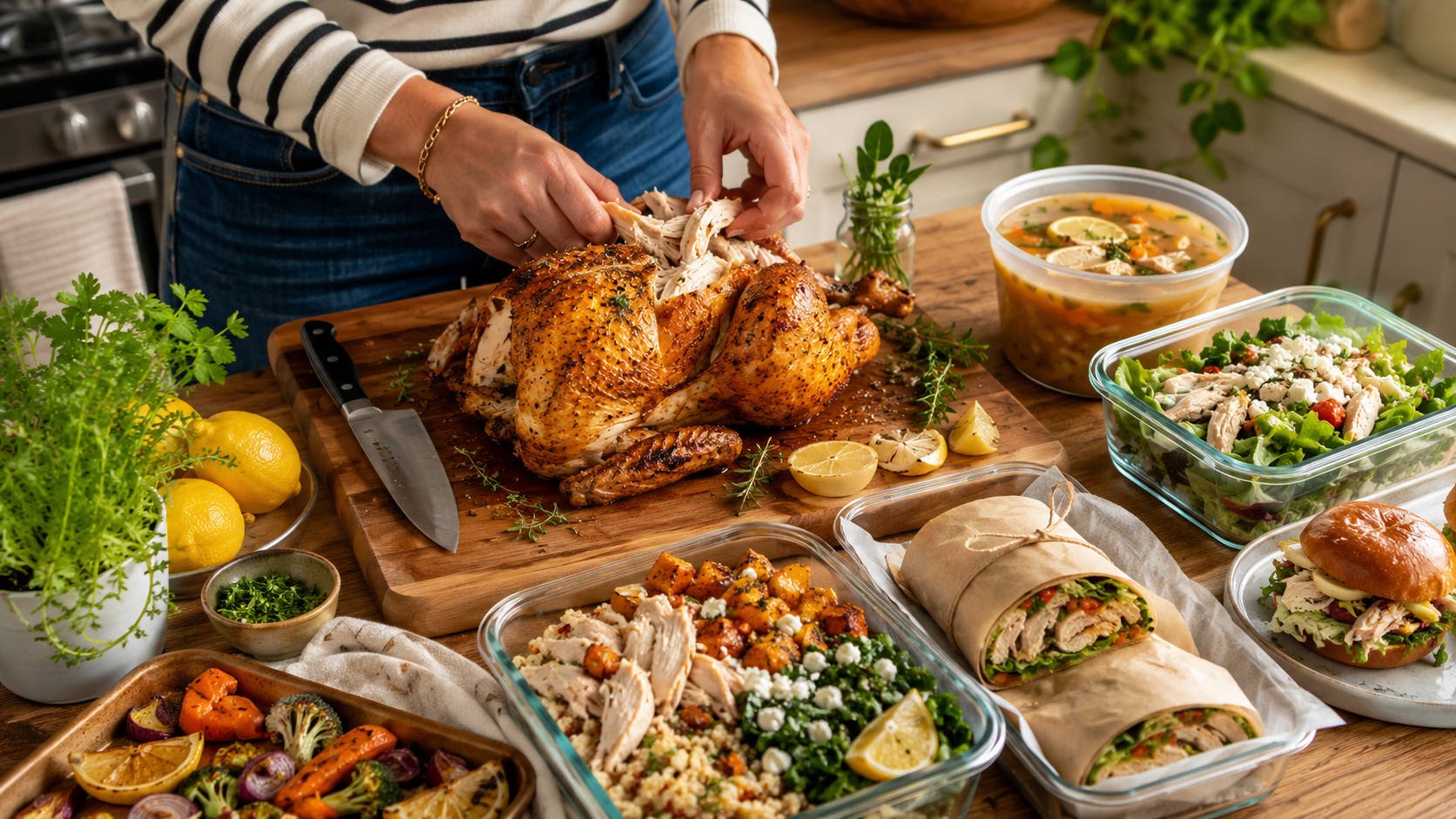
Ina Garten’s roast chicken is not just dinner. It is meal prep wearing pearl earrings. It is the culinary equivalent of looking calm while your life is held together with calendar alerts and one clean saucepan. Other meal prep says, “I spent Sunday portioning quinoa into identical containers like a joyless little squirrel.” Ina’s roast chicken says, “I roasted a bird, made gravy, fed people, and now tomorrow’s lunch is already handled.” Same practical outcome. Better lighting.
That is the genius. Ina Garten makes practical food look like hospitality instead of survival. Her famous Perfect Roast Chicken is not complicated: a 5- to 6-pound chicken, salt, pepper, thyme, lemon, garlic, melted butter, onion, stock, and flour for gravy. The chicken roasts at high heat, gets perfumed from the inside, browns on the outside, and leaves behind enough pan drippings to make sauce, which is basically the kitchen saying, “Congratulations, you did not waste the good part.”
And that is why this dish is the ultimate lazy meal-prep flex: it does not look like meal prep. It looks like dinner.
Ina Garten Roast Chicken Turns One Effort Into Several Meals
Most meal prep has the emotional range of a gym locker. Chicken breast, rice, broccoli, repeat until Thursday, when the broccoli smells like damp regret and you start googling takeout. Ina’s roast chicken avoids that trap because it gives you variety built into the bird.
You get crispy skin on night one. Tender breast meat for sandwiches. Dark meat for bowls, tacos, pasta, soup, or salads. Bones for stock if you are feeling virtuous, frugal, or merely unwilling to let a carcass go unemployed. Pan drippings become gravy. Roasted onions become flavor bombs. If you add carrots, potatoes, fennel, or other vegetables, dinner starts doing side-dish labor while you sit elsewhere pretending this was difficult.
This is meal prep for people who hate the phrase “meal prep,” which is most people with taste and a will to live.
The Lazy Part Is That the Oven Does the Work
The most fraudulent thing about roast chicken is how impressive it looks compared with the effort required. You season it, stuff it with aromatics, butter it, tie the legs if you are feeling emotionally available, and put it in the oven. Then heat does the heavy lifting, because heat is the only unpaid kitchen intern we can still legally exploit.
Ina’s recipe is especially good for this because it is built around simple, high-impact ingredients. Lemon, garlic, thyme, butter, onion, salt, pepper. Nobody is asking you to brine the bird for three days, grind spices under a full moon, or massage poultry while whispering affirmations into its wings.
The laziness is not neglect. It is efficiency. A bad lazy meal is cereal over the sink. A good lazy meal is roast chicken making the house smell like you own linen napkins and have never forgotten a dentist appointment.
Roast Chicken Meal Prep Does Not Feel Like Punishment Food
A lot of meal prep fails because it treats future-you like a prisoner who needs protein rations. Ina’s roast chicken treats future-you like a guest. That difference matters.
Cold roast chicken with mustard and good bread is lunch. Shredded roast chicken with rice, beans, salsa, and avocado is a bowl. Chicken with noodles and broth is soup. Chicken salad with celery, herbs, lemon, and mayo is not “leftovers”; it is lunch with a small trust fund. Tossed into pasta with peas, Parmesan, and a little reserved gravy, it becomes dinner again, now wearing a fake mustache.
This is the core Ina lesson: food should be easy, but it should not look like you have surrendered to the container-industrial complex.
Gravy Is the Difference Between Leftovers and a Second Dinner
Ina’s roast chicken includes a pan gravy made from stock, reserved chicken fat, flour, and those browned bits from the roasting pan. This matters because sauce is how leftovers get promoted from “again?” to “oh, actually yes.”
Dry leftover chicken is sad. Leftover chicken with gravy is dinner. Leftover chicken with gravy over mashed potatoes is a reason to keep going. Leftover chicken with gravy on toast is basically open-faced dignity. The gravy is not optional emotional garnish. It is the insurance policy.
This is where lazy cooks often fail. They roast the chicken, throw away the pan drippings, and then complain that leftovers are boring. My friend, you poured dinner’s personality into the sink.
Ina’s “Store-Bought Is Fine” Philosophy Saves the Flex
Ina’s whole appeal is that she makes tasteful shortcuts feel civilized. The famous “store-bought is fine” ethos is not an invitation to microwave despair and call it entertaining. It is permission to know where effort matters and where it does not. Recent coverage of her store-bought advice notes that she accepts good-quality shortcuts for some ingredients, while still drawing lines around flavor, like preferring fresh citrus juice over bottled.
Applied to roast chicken meal prep, this means you do not have to make everything from scratch. Use store-bought stock if homemade stock is not happening because you have a life. Use bagged salad. Use good bread. Use frozen peas. Use prewashed greens. Use rotisserie chicken in emergencies, although yes, this article is about roasting one yourself, please stay with the group.
The flex is not “I made every component by hand.” The flex is “I made one excellent anchor dish and used smart shortcuts around it.”
Whole Chicken Is Budget Food With Better PR
A whole roast chicken feels more luxurious than it is. That is its little con.
Chicken pieces in a plastic tray look like ingredients. A whole roast chicken looks like a meal. Put it on a platter and suddenly the same bird has become an event. Add roasted vegetables and gravy and everyone starts acting like you planned something, when in reality you threw aromatics into a cavity and let the oven run a poultry seminar.
The budget logic is strong because one chicken can stretch. First meal: carved chicken with vegetables. Second meal: sandwiches or salad. Third meal: soup or rice bowls. Bones: stock, if you are brave enough to place a container labeled “future soup” in your freezer and actually use it before 2029.
This is how restaurants think: one product, multiple uses. Home cooks should steal this shamelessly.
Ina Garten’s Roast Chicken Is a Hosting Trick Disguised as Meal Prep
The phrase “meal prep” sounds like something you do while wearing sneakers and a grim expression. Ina makes it sound like hosting. That is why it works.
A roast chicken can feed guests without making you perform culinary theater. You can roast it before people arrive. You can serve it with salad, bread, potatoes, green beans, rice, or whatever side dish is least likely to emotionally collapse. You can carve it at the table if you enjoy attention or carve it in the kitchen if you prefer not to reveal your knife skills are mostly vibes.
Either way, it says: dinner is done, I am not panicking, and the kitchen smells like competence.
The Safe Leftover Window Is Not Forever, Tragically
Roast chicken meal prep only works if you store it like someone who respects both flavor and gastrointestinal peace. USDA food-safety guidance says leftovers can be kept in the refrigerator for 3 to 4 days or frozen for 3 to 4 months, though frozen leftovers may lose quality over time. Cooked chicken leftovers are also listed at 3 to 4 days in the refrigerator.
So do not let the chicken sit around all week while you tell yourself it is “probably fine.” That is not frugality. That is poultry roulette.
Carve the leftover meat off the bones within a reasonable time, store it in shallow airtight containers, and label it if your fridge is where good intentions go to mummify. Freeze what you will not eat within a few days. Make stock soon or freeze the bones. Yes, freezing bones in a bag looks vaguely suspicious. That is the price of being thrifty and dramatic.
The Lazy Meal-Prep Timeline
Night one: roast chicken, vegetables, gravy, maybe potatoes or bread. Eat the crispy skin immediately, because leftover chicken skin is a tragedy that no reheating method fully redeems.
Day two: chicken sandwiches with mustard, mayo, lettuce, pickles, or whatever crunchy thing can rescue lunch from sadness. Add fruit or chips if you are a person with joy.
Day three: chicken bowls. Rice, beans, chicken, salsa, avocado, cabbage, hot sauce. The chicken is no longer “leftover roast chicken.” It is “protein,” which is what we call food when we want it to sound productive.
Day four: soup, chicken salad, pasta, quesadillas, pot pie, fried rice, or freezer. Do not push your luck just because Ina made it look wholesome.
This is meal prep without the identical-container dictatorship.
The Best Leftover Roast Chicken Ideas
Turn the breast meat into chicken salad with lemon, herbs, celery, and mayo or yogurt. Add toasted nuts if you want it to seem like you meant to be fancy.
Use dark meat in tacos with pickled onions, cabbage, lime, and hot sauce. Dark meat knows how to party. Breast meat is more likely to ask what time everyone is leaving.
Make chicken soup with stock, noodles, carrots, and whatever greens are still pretending to be fresh.
Toss chicken into pasta with peas, Parmesan, black pepper, and a spoonful of gravy or stock. Pasta is where leftovers go to receive a second chance.
Make a grain bowl with farro, rice, quinoa, or couscous, then add chicken, roasted vegetables, herbs, lemon, and vinaigrette.
Make a fake fancy toast: good bread, warm chicken, gravy, arugula, and black pepper. This is the kind of lunch that says, “I work from home and own at least one bowl I like.”
Why Ina’s Version Beats Basic Roast Chicken
The difference is not that Ina discovered chicken. People have been roasting birds since shortly after humanity realized fire could do more than frighten animals and ruin eyebrows.
The difference is the structure. Aromatics inside the chicken. Butter outside. Salt and pepper everywhere. Onion in the pan. Gravy after. It is simple, but it has a beginning, middle, and sauce. That is why it feels complete.
A basic roast chicken can be good. Ina’s roast chicken has a little social confidence. It knows it might be served to Jeffrey. It is not showing up unseasoned and hoping everyone is too polite to notice.
The Ultimate Lazy Flex Is That It Looks Generous
A roast chicken on a platter does something a plastic meal-prep container cannot: it looks generous.
Meal prep often feels like withholding. Roast chicken feels like abundance. Even if the grocery math is sensible, the visual says feast. A browned bird, lemon, garlic, onions, vegetables, gravy. Suddenly your budget protein has been promoted to dinner-party executive.
That is the Ina magic. She does not make practicality look like sacrifice. She makes practicality look like hospitality.
The chicken is doing the same job as Sunday meal prep, but instead of looking like a spreadsheet with broccoli, it looks like someone might pour wine and ask about your week.
The Mistakes That Ruin the Lazy Flex
Do not under-season the chicken. A whole bird is not a delicate little salad leaf. It needs salt. It needs pepper. It needs commitment.
Do not skip drying the skin. Wet skin browns badly, and pale roast chicken looks like it has been avoiding sunlight and responsibility.
Do not throw away the drippings. We covered this. The pan is holding flavor. Stop acting like flavor is clutter.
Do not leave the leftovers whole in the fridge like a carcass centerpiece. Carve the meat, store it cleanly, and move on with your life.
Do not meal-prep every leftover into the same format. If every lunch is sliced chicken over greens, by Wednesday you will be emotionally vulnerable to a drive-thru.
What Ina Garten’s Roast Chicken Really Teaches About Meal Prep
Ina’s roast chicken teaches that meal prep does not need to announce itself like a productivity cult. It can be quiet. It can be beautiful. It can be one excellent dinner that throws off two or three more meals without making you feel like you spent Sunday working for your refrigerator.
It teaches that laziness is not the enemy. Bad laziness is the enemy. Good laziness is strategy. Good laziness puts a chicken in the oven and lets heat, garlic, lemon, butter, and time do the annoying work.
It teaches that leftovers are not a downgrade if you give them sauce, acid, crunch, and a new outfit.
It teaches that a whole chicken is one of the rare foods that can be dinner, lunch, soup, stock, and evidence that you briefly had your life together.
Roast Chicken Is Meal Prep With Better Branding
Ina Garten’s roast chicken is the ultimate lazy meal-prep flex because it delivers the fantasy of effort without demanding the full emotional payment. You season a bird, roast it, make gravy, and suddenly you have dinner, leftovers, soup potential, sandwich potential, and the smug glow of someone who did not spend the week eating identical containers of dry chicken breast like a fitness monk trapped in a spreadsheet.
It is elegant enough for guests, practical enough for Tuesday, and forgiving enough for people whose meal-planning system is mostly “what’s in the fridge and why is it wet?”
That is why it endures. Not because roast chicken is revolutionary. Because Ina understands the central truth of home cooking: the best meals make you look more organized than you are.
And if one chicken can feed you tonight, rescue tomorrow’s lunch, become soup by Thursday, and make your kitchen smell like you have a guest room with fresh towels, then yes, that is a flex.
A brilliant one.
A roast chicken in a cashmere sweater.