Why DoorDash Makes Cheap Food Expensive
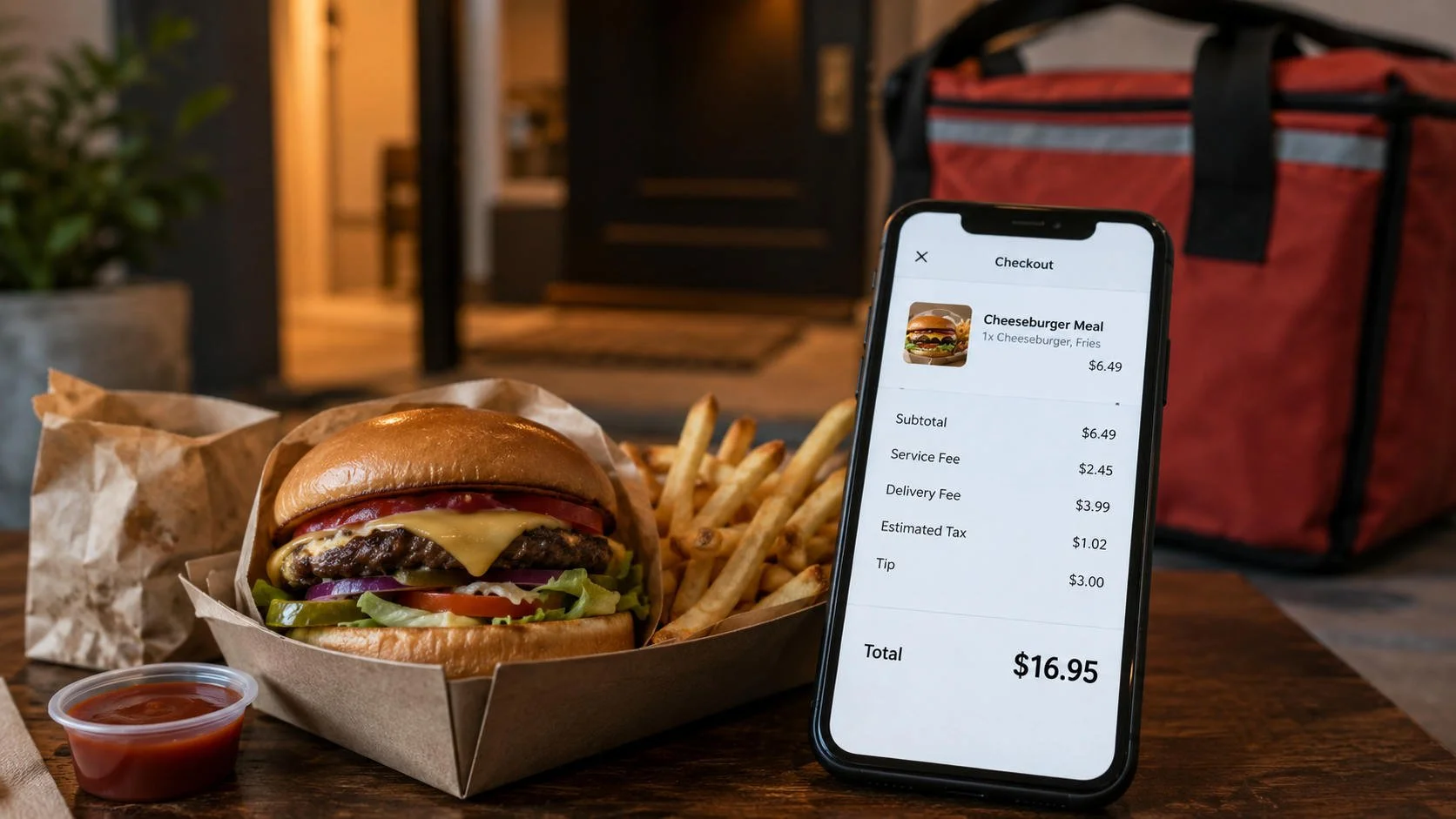
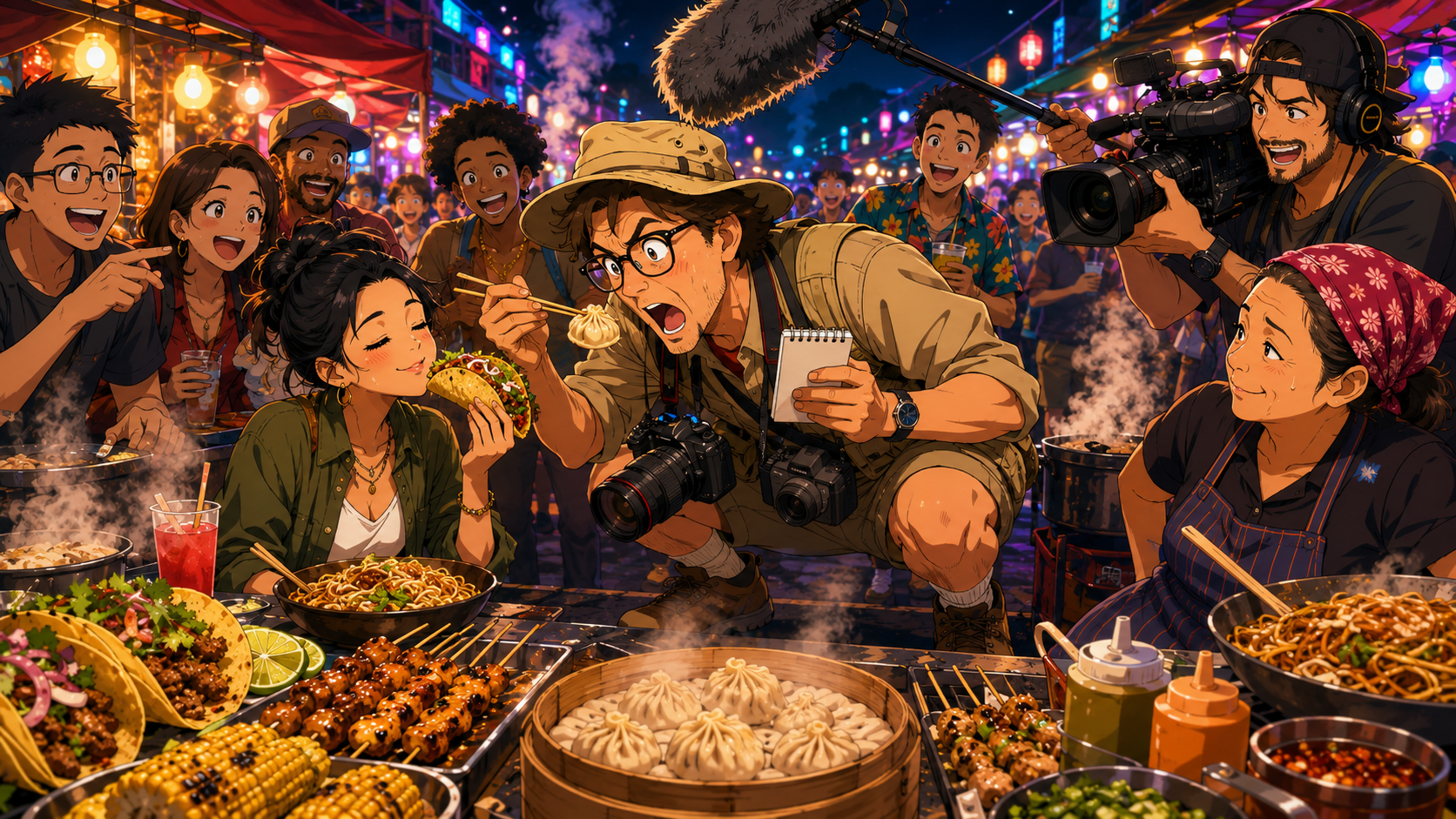
DoorDash is a miracle app if your definition of miracle is “turning a $9 burrito into a $23 financial confession.” It takes cheap food — the noble little burger, the humble taco, the modest bowl of noodles — and escorts it through a carnival funhouse of delivery fees, service fees, small-order fees, menu markups, taxes, tips, regulatory fees, and whatever emotional surcharge applies when you are ordering mozzarella sticks from the couch like a raccoon with Wi-Fi.
The food starts cheap. That is important. It begins life as something normal. Then DoorDash gets involved, and suddenly your $11 lunch has gone through more add-ons than a budget airline ticket with abandonment issues.
The result is not mysterious. DoorDash makes cheap food expensive because cheap food was never built to survive delivery economics. A $9 combo meal has no room to absorb a driver, an app platform, restaurant commissions, packaging, credit card processing, demand pricing, and your tip. It is a sandwich, not a sovereign wealth fund.
DoorDash Fees Turn a Meal Into a Receipt With Side Quests
DoorDash itself says customers may pay a service fee, delivery fee, small-order fee, long-distance or expanded-range fee, express fee, regulatory response fee, and other mandatory fees depending on the order and location. The company says service fees help operate the platform, delivery fees help cover getting the order to the customer, and small-order fees may apply when the subtotal is below a certain amount.
That is the basic problem. Cheap food is cheap because the item itself costs less. But many delivery fees do not care that your burrito has humble dreams. A flat fee hits a small order harder than a big order. Add $5 in fees to a $50 sushi order and it is annoying. Add $5 in fees to a $9 fast-food order and suddenly your fries are applying for a mortgage.
This is how DoorDash performs its great magic trick: the app does not necessarily make the burger fancy. It makes the transaction expensive. Very different art form.
The Small Order Fee Is Where Cheap Food Goes to Be Punished
The small-order fee is especially insulting because it exists precisely where cheap food lives. DoorDash says a small-order fee may apply when an order subtotal falls below a certain amount, and that the fee goes to DoorDash to make small transactions worthwhile to fulfill.
In plain English: “Your order is too cheap, so we made it less cheap.”
Beautiful. Perfect. A little economic slap on the wrist for daring to order one meal instead of assembling a group feast like you are feeding a youth soccer team trapped in an elevator.
This is why one person ordering inexpensive food gets destroyed. The app wants the economics of a bigger basket, but you just wanted a chicken sandwich. The system responds by treating your modest lunch like a logistical inconvenience with sauce.
Restaurants Often Raise Delivery Menu Prices Because Commissions Exist
DoorDash is not just charging you. It also charges restaurants.
DoorDash’s merchant pricing materials say restaurants can choose delivery commission plans of 15%, 25%, or 30%, depending on the plan and benefits, with pickup commission listed at 6% on those plans. That matters because restaurants already run on thin margins, and if an app takes a meaningful cut of each delivery order, the restaurant has three basic options: absorb the hit, raise prices, or stare into the walk-in cooler until enlightenment arrives.
Guess which one happens a lot.
DoorDash says restaurants make their own delivery menu pricing decisions and that it does not require delivery prices to match in-store prices. DoorDash also says it encourages prices as close to in-store as possible because menu markups can hurt conversion and retention.
That is corporate poetry for: restaurants are allowed to mark up prices, customers hate it, and everybody knows the math is ugly.
The Menu Markup Is the Sneaky Part
The app fee is visible. The delivery fee is visible. The tip is visible. But menu markup can hide in plain sight because most people do not compare every DoorDash item against the restaurant’s own website like a forensic accountant with nacho cravings.
Consumer Reports found this problem years ago: in a comparison of app prices against restaurant website prices, 14 of 46 items were higher in the app, 25 were the same, and 7 were lower. The report noted that some price differences may come from restaurants trying to offset commissions charged by delivery services.
DoorDash even has merchant-facing material explaining how “menu markup rates” are calculated by comparing DoorDash item prices with in-store item prices. Its example shows a 20.8% markup rate when DoorDash prices are higher than in-store prices.
So yes, the $12 burger may already be more expensive before the delivery fee even arrives wearing a tiny cape and demanding attention.
The Tip Is Not Optional, Unless You Enjoy Being a Villain
Then there is the driver tip, which is not technically a DoorDash fee but is absolutely part of the real cost of ordering DoorDash. DoorDash says Dasher pay includes base pay, promotions, and tips; base pay ranges from $2 to $10+ per offer when Dashers earn per offer, and 100% of customer tips go to the Dasher on top of base pay and promotions.
That means your cheap food has now become a labor transaction. Someone is driving to the restaurant, waiting, picking up your order, bringing it to you, finding your apartment, battling your building’s keypad, and possibly discovering that your delivery instructions were written by a haunted GPS.
So yes, you tip. Of course you tip. The driver is not a teleportation fairy paid in exposure and lukewarm fries.
But once you add the tip, the cheap-food fantasy collapses completely. The $8 meal becomes $8 plus markup plus delivery fee plus service fee plus tax plus tip, at which point you are not buying fast food. You are funding a small expedition.
Studies Keep Finding the Same Depressing Thing
FinanceBuzz updated its food delivery app comparison in May 2026 and found that, including tip, DoorDash orders carried an average markup of 83% over regular menu price among the apps and chain meals it studied. The same analysis found that a Chipotle meal costing $19.62 in person cost $28.33 on DoorDash before tip, meaning customers paid 44% more just to have lunch brought to them.
FinanceBuzz’s methodology was simple enough to be annoying: it compared delivery costs for meals from 10 popular chains across delivery apps, with orders placed in the same city, delivered to the same location, and restaurants within three miles of the delivery point.
In other words, this is not just one guy online screaming because his tacos became a luxury asset. The pattern is real: delivery food costs more because every part of the transaction gets a little nibble.
Cheap Food Is the Worst Candidate for Delivery
Cheap food works best when you remove friction. Walk in. Order. Pay. Eat. Leave. Minimal drama. Minimal logistics. No driver. No app. No platform. No tip screen staring at you like a moral judge in landscape mode.
DoorDash adds friction back in, then charges you for it.
This is why a $50 dinner can sometimes feel more “worth it” on DoorDash than a $10 meal. The fees spread out better. The delivery labor is the same basic task whether the bag contains one sandwich or three entrées. But the smaller the subtotal, the more ridiculous the fees look.
A cheap meal on DoorDash is like putting economy tires on a limousine. The vehicle around the meal costs more than the meal itself.
Delivery Is Convenience, Not a Discount Program
DoorDash’s entire value proposition is convenience. You tap. Food appears. Your pants remain theoretical. That is the product.
Reuters reported in May 2026 that demand for DoorDash has remained strong as consumers continue to prioritize convenience, including for non-essential items. DoorDash also forecast second-quarter marketplace gross order value above analyst expectations.
That is the part people hate admitting. DoorDash is expensive because people keep proving they will pay for it. The app does not need to make cheap food stay cheap. It needs to make laziness frictionless enough that you hit checkout before your financially responsible self wakes up from its nap.
Convenience is not free. It just used to be called “walking.”
Regulatory Fees Can Add Another Little Goblin to the Bill
In some cities, the cost gets even weirder. DoorDash says it may charge a regulatory response fee when local or state regulations increase operating costs, such as temporary caps on restaurant fees.
Seattle offers a vivid little nightmare diorama. Eater Seattle reported in 2025 that DoorDash called Seattle the most expensive delivery market in the country after local regulations increased operating costs. In one example, a $9.80 burger-and-shake order from a restaurant 400 feet away came with $9.93 in delivery, additional fees, and estimated tax, including a $4.99 Seattle regulatory response fee.
Four hundred feet. That is not delivery. That is a cry for help with a tracking map.
DashPass Helps, But It Is Not a Magical Coupon Unicorn
DashPass can reduce some costs for frequent users because DoorDash says DashPass members get $0 delivery fees and reduced service fees on eligible orders.
But “eligible” is doing a lot of work there, like a tired paralegal. DashPass does not erase every cost. It does not necessarily remove menu markups. It does not remove tips. It does not stop you from ordering one tiny meal below a threshold like a chaos gremlin with a debit card.
DashPass can make sense if you order frequently enough and choose eligible restaurants carefully. But if you subscribe and then order more often because “delivery is basically free now,” congratulations, you have discovered the gym membership model, but with fries.
DoorDash Makes the Final Price Feel Like It Arrived in Pieces
One reason DoorDash feels so expensive is psychological. The app breaks the cost into stages.
First you see the menu item. That looks fine. Then the subtotal grows. Then the fees appear. Then taxes. Then tip. Then maybe a discount gets applied, giving you the emotional high of saving $4 on an order that is still $11 more than pickup. A beautiful little shell game, but with Pad Thai.
DoorDash says it shows customers what they will pay, including fees, before checkout, and says there are no hidden fees or surprises at checkout. That may be true in the narrow sense that the total appears before you press the final button. But by then you have already smelled the imaginary fries in your mind and surrendered your adult judgment to the delivery gods.
The trap is not that you never see the number. The trap is that you see it too late emotionally.
Why Restaurants Are Not Always the Bad Guy
It is tempting to blame restaurants for app markups, but that is too simple, which means the internet will love it.
Restaurants may raise delivery prices because third-party delivery commissions, packaging, labor, and order errors all cost money. DoorDash’s own pricing structure shows restaurants may pay delivery commissions up to 30% depending on their plan.
A restaurant selling a $12 sandwich through a delivery app may not actually get $12 in the way a customer imagines. The restaurant still pays for ingredients, staff, rent, utilities, packaging, and whatever new calamity the ice machine is performing. Then the platform takes a commission. Then the customer complains the sandwich is expensive.
Everyone is mad. Everyone has a point. The sandwich is just sitting there, wrapped in paper, wondering why capitalism has chosen it as the battlefield.
Why DoorDash Is Worst for “Just One Thing”
The absolute dumbest DoorDash order is “just one thing.” One smoothie. One burger. One coffee. One cookie. One side of fries ordered by someone who has abandoned reason and embraced luxury sadness.
The delivery task still exists. The driver still has to go there. The platform still processes the order. The restaurant still packages it. The app still charges fees. But there is not enough food value to make those fixed costs feel normal.
This is how a cheap item becomes absurd. A $5 coffee on DoorDash is not a $5 coffee. It is a $5 coffee wearing a $13 backpack full of fees, tip, and regret.
How to Use DoorDash Without Getting Financially Mugged by a Burrito
The best way to keep cheap food cheap is to pick it up yourself. Horrible, I know. Movement. Pants. Weather. Other humans. Medieval conditions.
Compare prices against the restaurant’s own website before ordering. DoorDash prices can differ from in-store or direct-order prices, and DoorDash says restaurants make their own delivery menu pricing decisions.
Avoid tiny orders. Small-order fees exist because DoorDash says small transactions may need to be made worthwhile to fulfill. Group orders, order leftovers, or choose pickup if you only want one item.
Use DashPass only if the math actually works. Reduced delivery and service fees on eligible orders are useful, but they are not a license to turn every craving into a courier event.
And tip properly. Cutting the driver’s tip is not “beating the system.” It is just making the one human being in the transaction absorb your budget panic. DoorDash says 100% of customer tips go to Dashers on top of base pay and promotions.
The Real Reason DoorDash Makes Cheap Food Expensive
DoorDash makes cheap food expensive because it inserts an expensive service into a cheap-food transaction. That is the whole thing. The app is not merely selling food. It is selling transportation, coordination, payment processing, discovery, convenience, labor, customer support, and the soothing fantasy that dinner can arrive without you standing up.
Cheap food is cheap at the counter. It is not cheap when it has to be located, ordered, packaged, assigned to a driver, driven across town, delivered to your door, supported by an app platform, and socially stabilized with a tip.
So yes, DoorDash can make sense. It is useful when you are sick, busy, exhausted, hosting, traveling, unable to leave, or simply willing to pay for convenience. No moral panic required. Sometimes paying extra to avoid the outside world is the correct adult decision.
But let us stop pretending the app is a bargain machine. DoorDash is not where cheap food stays cheap. DoorDash is where cheap food puts on a little tuxedo made of fees and becomes expensive.
The burrito did not betray you.
You summoned a logistics company to move it six blocks.