
Why Aldi Is Quietly Great for Cheap Protein
Aldi does not look like a place where protein dreams happen. It looks like a grocery store designed by a German accountant who believes ambience is what happens when the lights turn on. There is no thunderous wall of fitness branding. No shirtless man named Blaze pointing at a tub of whey. No freezer aisle whispering, “Become a warrior,” while charging $11.99 for six chicken nuggets in tactical packaging.
And yet, Aldi is quietly one of the best places to buy cheap protein.
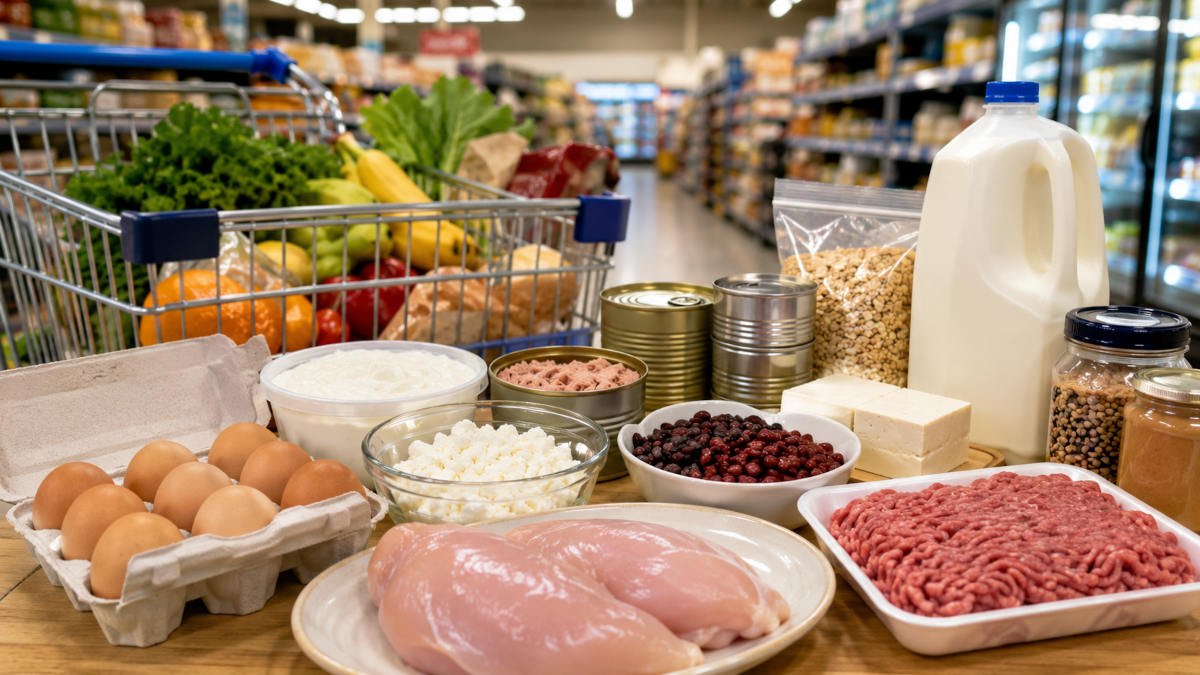
Not glamorous protein. Not influencer protein. Not “this bar tastes like birthday cake if your birthday was held in a drywall factory” protein. Actual useful protein: eggs, chicken, Greek yogurt, cottage cheese, tuna, beans, tofu, ground turkey, deli meat, frozen fish, protein bars, and enough discount poultry to make your meal prep container feel like it has a retirement plan.
The genius is that Aldi does not make protein shopping feel like a wellness seminar hosted in a warehouse. It just puts the stuff on shelves, prices it aggressively, and lets you leave before the lighting steals your will to live.
Aldi Wins Because It Makes Cheap Protein Boring
Cheap protein is not supposed to be exciting. Exciting protein usually means someone has added chocolate coating, a neon label, and the phrase “MAXX” because apparently regular spelling was holding back muscle growth.
Aldi’s real strength is boring protein. The everyday stuff. The food you can actually build meals around without needing a motivational podcast or a line of credit.
At the time of research, Aldi’s own site listed examples like Goldhen Grade A Large Eggs at $1.65 per dozen, Friendly Farms Nonfat Plain Greek Yogurt at $3.09 for 32 ounces, Friendly Farms Regular Cottage Cheese at $3.15 for 24 ounces, Kirkwood Family Pack Chicken Breasts at $2.19 per pound, Kirkwood Family Pack Chicken Drumsticks at $0.99 per pound, Northern Catch Chunk Light Tuna in Water at $1.05 for a 5-ounce can, Dakota’s Pride Black Beans at $0.95 per can, and Earth Grown Extra Firm Organic Tofu at $1.75 for 14 ounces. Prices vary by location and date, because groceries now behave like airline tickets with cholesterol.
That is the whole magic trick. Aldi does not ask you to “optimize your macros” while a bottle of protein coffee screams at you in sans serif. It simply makes the obvious protein staples cheaper enough that you can buy them without whispering an apology to your checking account.
The Private-Label Machine Is the Protein Cheat Code
Aldi keeps prices low partly because it is basically one giant private-label machine with freezer doors. More than 90% of Aldi products are private label, and the company has been rolling out a major packaging refresh to put the Aldi name more visibly on those products. Aldi also says its simplicity-and-efficiency operating model helps it offer the lowest prices of any national grocer, which is a very German way of saying, “We removed the nonsense and passed the savings to your egg budget.”
This matters for protein because name-brand protein products are where grocery stores often go to conduct legalized wallet dentistry. Branded Greek yogurt, branded deli turkey, branded bars, branded shakes, branded frozen chicken—each one arrives wearing a tiny price premium like it personally invented amino acids.
Aldi’s private-label system cuts through that pageant. You may not recognize the brand at first, because the brand sounds like a farm from a children’s book or a law firm for chickens. Friendly Farms. Kirkwood. Goldhen. Northern Catch. Earth Grown. Happy Farms. It’s like grocery shopping inside a pastoral witness protection program.
But the result is simple: the store-brand version is often the point, not the compromise.
Eggs Are Still the Cheap Protein Workhorse
Eggs are Aldi protein royalty because they do everything. Breakfast? Eggs. Lunch? Eggs. Dinner? Eggs pretending to be fancy because you added hot sauce. Emergency meal? Eggs. “I have no money but still want to behave like a mammal with nutritional needs”? Eggs.
Aldi’s Goldhen eggs are the kind of protein staple that makes sense even if your cooking skills peaked at “pan, heat, hope.” Scramble them. Boil them. Fry them. Put them on toast. Put them in rice. Make egg salad and pretend you are not eating spoonable nostalgia from a bowl.
Eggs are not the highest-protein food on earth, despite what gym people say while emotionally overcommitting to breakfast, but they are affordable, versatile, and easy. That combination matters more than some hyper-optimized protein source that requires a shaker bottle, a promo code, and the self-respect of someone who says “fuel” instead of “food.”
Greek Yogurt Is the Aldi Protein Tub That Actually Pulls Its Weight
Greek yogurt at Aldi is one of the easiest wins in the store. A 32-ounce tub of plain Greek yogurt is basically a protein Swiss Army knife, except wetter and more judgmental-looking.
You can eat it with fruit. Use it as a sour cream replacement. Stir it into oats. Blend it into smoothies. Turn it into a dip. Add ranch seasoning if you want to cosplay as a responsible adult at a football party. Mix it with peanut butter and pretend dessert has become disciplined.
Aldi lists Friendly Farms Nonfat Plain Greek Yogurt at $3.09 for 32 ounces, which makes it one of those rare grocery purchases that feels like the store forgot to add the “wellness tax.”
The smart move is plain yogurt, because flavored yogurts can quietly become pudding in athleisure. They still may have protein, sure, but they also often bring sugar along like an uninvited cousin with a Bluetooth speaker. Buy plain, add fruit or honey yourself, and stop letting a tiny plastic cup decide your financial destiny.
Cottage Cheese Is Back, Unfortunately for Everyone’s Childhood Trauma
Cottage cheese used to be the official food of diet culture sadness, eaten by people named Linda beside a canned peach half under fluorescent lighting. Then TikTok discovered it, blended it, baked it, whipped it, and generally treated it like a dairy shapeshifter with content potential.
Aldi benefits from this because cottage cheese is legitimately useful cheap protein. The Friendly Farms version was listed at $3.15 for a 24-ounce tub, and Aldi’s product pages show it as a regular dairy staple.
The trick is to stop thinking of cottage cheese as a punishment from 1987. Use it like an ingredient. Put it in eggs. Blend it into sauces. Add it to toast. Eat it with berries. Use it in pancakes. Turn it into dip. Or stand in front of the fridge and eat it with a spoon like a raccoon who discovered casein. No judgment. Well, some judgment. But not enough to stop you.
Chicken Is Where Aldi Gets Serious
Aldi chicken is where the cheap-protein conversation stops wearing a Fitbit and starts doing math.
The store’s meat section includes poultry, beef, pork, fish, shellfish, turkey, plant-based meat, and more; Aldi describes its meat and seafood department as offering fresh beef, fish, poultry, and pork at affordable prices.
The best budget move is not always boneless skinless chicken breast, the official protein of people who own too many matching meal prep containers. Sometimes it is drumsticks, thighs, or family packs. Aldi’s online listings showed family pack chicken breasts at $2.19 per pound and family pack chicken drumsticks at $0.99 per pound during research, which is the kind of pricing that makes a freezer look less like an appliance and more like a survival strategy.
Chicken breasts are lean, easy, and boring enough to be trusted. Drumsticks are cheaper, more flavorful, and require you to admit bones exist. Ground turkey is convenient for tacos, bowls, chili, pasta, and “I need dinner in twelve minutes before I start eating shredded cheese like trail mix.”
Useful tip: buy family packs, portion them immediately, and freeze what you will not cook in two days. Do not place five pounds of chicken in your fridge with vague intentions. That is not meal planning. That is poultry gambling.
Tuna Is Emergency Protein for People Who Forgot to Cook
Canned tuna is not glamorous. It is not supposed to be. Tuna is what happens when protein says, “I can live in your pantry until you get your life together.”
Aldi’s Northern Catch Chunk Light Tuna in Water was listed at $1.05 for a 5-ounce can. That makes it perfect for lazy lunches, rice bowls, tuna melts, salads, wraps, crackers, and the classic “I guess this is dinner now” bowl over the sink.
Tuna is cheap, shelf-stable, and fast. That is the holy trinity of weekday survival. Add Greek yogurt instead of mayo if you want a higher-protein tuna salad. Add pickles, mustard, hot sauce, celery, or whatever else lets you pretend you planned this instead of being personally defeated by time.
Just do not build your entire personality around tuna. Mercury exists, sodium exists, coworkers exist, and they can smell your lunch from Accounting.
Beans and Tofu Are the Budget Protein Adults Pretend to “Discover”
People talk about cheap protein and then immediately run toward meat like beans and tofu are experimental technology. They are not. Beans have been around forever. Tofu has been around forever. The fact that some people still act like tofu is a mysterious cube from the moon is frankly humiliating.
Aldi sells Dakota’s Pride Black Beans for around $0.95 a can and Earth Grown Extra Firm Organic Tofu for around $1.75 for 14 ounces, according to current product listings.
Beans are not as protein-dense as chicken, but they bring fiber, carbs, and pantry stability. They are great in burrito bowls, chili, soups, tacos, salads, rice, and “I refuse to cook but still want to create the impression of a meal.” Tofu is cheap, versatile, and excellent when pressed, seasoned, and cooked like you mean it instead of steamed into sadness and then blamed for your lack of imagination.
The USDA’s protein foods group includes seafood, meat, poultry, eggs, beans, peas, lentils, nuts, seeds, and soy products, because protein is not just “chicken breast until morale improves.”
Aldi Protein Bars Are Useful, But Let’s Not Lose Our Minds
Aldi also sells protein bars, shakes, and powders, because the modern grocery store must offer at least one aisle where adults can buy candy and call it recovery.
Aldi’s Protein Foods page includes categories like meat sticks, protein bars, protein breakfast items, protein meals, protein on-the-go, and protein shakes and powders. The store also lists Elevation products such as 20-gram high-protein bars, protein meal bars, and protein powder.
This is great when you need convenience. It is less great when you start believing a protein bar is automatically “healthy” because the wrapper has lightning bolts and the word “performance” on it. Some protein bars are basically candy bars with a gym membership and better branding.
Use them for what they are: portable emergency protein. Not breakfast forever. Not dinner. Not a replacement for food with a shape nature recognizes.
Deli Meat and Pulled Chicken Are Convenience Protein, Not Budget Royalty
Aldi’s deli and prepared protein options can be genuinely useful. The store has listed items like deli sliced turkey, buffalo chicken, honey ham, and rotisserie-style pulled chicken.
But here is the annoying little truth: convenience protein usually costs more per ounce than raw ingredients. Deli turkey is easy. Pulled chicken is easy. Pre-cooked anything is easy. That ease is the product.
That does not mean you should avoid it. It means you should use it strategically. Deli turkey makes sandwiches happen when you are tired. Pulled chicken turns tortillas, salads, pasta, and rice into dinner without requiring you to face raw poultry after work like some kind of exhausted medieval peasant.
But if the goal is cheapest protein, raw family-pack chicken, eggs, yogurt tubs, tofu, beans, and tuna usually punch harder.
Aldi Is Great Because It Lets You Build a Protein System
The reason Aldi works for cheap protein is not one magical product. It is the system.
You can build a week of meals around a few low-cost anchors:
Eggs for breakfast or emergency dinner.
Greek yogurt for breakfast, snacks, sauces, dips, and smoothies.
Chicken breasts or drumsticks for meal prep.
Ground turkey for tacos, pasta, chili, and bowls.
Tuna for pantry backup.
Beans for fiber-heavy cheap meals.
Tofu for plant-based protein.
Cottage cheese for snacks, eggs, sauces, and TikTok nonsense.
Protein bars or powder for convenience, not spiritual guidance.
That is how you shop Aldi well. You do not wander in and buy seven random “high protein” snacks because the labels made you feel briefly athletic. You buy the boring protein skeleton of the week, then add carbs, produce, sauces, and seasonings so you do not end up chewing chicken breast in silence like a disciplined ghost.
The Real Aldi Trick: Unit Price, Not Vibes
Cheap protein shopping is not about the biggest container, the loudest label, or the item closest to the word “keto.” It is about unit price and usefulness.
A $1.75 tofu block that becomes two meals is cheap. A $0.95 can of beans that turns rice into dinner is cheap. A $3.09 tub of Greek yogurt that handles breakfast and sauces is cheap. A $0.99-per-pound chicken drumstick pack is cheap if you actually cook it, not if it dies slowly in your fridge while you order Thai food and call it “balance.”
The trap is buying “protein-coded” food that costs more because it flatters your intentions. A bar is convenient, but it is not always cheaper than eggs. A shake is useful, but it is not always better than yogurt. A frozen high-protein meal is easy, but it is not the same bargain as ingredients.
Aldi helps because its prices are often low enough to make the math friendly. But you still have to do the part where you behave like a person who understands food goes bad.
Terrible system. Very unfair. Apparently groceries require follow-through.
What to Skip When You’re Trying to Save Money
Not every Aldi protein is a budget hero. Some items are convenience heroes, and some are “the packaging got me” crimes.
Be careful with small snack packs. They are easy, but you are paying someone to separate cheese, meat, and nuts into tiny compartments like your lunch has trust issues.
Watch deli meats if sodium matters to you. Watch flavored yogurts if sugar matters to you. Watch protein bars if you are buying them because you want candy but want the receipt to say “fitness.”
And be careful with frozen breaded chicken, which is delicious but often more “comfort food with protein” than “cheap lean protein staple.” Aldi’s famous breaded chicken items have a cult following for a reason. That reason is not necessarily macroeconomic efficiency. It is because people enjoy pretending a chicken sandwich made at home is fiscal responsibility.
The Best Cheap Protein Cart at Aldi
A solid Aldi protein cart looks painfully normal, which is how you know it might work.
Get eggs. Get plain Greek yogurt. Get cottage cheese if you can tolerate its emotional texture. Get family-pack chicken or drumsticks. Get ground turkey if it is in budget. Get tuna. Get black beans. Get tofu. Maybe get a protein bar box or powder if you need convenience. Add rice, tortillas, oats, frozen vegetables, fresh produce, cheese, salsa, hot sauce, and seasonings.
Congratulations. You now have breakfasts, lunches, dinners, snacks, and backup meals without needing a meal plan called “Shred Protocol Phase 2.”
Aldi is good for cheap protein because it understands what grocery shopping really is: trying to buy enough useful food to survive the week without spending $143 on vibes.
Aldi Is the Quiet Protein Store
Aldi is quietly great for cheap protein because it does not overcomplicate the assignment. It gives you the staples: eggs, yogurt, cottage cheese, chicken, turkey, tuna, tofu, beans, bars, powders, deli meat, and fish. It leans hard on private labels. It keeps the store simple. It sells food that can become actual meals, not just aspirational wrapper trash for people who say “gains” too much.
The store’s charm is that it barely tries to charm you. It does not need a mural of a flexing avocado. It does not need a protein aisle that looks like a nightclub for powders. It just needs low prices, decent staples, and enough freezer space for you to stop pretending dinner will assemble itself.
Aldi will not make you fit. Aldi will not meal prep for you. Aldi will not stop you from buying peanut butter cups in the checkout lane like a raccoon with a debit card.
But if your goal is cheap protein, Aldi gives you the tools.
The rest, tragically, involves cooking.