What TikTok’s WaterTok Trend Really Says About Hydration
Water used to be simple. You were thirsty, you drank it, everyone moved on with their tiny little lives.
Then TikTok got involved, because apparently no basic human function can be left alone unless it has a ring light, a hashtag, and a woman in a matching lounge set saying, “Today’s water recipe is cotton candy mermaid lagoon.” Wonderful. Hydration has been dragged into the content economy and forced to wear a little flavor-packet hat.
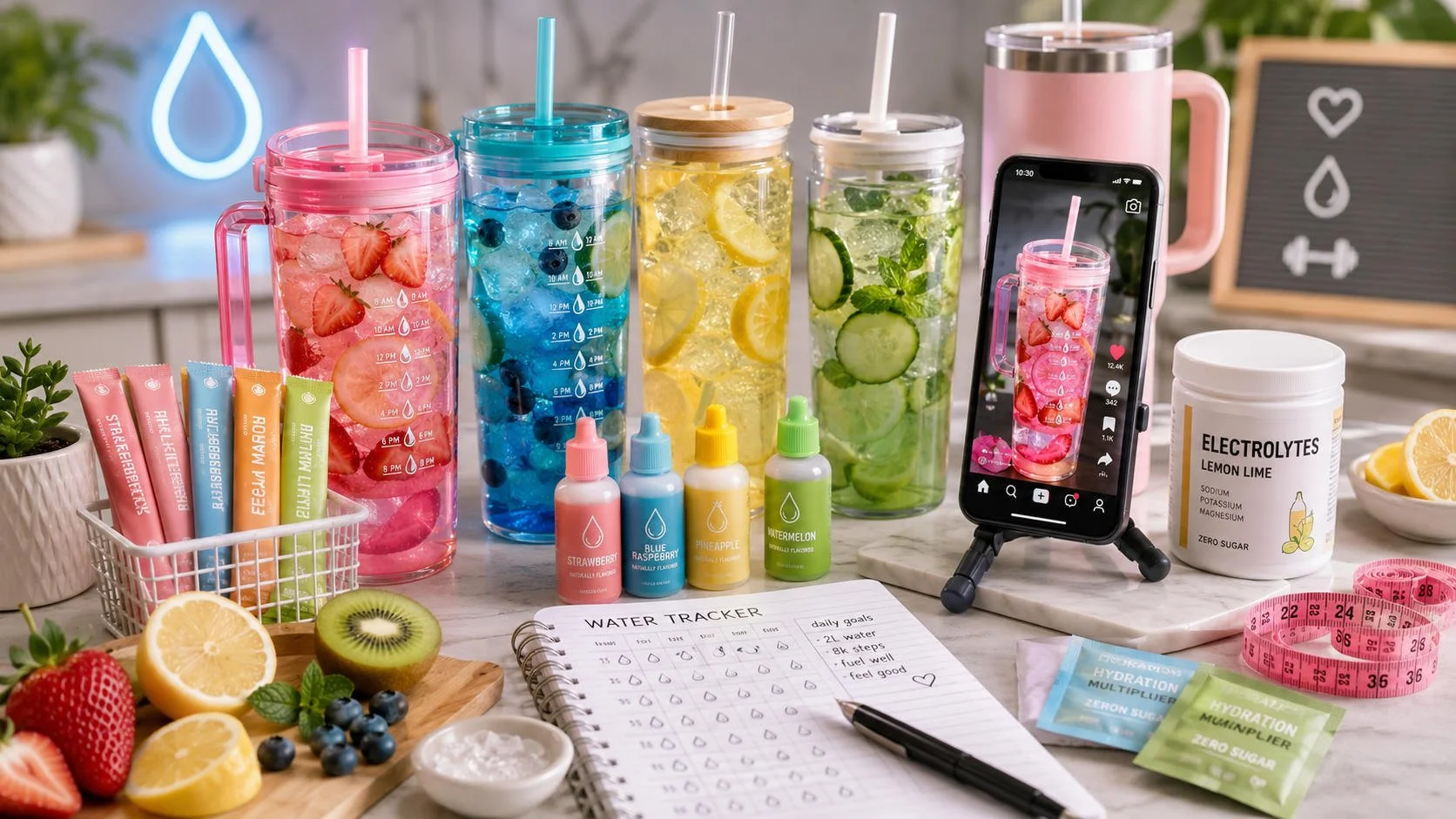
That is WaterTok: the TikTok trend where people mix water with sugar-free syrups, powdered drink packets, ice, and very large cups, then name the result like it is a limited-edition Bath & Body Works candle. “Unicorn Cotton Candy Water.” “Orange Mermaid Water.” “Wedding Cake Water.” “Blue Raspberry Starburst Water.” At a certain point, calling this “water” feels like calling nachos “corn salad,” but technically the liquid started there, so everyone has agreed to keep lying politely.
WaterTok is funny because it is absurd. It is also revealing because it sits at the intersection of hydration, flavor, diet culture, bariatric food communities, artificial sweeteners, Stanley-cup aesthetics, wellness marketing, and the desperate modern need to turn every personal habit into shareable proof that you are managing yourself correctly.
What Is WaterTok, Besides Juice Wearing a Fake Mustache?
WaterTok became widely visible in 2023 as creators started posting “water recipes” made from plain water plus sugar-free syrups and flavor packets, often in oversized tumblers. BuzzFeed described the trend as people modifying water with sugar-free syrups and flavor packets, usually giving the drinks names like “Orange Mermaid Water” or “Unicorn Cotton Candy Water.” It also noted that the trend seemed tied to the popularity of Stanley tumblers, because naturally the cup had to become famous too.
The trend’s roots are important. Cleveland Clinic reported that WaterTok partly originated in bariatric surgery communities, where patients often need to meet hydration goals while avoiding carbonated beverages for a period after surgery. Forbes and Eater also connected the trend to bariatric patients and liquid-diet realities, not just random people deciding water needed to taste like carnival frosting.
That context matters because it changes the tone. For some people, flavored water is not just a cute TikTok ritual. It is a practical tool. If plain water is hard to tolerate, or if someone is trying to drink more after surgery, flavoring water can genuinely help. The internet, however, does what it always does: takes a specific coping strategy, scales it into a lifestyle trend, adds an affiliate link, and then acts surprised when everyone starts arguing.
WaterTok Understands One Thing Perfectly: Plain Water Is Boring
Let us tell the truth for once, an activity that may violate several wellness-brand terms of service: plain water is not exciting.
It is necessary. It is healthy. It is the original beverage. It is also, emotionally, a clear liquid with the personality of a conference room. Some people love it, and good for them; may their kidneys clap politely forever. Other people need flavor to drink enough, and this is not a moral failing. It is a palate.
The CDC says drinking enough water helps prevent dehydration, which can cause unclear thinking, mood changes, overheating, constipation, and kidney stones. It also notes that water has no calories, so replacing sugary drinks with plain water can reduce calorie intake.
That is the pro-WaterTok argument in its least annoying form: if flavoring water helps someone drink more water and replace sugary soda, sweet tea, or energy drinks, then fine. The hydration police can unclench. The CDC also recommends choosing water instead of sugary drinks and suggests adding berries, lime, lemon, or cucumber when you want more flavor.
The issue is not “flavored water is bad.” The issue is when flavored water gets marketed as a magical lifestyle hack, diet tool, personality, and dessert replacement all at once. That is not hydration anymore. That is beverage cosplay with a side of unresolved food rules.
The Stanley Cup Became a Tiny Hydration Stage
WaterTok is not just about what is in the cup. It is about the cup.
The oversized tumbler is part of the performance. A massive Stanley-style cup says, “I am a person with hydration goals, a cup holder problem, and enough ice to preserve a medium-sized mammal.” It turns water from something you drink into something you carry, accessorize, refill, photograph, and occasionally use to communicate that you have your life together despite all available evidence.
The cup makes hydration visible. That is the modern trick. Drinking water quietly is health. Drinking water from a giant branded tumbler with syrups lined up behind it is content. Same biological function, different self-presentation strategy.
This is why WaterTok works so well on TikTok. It has a ritual: cup, ice, water, powder, syrup, stir, taste, name. It has color. It has sound. It has a finished reveal. It has the creator saying, “This tastes exactly like a peach ring,” even though it probably tastes like a peach ring had a brief meeting with Splenda in a hotel lobby.
TikTok rewards repeatable formats, and WaterTok is almost comically repeatable. Every drink is the same basic plot with a new costume. It is the Hallmark movie of beverages.
WaterTok Makes Flavor Feel Like Control
The emotional power of WaterTok is control. You choose the cup. You choose the ice. You choose the flavor packets. You choose the syrup. You choose the name. You choose whether today’s beverage is tropical, candy-like, sour, creamy, fruity, or something called “birthday cake” even though it is wet.
That sounds silly until you remember that diet culture often sells control as comfort. Track this. Measure that. Hit your water goal. Hit your protein goal. Avoid sugar. Replace cravings. Optimize routines. Make “better choices.” Become the version of yourself who owns seventeen syrups and still calls this water.
WaterTok turns hydration into a controllable ritual. For people who feel overwhelmed by food, body goals, health advice, or the general circus of modern eating, that ritual can feel soothing. The danger is that it can also become another rule system: drink this much, use these products, make cravings disappear, turn dessert into water, never want actual dessert because you have “cake batter water,” which is a phrase that should make every pastry chef throw a chair into the sea.
The Diet Culture Part Is Not Subtle
WaterTok is not just hydration content. It is diet culture in a glitter cup.
The trend leans heavily on sugar-free syrups and zero-calorie packets, which makes the drinks attractive to people trying to reduce calories or avoid sugar. Health.com described the trend as creators making flavored water with zero-calorie and zero-sugar syrups and packets, often presenting them as a healthier alternative to sugary drinks.
That can be useful. Replacing a high-sugar drink with a lower-calorie alternative can help some people reduce calorie intake. But WaterTok’s language often goes beyond “this helps me hydrate” and drifts into “this tastes like candy/dessert without consequences.” Ah yes, the ancient diet-culture dream: pleasure without the accounting department noticing.
That is where the weirdness enters. A “water recipe” that tastes like Skittles is not morally bad. But if the underlying message is “you can trick your body out of wanting food,” we have left hydration and entered the haunted carnival of restriction.
The trend also revives the old diet-food logic of the 1990s and 2000s: sugar-free equals better, zero-calorie equals safe, sweet cravings should be rerouted into substitutes, and the best version of eating is one where you consume the flavor of indulgence without the thing itself. The packaging changed. The guilt stayed.
Artificial Sweeteners Are Not Demons, but They Are Not Magic Wands Either
Here is the part where everyone online becomes deeply annoying.
One side says artificial sweeteners are poison, which is usually delivered by someone selling a “clean” alternative that costs $38 and tastes like tree bark had a panic attack. The other side says zero-calorie sweeteners are perfectly harmless and therefore you can drink 94 ounces of sugar-free cotton candy syrup water daily while calling it wellness. Both sides need to go sit quietly.
The FDA says its scientists do not have safety concerns when aspartame is used under approved conditions, and the National Cancer Institute notes that FDA-approved artificial sweeteners have been reviewed for safety and that studies showed no evidence these sweeteners cause cancer or other harms in people under approved uses.
But the World Health Organization issued a 2023 guideline recommending against using non-sugar sweeteners for weight control or reducing the risk of noncommunicable diseases, based on evidence suggesting they do not provide long-term weight-control benefits and may be associated with possible undesirable effects.
That is the actual nuance, which is inconvenient because nuance does not go viral unless it is crying in a car. Artificial sweeteners are not automatically dangerous in normal approved amounts, but they also should not be treated as a guaranteed weight-loss strategy or a free pass to turn water into a daily dessert simulator.
Your Teeth Would Like a Word, Unfortunately
Even sugar-free drinks can be acidic, especially when flavor packets, citric acid, and carbonation enter the chat like tiny enamel vandals.
The American Dental Association warned during earlier TikTok “healthy soda” trends that acidic, sugar-free beverages can contribute to enamel erosion. ADA-linked research found that acids in sugar-free drinks can erode tooth enamel, and the ADA emphasized that acidity matters even when sugar is absent.
That does not mean one flavored water will make your teeth crumble out of your head like haunted Chiclets. It means sipping acidic flavored drinks all day, every day, may not be the tooth-friendly hydration strategy the TikTok comments section promised you.
A practical fix: do not sip acidic flavored waters continuously for ten hours like a hummingbird with a wellness plan. Drink them with meals or within a shorter window, use a straw if it helps reduce contact, rinse with plain water after, and let plain water have a few shifts. Your enamel is not asking for luxury. It is asking not to be bathed in blue raspberry acid fog from sunrise to bedtime.
WaterTok Is Also About Replacing Soda Without Feeling Deprived
To be fair, WaterTok’s best case is genuinely reasonable: someone drinks a lot of soda or sweet tea, switches to flavored zero-calorie water, drinks more fluid, consumes fewer sugary beverages, and feels better.
That is not stupid. That is practical.
The CDC’s “Rethink Your Drink” guidance recommends choosing water instead of sugary drinks, adding fruit or cucumber for flavor, and choosing drinks with important nutrients like plain unsweetened milk when water will not do.
WaterTok is basically the chaotic cousin of that advice. The CDC says add cucumber. WaterTok says add sugar-free coconut syrup and a packet of blue raspberry drink mix and call it “Poolside Mermaid Chaos.” Same general behavioral goal, wildly different emotional tax bracket.
The real question is not whether flavored water counts as hydration. It generally contributes fluid. The better question is whether your version of flavored water is helping you drink more without creating a new dependence on hyper-sweet flavors, diet-food thinking, or a pantry full of syrups that make your kitchen look like a snow-cone stand got divorced.
Hydration Goals Are Real, but TikTok Makes Them Weird
People do need fluids. That part is not fake. The National Academies set adequate intake levels for total water at about 3.7 liters per day for men and 2.7 liters per day for women, including water from all beverages and foods. Mayo Clinic summarizes those same ranges as about 15.5 cups and 11.5 cups of total fluid per day for average healthy adults, while noting needs vary by body size, activity, climate, and other factors.
But TikTok often flattens hydration into giant-cup arithmetic: drink this many ounces, refill this many times, hit this target, film the ritual, become a hydrated goddess with a color-coded lid.
The problem is that hydration is individual. A runner in July needs something different from a desk worker in February. Someone with kidney disease, heart failure, certain medications, or medical fluid restrictions should not be taking hydration cues from a woman making “sour gummy worm water” in a 40-ounce tumbler. That should be obvious, but so should not eating detergent pods, and history has humbled us.
WaterTok Reveals How Bad We Are at Letting Food Be Food
The deeper cultural issue is that WaterTok turns flavor into a workaround. Instead of eating candy, make candy water. Instead of dessert, make dessert water. Instead of soda, make soda-ish water. Instead of wanting what you want, dilute the idea of it into a cup and call it self-care.
Sometimes that is harmless. Sometimes it is useful. Sometimes you simply want something fun to drink and nobody needs to conduct a congressional hearing over your watermelon packet.
But when every craving becomes something to “hack,” food stops being food and becomes a little moral puzzle. Want sweetness? Better make it zero-calorie. Want flavor? Better attach it to hydration. Want dessert? Better make it liquid, sugar-free, and photographed next to a protein snack.
This is diet culture’s favorite disguise: it does not always say “eat less.” Sometimes it says “make better choices” so many times that pleasure starts needing a permission slip.
The WaterTok Pantry Is a Little Consumerist Shrine
WaterTok also reveals the consumer side of wellness. You need the cup. The ice machine. The straw topper. The syrups. The packets. The organizers. The labels. The flavor hauls. The “restock with me” video where someone arranges drink mixes like they are preparing a bunker for a very hydrated apocalypse.
The trend makes drinking water feel like a hobby, which is funny because hobbies used to involve skills. Now your hobby can be owning twelve syrups and naming liquids.
Again, not inherently evil. People collect tea, coffee gear, sparkling waters, mugs, cocktail bitters, spices, and every other edible accessory. Humans love rituals. The issue is when a basic health behavior becomes another shopping category. Hydration should not require a starter kit unless you are hiking across a desert, not sitting in your kitchen naming water “blue coconut dream.”
The Good Version of WaterTok
The good version is simple: flavored water helps people drink more fluid, reduce sugary drinks, and make hydration more enjoyable.
Use one packet. Add fruit. Make iced herbal tea. Use sparkling water if it works for you. Keep a big cup nearby. Make a fun drink in the afternoon instead of a soda. Let it be a tool, not a theology.
For people after bariatric surgery, people who dislike plain water, people trying to reduce soda, or people who need a low-calorie beverage option, flavored water can be genuinely helpful. Cleveland Clinic’s WaterTok coverage specifically notes that the trend can make it easier for people to drink enough after bariatric surgery, while also warning that sugar-free mix-ins are not something to consume endlessly without paying attention to ingredients.
That is sane. Boring, but sane. WaterTok works best when it is treated like a bridge, not a personality.
The Bad Version of WaterTok
The bad version is when every drink becomes hyper-sweet, every craving gets routed into sugar-free syrup, and every day requires enough additives to make plain water seem like a punishment from an angry monk.
The bad version is when people use “hydration” to disguise restriction. The bad version is when someone replaces meals or snacks with giant sweet drinks and calls it discipline. The bad version is when the comments become a diet-culture support group wearing pink lids.
The bad version is also when creators imply that because something is sugar-free or calorie-free, it is automatically health-promoting. No. A zero-calorie drink may be useful because it replaces a higher-calorie drink. That is different from saying it is inherently nutritious. The absence of sugar is not the same thing as the presence of health.
How to Do WaterTok Without Making It a Whole Weird Thing
Make most of your fluids boring or lightly flavored. Yes, heartbreaking. Plain water, sparkling water, unsweetened tea, and fruit-infused water can handle a lot of hydration work without turning your pantry into a syrup dealership.
Use sugar-free flavorings strategically. If one flavored water helps you drink more and avoid soda, great. If you are drinking six neon dessert waters a day and cannot tolerate plain water anymore, perhaps the flavor circus has become the ringmaster.
Watch acidity. If your flavored water uses citrusy powders, sour flavors, or acidic packets, do not sip it constantly all day. Give your teeth a break. The ADA’s warning about acidic sugar-free beverages is not an invitation to panic; it is an invitation to stop treating enamel like it has unlimited PTO.
Do not use flavored water to avoid eating. Hunger is not always dehydration wearing a trench coat. Sometimes hunger is hunger. Revolutionary, I know.
Be honest about why you are making the drink. Hydration? Fine. Soda replacement? Fine. Fun? Fine. Fear of calories? Restriction? Trying to silence cravings you could simply satisfy with a normal snack? That deserves more attention than a new syrup flavor.
WaterTok Is Hydration, Diet Culture, and Dessert Theater in One Giant Cup
TikTok’s WaterTok trend says something very clear about modern food culture: even water is no longer allowed to just be water.
It has to be flavored, named, aesthetic, optimized, filmed, organized, and justified. It has to hydrate you, entertain you, help you avoid sugar, replace soda, satisfy cravings, match your cup, and maybe convince strangers that you are a person with control over your life. That is a lot of pressure for liquid.
At its best, WaterTok is a harmless and sometimes useful way to make drinking water more enjoyable. If sugar-free flavor packets help someone replace sugary soda or meet hydration goals after surgery, excellent. Give the mermaid water its tiny crown.
At its worst, WaterTok is diet culture with ice: sweet cravings disguised as discipline, hyper-palatable sugar-free drinks marketed as wellness, and another reminder that the internet can make even hydration feel like a performance review.
The sane answer is not “never flavor your water.” The sane answer is “stop pretending every flavored drink is a health revolution.”
Drink water. Flavor it sometimes. Eat dessert when you want dessert. Don’t bathe your teeth in sour blue syrup all day. And please remember that hydration does not need a content strategy.
It is water, not a personal brand.