What The Bear Gets Right About Restaurant Stress
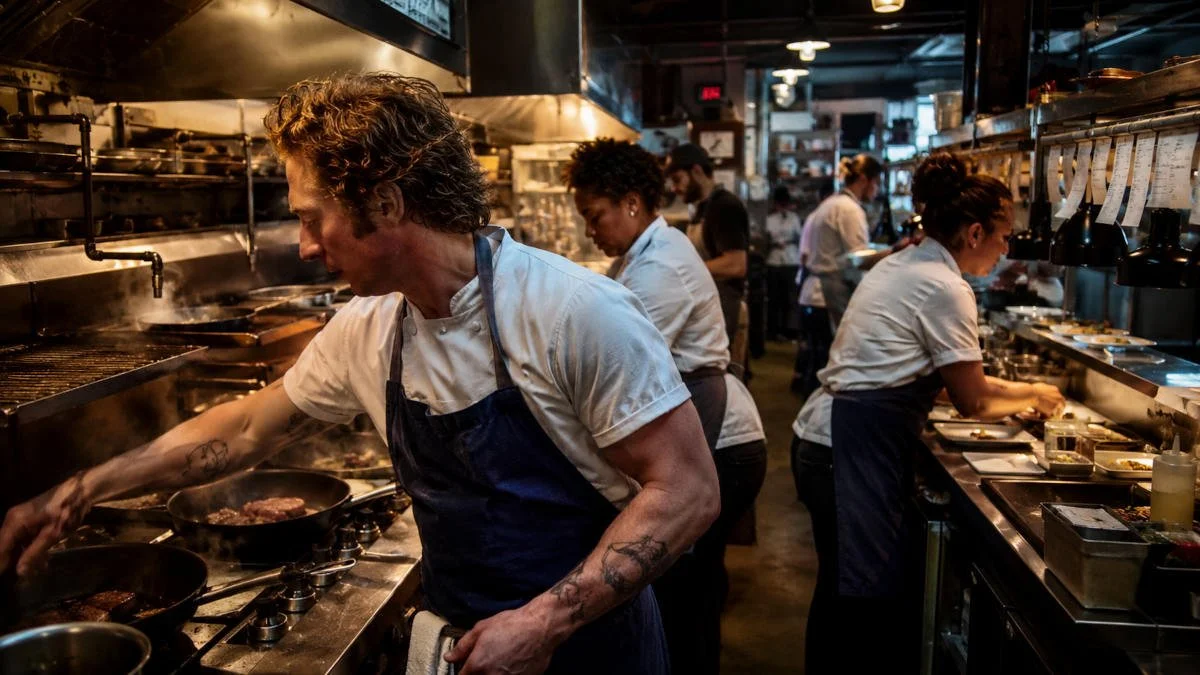
First things first: The Bear is not really a show about food. Food is merely the attractive hostage. The actual subject is panic: panic with tweezers, panic with quart containers, panic wearing a white T-shirt so tight it looks like it was issued by the Anxiety Department.
FX’s The Bear follows Carmen “Carmy” Berzatto, a world-renowned chef who inherits his late brother’s struggling Chicago sandwich shop and tries to turn it into a serious restaurant while grief, debt, perfectionism, family trauma, and the cursed ticket printer all take turns chewing his nervous system like calamari. Hulu describes the show’s pressure as mental, physical, and financial, which is a polite way of saying “everyone here needs therapy, sleep, and maybe a labor attorney.”
The Bear Understands Restaurant Stress Is Mostly Logistics Wearing a Knife
The smartest thing The Bear gets right about restaurant stress is that the chaos is not random. It is not just people screaming because chefs are dramatic little soup generals. The stress comes from systems failing in real time.
A printer floods the kitchen with tickets. Prep is short. Someone is behind on garnish. The walk-in is a morgue for dreams and unlabelled containers. A vendor is late. A cook is sick. A plate dies in the pass. A customer has decided tonight is the night their emotional support allergy gets a solo performance.
That is the real horror. Restaurant work is choreography performed on a grease-slick stage while everyone holds hot metal. Chef Tom Colicchio told People that The Bear nails the tension of service and the way things can go wrong fast; a Food & Wine writer with restaurant experience praised the show for capturing the messiness of wrong deliveries, unpaid vendors, backed-up toilets, and visual chaos.
Restaurant Financial Stress Is the Invisible Villain in The Bear
The show also gets that restaurant stress begins before service. It starts in the numbers.
A restaurant is a business model where the product expires, the staff is exhausted, the rent is due, the equipment is plotting treason, and customers still believe a $19 entrée should come with free emotional validation. The National Restaurant Association projects U.S. restaurant sales at $1.55 trillion in 2026 and industry employment at 15.8 million, but it also notes operators are dealing with uneven traffic, rising costs, and pressure on revenue and profitability.
That is exactly why The Bear feels so frantic. Carmy is not just plating food. He is trying to turn a leaking boat into a yacht while everyone keeps drilling holes because “that’s how we’ve always done it, chef.”
The Physical Stress of Restaurant Work: Burns, Cuts, Slips, and Other Fun Little Prizes
The Bear shows the psychological damage beautifully, but restaurant stress is not just a feeling. It is also your lower back filing a formal complaint.
OSHA lists restaurant hazards including burns and scalds, knives and cuts, slips, trips, falls, strains, sprains, and workplace violence, which reads less like a safety guide and more like a menu from Hell’s Applebee’s. BLS data for 2024 put restaurants and other eating places at 2.4 recordable injury and illness cases per 100 full-time workers, with limited-service restaurants at 2.6 and full-service restaurants at 2.2.
A study of 710 chefs in Italy found average weekly working hours of 66.4, and 47% of participants reported at least two health problems; the study linked job duration and length of working day with stress and health complaints. So when Carmy stares at scars and keeps moving like pain is just another station, that is not melodrama. That is kitchen culture doing its little haunted tap dance.
Useful tip, since apparently “suffer silently next to the fryer” is not a health plan: restaurants should treat injuries and near-misses as operational failures, not personality tests. Better mats, sharp-knife training, safer lifting, real breaks, first-aid training, and incident logs are not luxuries. They are cheaper than replacing half your staff and pretending the new guy named Trevor can magically run sauté on day three.
The Bear Gets Toxic Kitchen Culture Painfully Right
Carmy’s biggest problem is that he confuses excellence with punishment. This is common in kitchens, because the industry spent decades mistaking abuse for mentorship, like some deranged culinary Hogwarts where the Sorting Hat just screams, “You’re too slow.”
Research backs up the ugly little truth under the shouting. A Purdue study of 453 restaurant workers found high depressive symptoms and an overextended burnout profile; bullying and perfectionism were positively related to depression and burnout, while social support was negatively related to both.
That is The Bear in a sentence: talented people trying to make beautiful things inside a culture that keeps handing them emotional shrapnel and calling it standards.
The show understands that “Yes, chef” can be respect, but it can also be surrender. It can mean “heard.” It can also mean “I have learned not to have a nervous system in this room.”
Restaurant Burnout Is Not a Vibe. It Is a System.
A 2024 systematic review of food and bar workers found that high emotional job demands and low job control are associated with burnout and depression. It also found that hostile interactions with customers, managers, and coworkers contribute to depression, anxiety, and burnout, and that organization-level interventions may be the most effective way to address the problem.
Translation: you cannot fix restaurant burnout by putting a “good vibes only” sticker on the prep fridge. The vibes are in the walk-in crying into a Cambro.
A Canadian hospitality mental-health project reported that among surveyed front-line food and beverage staff, 87% experienced burnout, 77% reported depression, 84% faced high anxiety, and 67% kept their struggles to themselves. That is not a workforce. That is a group project in emotional concealment.
Useful tip number two, because Carmy would rather invent a new sauce than have a stable management practice: build recovery into the schedule. No clopenings unless absolutely necessary. No hero worship for skipped breaks. No treating 70-hour weeks like a personality brand. Also, managers need actual training in conflict, feedback, and mental-health basics. “I suffered, so now you must suffer” is not leadership. It is a pyramid scheme with burns.
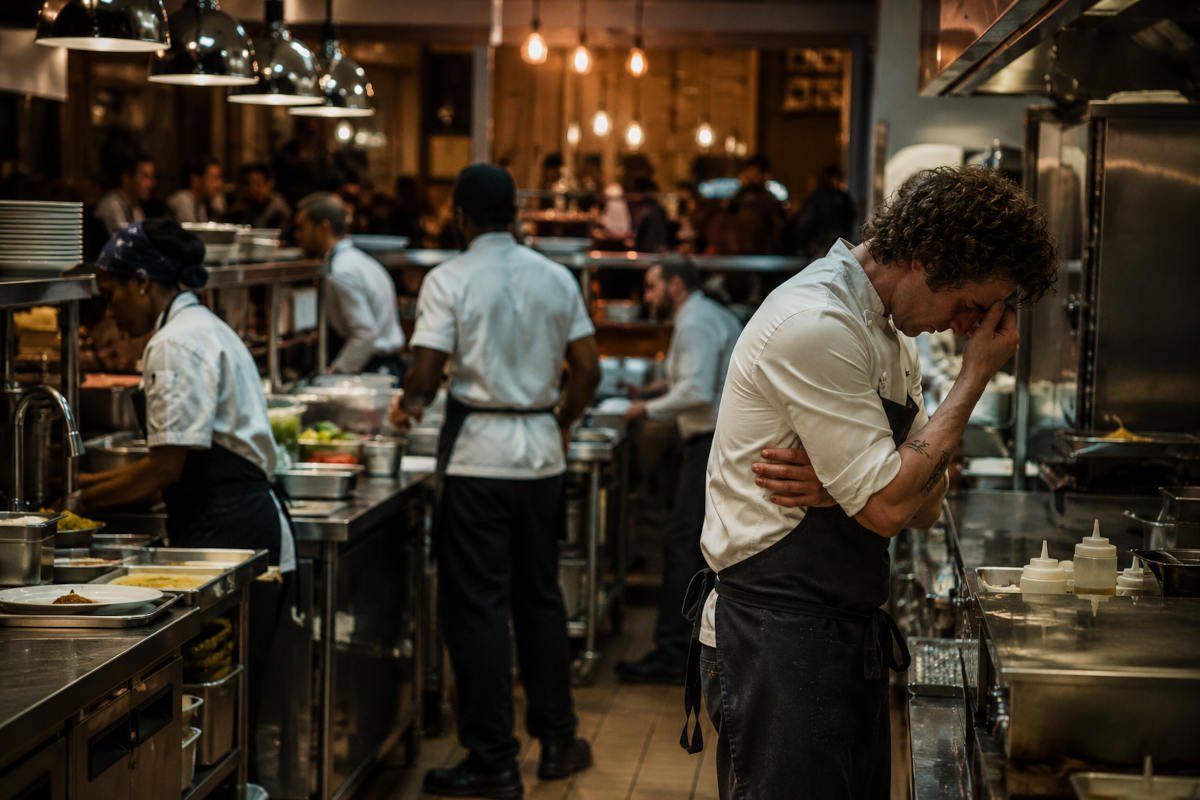
The Show Nails the Front-of-House and Back-of-House Pressure Cooker
Restaurant stress is not limited to the kitchen. Front-of-house workers absorb customer moods, timing disasters, dietary demands, table politics, and the sacred American belief that a server personally controls the laws of physics.
Back-of-house gets heat, knives, timing, precision, and the constant threat of someone asking “Where’s my food?” with the moral urgency of a hostage negotiator. Front-of-house gets the human buffet of impatience, entitlement, confusion, and people who say “I’m gluten-free” while eating half the bread basket like it owes them money.
The Bear gets that restaurants are not one workplace. They are several workplaces duct-taped together under low lighting. The pass is a border crossing. The ticket printer is immigration. Everyone is suspicious.
What The Bear Gets Right Is That Stress Spreads
Carmy does not simply experience stress. He exports it.
That is one of the show’s sharpest observations. A stressed leader becomes weather. Everyone else has to dress for it. If the chef is spiraling, the kitchen becomes a little ecosystem of flinching. Sydney doubts herself. Richie overcompensates. Tina works harder. Marcus disappears into craft. Sugar tries to keep the whole circus from eating itself.
This is not just “drama.” It is what happens when a restaurant depends on one brilliant person who has the emotional regulation of a malfunctioning fire alarm.
Useful tip number three: debrief after service. Not a courtroom. Not a public execution. A real debrief. What worked? What failed? What needs fixing before tomorrow? Who needs support? If the only feedback system is screaming during the rush, congratulations, you have invented yelling with aprons.
The Big Lesson: Excellence Without Care Is Just Panic With Garnish
The Bear gets restaurant stress right because it understands that the job is beautiful and ridiculous and brutal all at once. It is craft under pressure. It is teamwork under heat. It is people trying to make something excellent while the building, the budget, the guests, their families, and their own brains all attempt to tackle them into the fryer.
But the show’s real warning is not “restaurants are hard.” Everyone knows restaurants are hard. Ice is cold. Knives are sharp. The customer asking for “no seasoning” will still complain it tastes bland.
The real warning is this: a restaurant cannot run forever on adrenaline, shame, and Carmy’s cheekbones. Eventually, the body collects. The mind collects. The staff leaves. The dream turns into a very expensive room full of resentful people saying “corner” like it is a cry for help.
A great restaurant needs standards, yes. It also needs rest, training, safety, decent communication, and leaders who do not treat trauma like a secret ingredient. Excellence is not supposed to require turning every employee into a beautiful little ghost who can chiffonade basil.
That is what The Bear gets right about restaurant stress: the food may be exquisite, but the cost is often hidden on the staff side of the pass. And no, chef, that is not sustainable. It is just burnout plated nicely.