What Ina Garten Can Teach You About Hosting Without Looking Desperate
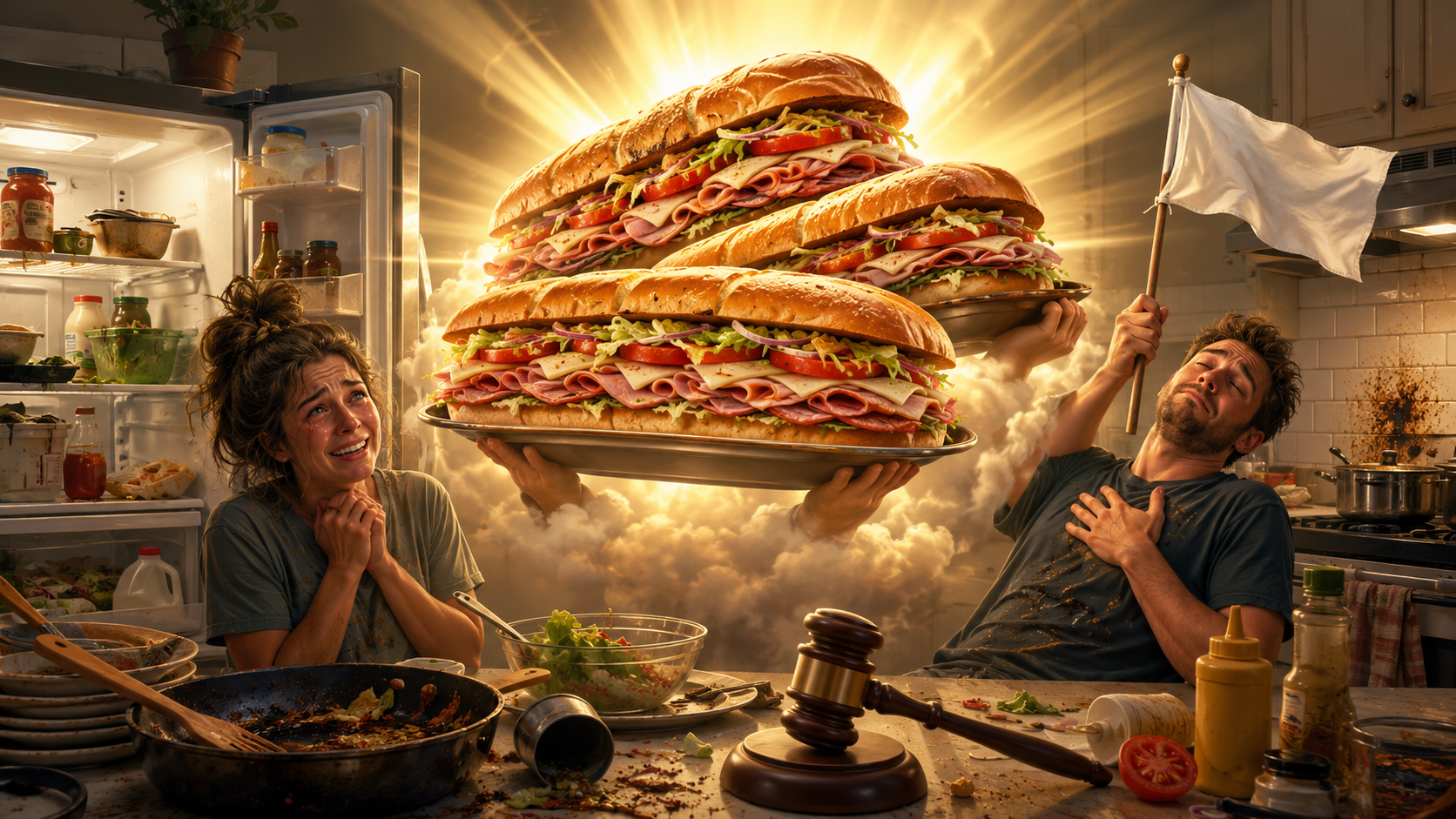
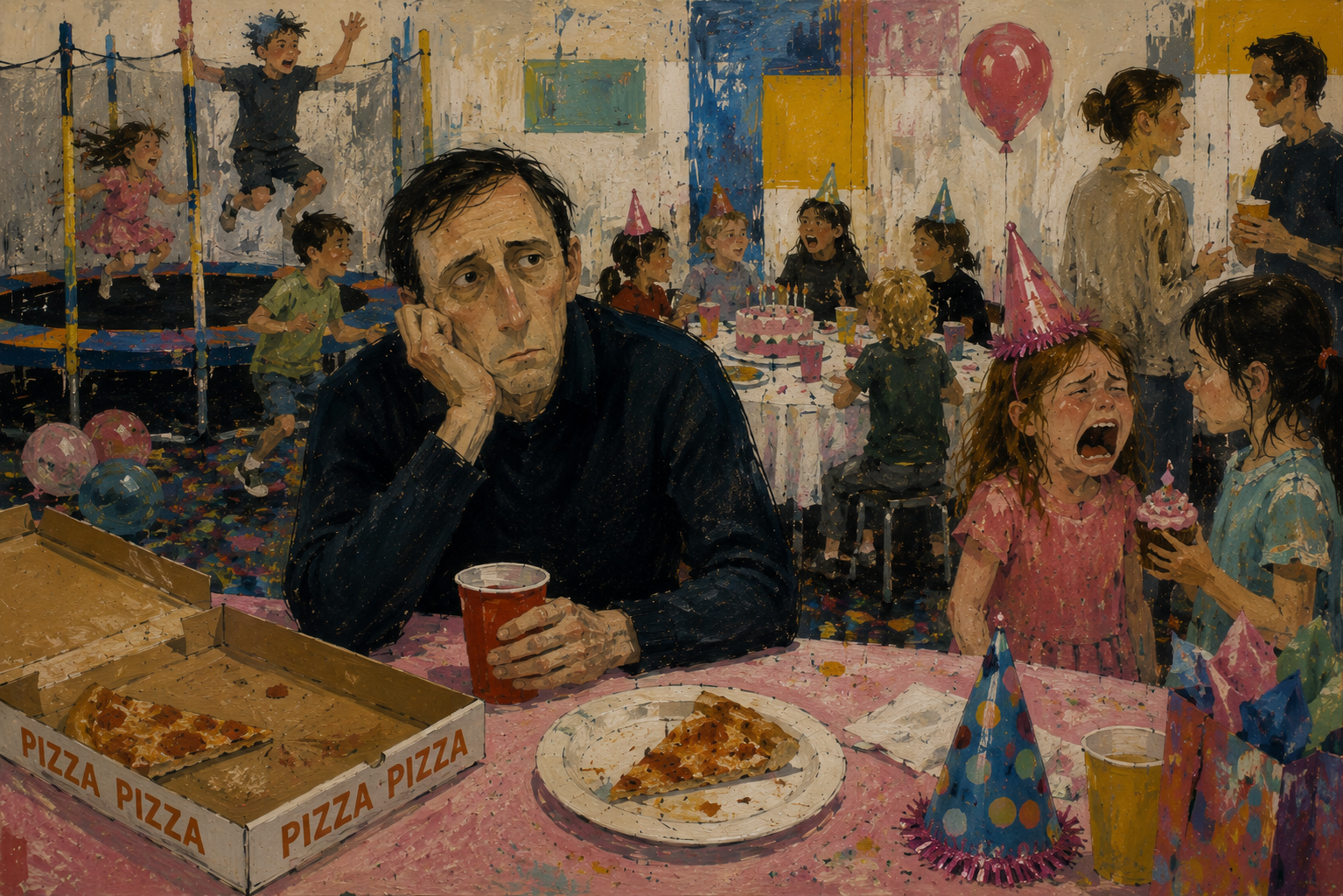
First things first: most people do not host. They audition for approval in their own kitchens like a terrified raccoon wearing an apron. They invite six people over, then spend three days acting like the Michelin Guide is sending an undercover inspector named Linda from book club.
This is how a dinner party becomes a cry for help with napkin rings.
Ina Garten, mercifully, does not host like this. Ina hosts like a woman who knows the chicken is done, the table is fine, the drinks are cold, and nobody came over to watch you spiral because the parsley “doesn’t look abundant enough.” This is the central Barefoot Contessa lesson: hosting should look generous, relaxed, and competent — not like you are trying to emotionally blackmail your friends into admiring your beet salad.
Garten’s authority here is not theoretical. Food Network says she bought the original Barefoot Contessa specialty food store in East Hampton in 1978 after working in White House nuclear energy policy, grew it from a 400-square-foot shop into a 3,000-square-foot food emporium, sold it in 1996, then published The Barefoot Contessa Cookbook in 1999 and Barefoot Contessa Parties! in 2001. So yes, she has spent decades thinking about parties, food, stress, and how not to make guests feel like they’ve wandered into a culinary hostage negotiation.
Ina Garten Hosting Tips Start With Not Acting Like You’re Being Judged by Parliament
Ina’s first lesson is painfully simple: calm down. Not “light a candle and pretend you’re calm” calm. Actually calm. The kind of calm that comes from not planning a menu requiring eight burners, three oven temperatures, a mandoline, and a spiritual waiver.
Food Network’s collection of Garten’s entertaining do’s and don’ts repeatedly points back to the same idea: simplify the menu, cook food you already know, avoid too many dishes, keep the table simple, and make the evening about friends rather than performing culinary gymnastics for applause.
This is where desperate hosts fail. They mistake difficulty for sophistication. They think the guests will be impressed by a menu that reads like a grant proposal. “I’m making hand-folded squash agnolotti with brown-butter sage foam.” Wonderful. Your friends wanted pasta and gossip, and now they’re watching you sweat into a saucepan like a Victorian orphan.
Ina understands that impressive hosting is not about showing everyone how hard you worked. It is about making people feel like the evening was inevitable. Of course there is dinner. Of course there is wine. Of course there is something chocolate. Of course nobody has to ask where the forks are because you did not turn basic hospitality into a scavenger hunt.
The Best Dinner Party Menu Is the One You Can Actually Survive
One of Garten’s most useful principles is to cook recipes you have already made. This sounds obvious, which is why people ignore it and then decide 45 minutes before guests arrive that tonight is the night to attempt seafood paella for the first time. Beautiful. Nothing says “welcome” like raw rice and shellfish anxiety.
Food Network’s entertaining guidance says Garten recommends sticking with dishes you can make confidently rather than testing an unfamiliar recipe under pressure. That is not cowardice. That is wisdom. New recipes are for Tuesdays, not for the night your boss, your neighbor, your in-laws, and one mysteriously gluten-free guest are coming over.
The non-desperate host has a house menu. A roast chicken. A pasta. A short rib. A big salad. A reliable cake. Something that can be made while holding a conversation instead of staring into a pan like it contains the meaning of suffering.
Ina’s own website offers complete dinner menus, including an “Easy Dinner Party” built around potato galette, skillet-roasted lemon chicken, and salted caramel brownies; a “Mid-Week Dinner Party” with Chicken Marbella, roasted broccolini, couscous, and affogato sundaes; and other menus that look like food for humans rather than punishment for trying to have friends.
Notice the structure: main dish, side, another side or salad, dessert. Not seventeen courses. Not “a little amuse-bouche.” Not a soup served in a hollowed-out heirloom vegetable because Pinterest got into the walls again.
The Four-Dish Rule: Stop Making Everything Hot at Once, You Maniac
Ina’s most practical dinner-party strategy may be the four-dish rule: pick one thing made in advance, one thing that goes in the oven, one thing cooked on the stove, and one thing served at room temperature. That way, every dish is not screaming for attention at the same exact moment like toddlers in tiny Le Creuset costumes.
This is the difference between hosting and staging a kitchen-based nervous collapse.
A desperate host makes risotto, seared scallops, sautéed greens, warm rolls, and a delicate sauce that breaks if someone breathes near it. A smart host makes dessert yesterday, serves a room-temperature salad, puts chicken in the oven, and finishes one stovetop dish while drinking something cold enough to restore faith in civilization.
Here is the Ina math:
Make-ahead dessert: panna cotta, brownies, cake, crumble topping, cookies.
Oven dish: chicken, beef tenderloin, short ribs, gratin, roasted vegetables.
Stovetop dish: polenta, couscous, pasta, sauce, quick vegetable.
Room-temperature dish: salad, mezze, cheese, bread, fruit, olives.
That is not just a menu. That is a stress-management system with butter.
“Store-Bought Is Fine” Is Not Laziness. It Is Emotional Maturity.
The phrase “store-bought is fine” has become Ina shorthand for not handcrafting every ingredient like a pioneer woman with boundary issues. It is not permission to dump supermarket potato salad into a crystal bowl and call yourself effortless. It is permission to choose your battles like an adult who understands time is real.
Garten’s own site leans into this philosophy. In her “Store-bought Thanksgiving” post, she wrote that she used packaged or canned ingredients only when they made a dish easier and still allowed the final result to taste homemade. Her Simply Ina page also highlights smart shortcuts like packaged mashed potatoes transformed into soup and canned baked beans dressed up with bacon, maple syrup, and bourbon.
This is a crucial hosting lesson: the shortcut should disappear into the final dish. The shortcut is not the point. The shortcut is the stagehand. Nobody claps for the pulley system, but without it, the chandelier falls on Act Two.
A desperate host wants everyone to know everything was homemade. “I made the crackers.” Great. Seek help. A confident host makes the dish better and says nothing. If someone compliments it, you smile like a benevolent kitchen witch and pass the wine.
Buy the Hummus, Dress It Up, and Move On With Your Precious Little Life
Ina’s recent entertaining posts keep proving that the elegant shortcut is alive and wearing linen. In a 2025 post about a Mediterranean mezze platter, she said she started with good-quality store-bought hummus, baba ganoush, and feta, then dressed them up with olives, toasted pita, cucumbers, grape leaves, and tomatoes.
This is exactly how to host without looking desperate. You do not apologize for the hummus. You do not deliver a TED Talk about “not having time.” You put it in a nice bowl, add olive oil, herbs, flaky salt, maybe toasted pita, and let people believe you are relaxed because, horrifyingly, you actually are.
The trick is presentation. Store-bought food served in plastic packaging says, “I gave up in aisle seven.” Store-bought food placed in a bowl with lemon zest and good olive oil says, “I have taste and a dishwasher.”
Same hummus. Different emotional tax bracket.
The Table Should Look Like Dinner, Not a Wedding Registry Having a Seizure
A desperate table is easy to spot. It has chargers, three plates per person, folded napkins shaped like birds, twelve candles, place cards written in calligraphy, and a centerpiece so large guests must communicate around it using naval flags.
Ina does not do that nonsense. Food Network’s Garten entertaining tips include keeping the table simple, creating a relaxed setting, and entertaining in casual spaces like the kitchen instead of forcing everyone into a formal dining room where joy goes to wear uncomfortable shoes.
Her own 2025 table-setting advice on Barefoot Contessa says she tends to keep settings simple and often bases the color around one dramatic bowl of flowers rather than lots of competing arrangements. Translation: one good gesture beats a thousand tiny decorative panic attacks.
You need plates, napkins, glasses, silverware, something low and pretty in the middle, and enough space for actual food. That is it. Your guests do not need an immersive tablescape. They need somewhere to put their elbows while they say something mildly inappropriate about a coworker.
Music Is Not Optional Unless You Enjoy Dead-Air Horror
Ina also understands atmosphere. Food Network’s entertaining tips include having music on when people arrive. This is not decorative advice. This is basic social engineering.
When guests walk into silence, every sound becomes terrible. Coats rustling. Ice clinking. Someone saying, “Oh, this is nice,” with the tone of a person touring a rental property. Music fills the room before conversation does. It tells people the evening has started and they are not entering a dentist’s waiting room with olives.
Do not overthink it. Make a playlist. Jazz, soul, old standards, soft pop, whatever matches the vibe. Just do not put on music so dramatic your dinner party feels like the trailer for a prestige murder series.
Drinks Should Be Easy, Cold, and Not a Chemistry Exam
The desperate host creates a signature cocktail with muddled herbs, infused syrup, smoked citrus, and one ingredient only available from a monastery in Portugal. Then they spend the first hour shaking drinks while guests stand around pretending not to be hungry.
Ina’s guidance is saner. Food Network’s entertaining tips say that if a cocktail is complicated, just serve wine and let people help themselves. This is not defeat. This is hosting without cosplay.
The ideal drink setup is visible and self-serve: wine, sparkling water, ice, glasses, maybe one batch cocktail if you are feeling fancy but not mentally unwell. People should not need to submit a beverage request like they are applying for a small business loan.
A host trapped behind the bar is not a host. That is an underpaid bartender with a mortgage and a cheese board.
Ask What People Can’t Eat Before You Build the Menu
Another non-desperate move: ask guests about dietary restrictions before planning the meal. Food Network’s Garten tips say she asks what people cannot eat or do not like, then builds the menu around that information.
This is hospitality, not weakness. You are not “caving” because someone cannot eat shellfish. You are avoiding the charming experience of serving shrimp to a guest who then turns red and becomes a medical subplot.
The key is to ask once, plan accordingly, and then do not make a spectacle of it. Nobody wants to be announced as “our vegan friend” like a rare zoo animal. Just make sure there is enough food they can eat and keep moving. Quiet competence is attractive. Public accommodation theater is exhausting.
Never Serve Food That Humiliates Your Guests
Ina has even pointed out practical ingredient choices, like avoiding foods that get stuck in people’s teeth at parties. Food Network includes her warning about things like spinach and poppy seeds. This is the kind of detail that separates a good host from someone who believes hospitality ends when the chicken hits the plate.
Dinner-party food should not require guests to floss in secret. It should not explode down shirts, glue jaws shut, demand cracking tools, or require a twelve-step tutorial. You are feeding friends, not testing jaw strength in a medieval banquet hall.
Good hosting thinks about how food behaves after it leaves the platter. Can people cut it easily? Eat it while talking? Serve themselves without destroying the architecture? Not drip it down their sleeve like a toddler at a wedding?
This is why stews, roasted meats, pastas, composed salads, gratins, and make-ahead desserts endure. They know how to behave in public.
The Best Host Gift Advice Also Reveals the Whole Ina Philosophy
Ina’s guest advice is basically her hosting philosophy in reverse: do not bring something that creates work for the host. Food & Wine reported Garten’s warning against bringing an edible item the host feels pressured to serve, because it can disrupt the menu someone already planned.
This is also how you should think when hosting. Do not create work for your guests. Do not make them assemble their own complicated dish unless the whole party is built around it. Do not force them to sit through a 20-minute explanation of the lamb marinade. Do not make them praise every course like they are defending a dissertation.
A good dinner party lets people arrive, settle in, eat, drink, talk, and leave thinking, “That was lovely.” A desperate dinner party sends them home thinking, “I hope she’s okay.”
Make-Ahead Food Is the Difference Between Elegance and Kitchen Combat
Make-ahead food is the Barefoot Contessa religion, and frankly, it should have tax-exempt status. Garten’s Simply Ina page emphasizes dishes that can be made ahead and reheated, plus dessert components that can be prepped in advance for easy assembly.
This matters because guests can smell panic. Not literally, unless you burn the garlic, which you will if you insist on doing everything at the last second. Panic changes the room. The host gets sharp. The guests offer to help. The host says “No, no, I’m fine,” in a voice that sounds like a knife learning English.
The solution is boring and magical: do more earlier.
Set the table earlier. Make dessert earlier. Wash lettuce earlier. Chill wine earlier. Put serving spoons out earlier. Decide which platter holds what earlier. This is not overplanning. This is buying future-you a personality.
Ina’s Secret Is That She Makes Effort Look Invisible
Ina’s 2024 memoir, Be Ready When the Luck Happens, is described on her official site as covering hard work, bold choices, close attention to detail, and the career path that took her from government work to the Barefoot Contessa shop, cookbooks, and television. That matters because “effortless” Ina is not actually effortless. She is prepared.
This is the scam of great hosting: it looks easy because the hard parts happened before anyone arrived.
The desperate host performs effort in front of guests. The confident host hides the scaffolding. Nobody needs to see your prep list, your panic notes, your three grocery runs, your emergency butter, or the moment you whispered threats at a tart shell. They only need the result: a relaxed room, good food, and a host who is not vibrating like a blender full of espresso.
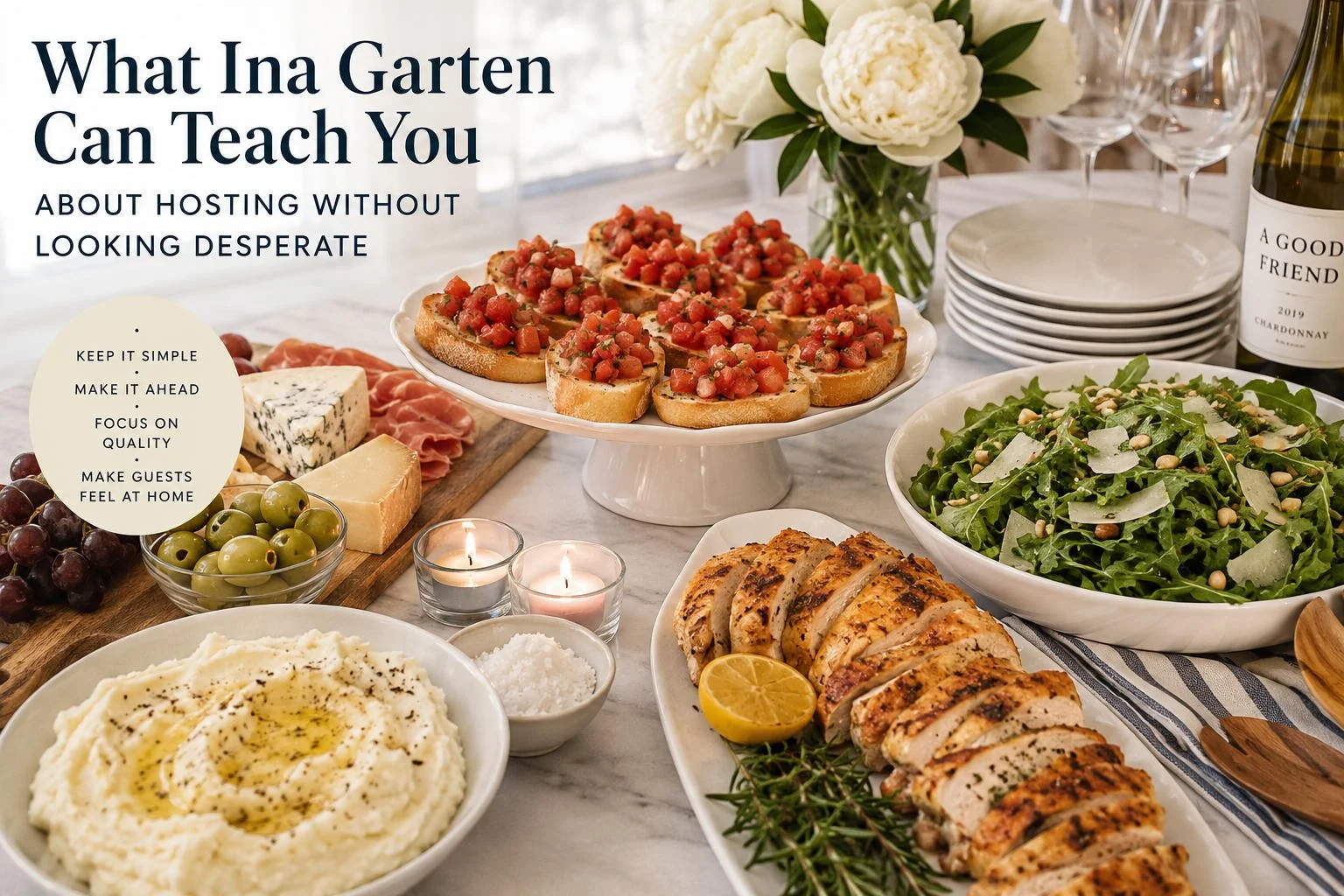
The Ina Garten Hosting Formula for Not Looking Desperate
Here is the actual formula:
Pick one reliable main dish.
Make one thing ahead.
Buy or assemble one thing without shame.
Serve one thing at room temperature.
Keep the table simple.
Have drinks ready.
Turn on music.
Ask about dietary issues.
Stop apologizing.
That last one is critical. Desperate hosts apologize constantly. “Sorry the chicken is a little dry.” “Sorry the table is so simple.” “Sorry I didn’t make dessert.” “Sorry the salad is just salad.” Enough. Apologies are seasoning for guilt, and your guests did not come over to eat that.
If something is imperfect, say nothing. Most people will not notice. If they do notice, they will survive. Your friends have eaten airport sandwiches and office birthday cake. They are not as fragile as your anxiety claims.
What Ina Garten Really Teaches About Hosting
Ina Garten teaches that hosting is not about being impressive. It is about being prepared enough to be present.
That is the whole game. A desperate host wants admiration. A good host wants everyone to relax. A desperate host builds a menu around ego. A good host builds a menu around timing. A desperate host decorates the table like a minor royal funeral. A good host puts out flowers, food, wine, and chairs that do not threaten the lower back.
Ina’s genius is not just roast chicken, good vanilla, white dishes, or the phrase “store-bought is fine.” It is the emotional architecture underneath all of it: make people feel cared for without making them feel responsible for your effort.
That is hosting without desperation. No begging for compliments. No soufflé-based identity crisis. No centerpiece tall enough to need air traffic control. Just good food, a simple table, cold drinks, music, and enough confidence to understand that nobody came over to grade you.
They came over to eat dinner. Feed them like you like them. Then sit down.