What Ariana Grande’s Coffee-Shop Image Says About Sweet Drinks and Celebrity Soft Power
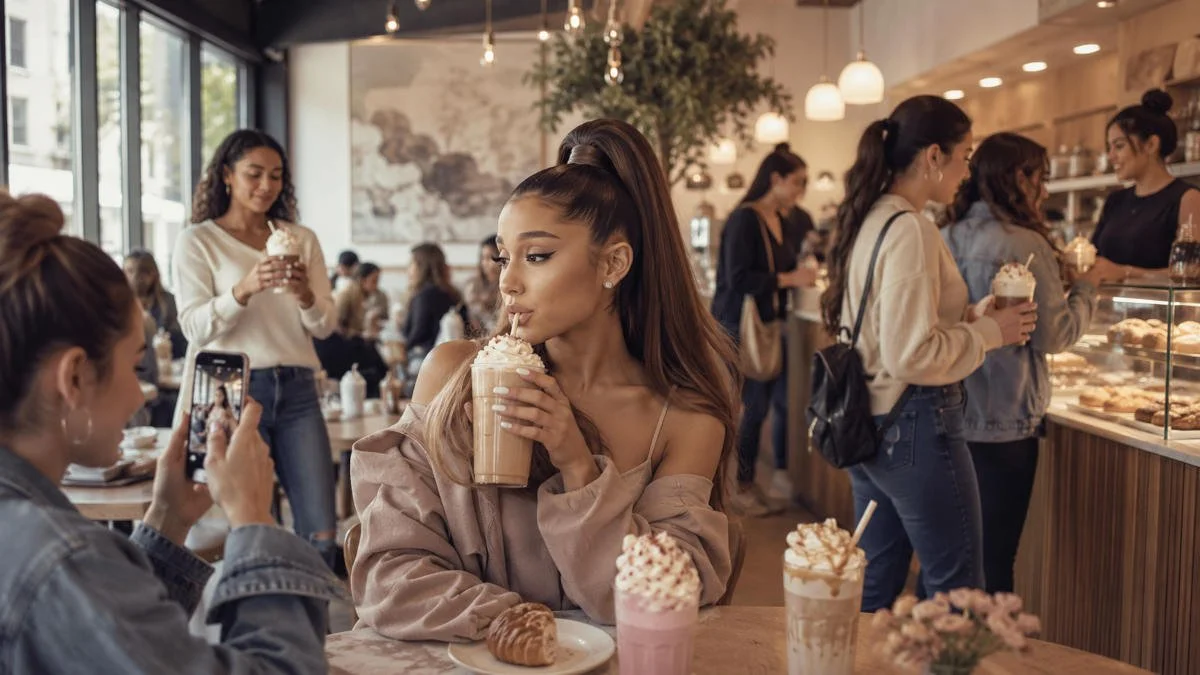
Ariana Grande holding a coffee is never just Ariana Grande holding a coffee. Please. That would be too normal, and celebrity culture did not crawl out of the swamp just so a beverage could remain a beverage.
In the Grande universe, coffee becomes an accessory, a mood board, a tiny plastic chalice of identity. It says: soft glam, tiny straw, oversized sleeve, ponytail-adjacent luxury, “I’m just like you” energy, except you are drinking a $7 iced drink in traffic and she is moving global consumer vibes with one wrist angle.
That is the point. Ariana’s coffee-shop image tells us less about caffeine and more about sweet drinks as celebrity soft power: the gentle, sugary ability to make people buy, post, imitate, defend, and emotionally attach themselves to a beverage that was already mostly syrup wearing a business degree.
Ariana Grande and Starbucks Turned Coffee Into a Pop Accessory
The obvious artifact here is Starbucks’ 2019 Cloud Macchiato, a drink launched with Ariana Grande as the face of the campaign. The drink came in caramel or cinnamon, hot or iced, and tied neatly into Grande’s existing cloud imagery, which already floated through her branding like a very profitable weather system. Vox noted that the “cloud” idea connected not only to Starbucks’ foam but also to Grande’s own repeated use of cloud motifs in tweets, music, and merchandise.
This is celebrity-brand matching at its most shamelessly efficient. Starbucks did not just hire a famous person. It hired a famous person whose last name is literally a Starbucks size and whose aesthetic already looked like it had been steamed, sweetened, and served over ice.
The result was not “coffee.” It was identity in a cup. A Cloud Macchiato was espresso cosplay for fans who wanted to sip something that felt connected to her world. It was merch you could drink, which is a horrifying sentence but also the entire modern economy wearing lip gloss.
Sweet Drinks Work Because They Photograph Better Than Coffee
Black coffee is honest. That is why marketing avoids it unless the target demographic is detectives, fathers, or people who describe themselves as “minimalist” while owning nine expensive knives.
Sweet drinks, on the other hand, perform. They have layers. Foam. Drizzle. Pastel colors. Sprinkles. Coconut milk. A topography. A beverage that looks like it was designed by a unicorn with venture funding.
The Cloud Macchiato campaign leaned hard into this visual logic. PAPER described the launch photos as “candid-seeming,” with Grande in a Starbucks apron, sipping through a green straw, and posing with the drink in a way that made the whole thing feel less like an ad and more like a lifestyle leak from a very marketable kitchen.
That is how sweet drinks win. They do not simply taste sweet. They look postable. They turn the customer into a tiny unpaid billboard, bravely photographing foam before it collapses into dairy weather.
Celebrity Soft Power Means Selling Without Looking Like Selling
Soft power is influence that feels voluntary. Nobody forces you to buy the drink. Nobody marches you to the counter and demands tribute to the pop star. You simply see the image, absorb the vibe, and suddenly your brain whispers, “Maybe I too require a cloud-based macchiato experience.”
This is why celebrity beverage marketing is so effective and so annoying. It does not behave like an old commercial. It behaves like a friend recommendation, except the friend is a global superstar, the recommendation is monetized, and the drink has more sugar than your pancreas expected to negotiate with before noon.
Research on celebrity food endorsements backs up the basic mechanism: a 2021 study found that celebrity endorsements can influence food purchase intention and willingness to pay, especially when the celebrity and product feel like a good match.
That “match” is the trapdoor. Ariana plus clouds plus sweetness plus Starbucks is not random. It is brand Velcro. Everything sticks.
Ariana’s Coffee-Shop Image Also Has a Small-Business Version
The Starbucks chapter is only half the story. In 2020, Grande shared iced coffee from South LA Cafe, a Black-owned Los Angeles coffee shop, on Instagram and encouraged local followers to try it. Business Insider reported that South LA Cafe said it saw a rush of 150 customers in 29 minutes after the attention, and the cafe praised her for using influence and privilege to support Black-owned businesses.
That is celebrity soft power without the corporate foam cannon. Same mechanism, different destination. A post, a tag, a drink, and suddenly a small shop gets the kind of exposure most local businesses could not buy unless they sold their espresso machine and possibly a kidney.
This is the more interesting version of the coffee-shop image. It shows that celebrity influence does not only move limited-edition corporate sugar potions. It can redirect attention, foot traffic, and cultural approval. One iced coffee photo becomes a tiny economic weather event.
The Sweet Drink Is a Lifestyle Costume
Sweet coffee drinks are not just drinks. They are costumes for daily life.
A hot black coffee says, “I have taxes and opinions.” An iced vanilla latte says, “I am approachable but still expensive.” A pink refresher says, “I am hydrated by aesthetics.” A cloud drink says, “I have confused dessert with productivity, and frankly, so has the nation.”
Ariana’s image fits this perfectly because her brand has long traded in softness with sharp machinery underneath: pastel visuals, high vocals, tiny silhouettes, enormous commercial reach. The sweetness is not weakness. It is packaging. It makes the power easier to swallow, ideally through a green straw.
That is celebrity soft power in one sip: domination, but make it cute.
The Wicked Era Made the Sweet Drink Even More Obvious
The Wicked tie-ins made the whole thing practically cartoonish, and therefore perfect. Starbucks launched Glinda’s Pink Potion and Elphaba’s Cold Brew in 2024 as limited-time drinks tied to Universal’s Wicked film. Starbucks described Glinda’s Pink Potion as a Mango Dragonfruit Refresher with coconut milk, dragonfruit, nondairy strawberry cold foam, and colorful candy sprinkles.
There is no subtlety here. This is not a beverage; this is a wand with ice cubes. It is color theory with caffeine. It is cinema marketing poured into a plastic cup and handed to someone who will immediately photograph it in their car.
And yes, the Glinda association matters. Grande played Glinda in Wicked, and Starbucks did not need to plaster her face on every cup for the cultural machinery to work. Pink plus Glinda plus Ariana plus Starbucks equals fans doing the math themselves, because apparently branding is now a group project and we are all unpaid interns.
Sweet Drinks Are Dessert Pretending to Be Coffee
The health part is where the whipped foam starts sweating.
The CDC says sugary drinks are the leading source of added sugars in the American diet and specifically includes flavored coffees and sweet drinks ordered while eating out in that category. It also links frequent sugary drink consumption with higher risk of weight gain, obesity, type 2 diabetes, heart disease, cavities, and gout.
The FDA says the Dietary Guidelines for Americans recommend limiting added sugars to less than 10% of total daily calories, which is about 50 grams of added sugar on a 2,000-calorie diet.
So yes, a celebrity sweet drink can be fun. It can also be dessert with a lid. Both things can be true, because adulthood is mostly holding two disappointing facts at once.
The Vegan Cloud Macchiato Mess Shows the Risk of Borrowed Identity
Grande’s Starbucks Cloud Macchiato also triggered criticism because fans questioned how the drink fit with her vegan image. Teen Vogue reported that the Cloud Macchiato foam contained egg whites and the caramel drizzle contained condensed milk, making the drink difficult or impossible to make vegan in its promoted form.
This is what happens when a celebrity’s personal mythology gets poured into a mass-market product. Fans do not just ask, “Does it taste good?” They ask, “Does this align with the person I believe I know?” Congratulations, your coffee now has discourse.
The lesson is simple: when celebrities sell lifestyle, the lifestyle gets audited. The cup becomes a contract. The foam gets cross-examined. Somewhere, a barista making minimum wage has to explain egg-white powder to a furious stan account.
How to Enjoy Celebrity Sweet Drinks Without Becoming a Syrup Goblin
There is a sane middle ground here, despite the internet’s best efforts to bulldoze every subject into either worship or condemnation.
Treat celebrity drinks like treats, not hydration. Order the smaller size. Ask for fewer syrup pumps. Skip whipped cream or cold foam when you do not care that much. Choose unsweetened coffee or tea sometimes, because your personality will survive without dragonfruit sprinkles. Check nutrition info when available, not because joy is illegal, but because “I had no idea this had that much sugar” is the national anthem of the drive-thru.
Also, do not confuse fandom with nutrition advice. Ariana Grande can sing notes that would crack your windshield. That does not mean her associated beverage should become your breakfast infrastructure.
What Ariana Grande’s Coffee Image Really Sells
Ariana Grande’s coffee-shop image sells sweetness, but not just the kind measured in grams. It sells softness. Intimacy. Routine. A tiny fantasy of closeness. The idea that a fan can buy the drink, hold the cup, copy the pose, and briefly enter the celebrity weather system.
That is why coffee works so well for celebrity branding. It is everyday enough to feel accessible and customizable enough to feel personal. You are not buying a perfume you wear twice a month or a concert ticket you had to finance through spiritual damage. You are buying a drink. A little treat. A mood. A sip-sized souvenir from someone else’s aura.
And that is the genius of it. The coffee-shop image makes celebrity influence look casual. No red carpet. No stadium. No giant campaign speech. Just a cup, a straw, a tagged cafe, a pastel drink, a fan base, and the soft little click of millions of people deciding that maybe they want one too.
Ariana’s coffee era says the quiet part with foam on top: in modern celebrity culture, sweetness is not just a flavor. It is power with sprinkles.