
The Ramen Upgrade Guide for People Who Want Cheap Food That Feels Expensive
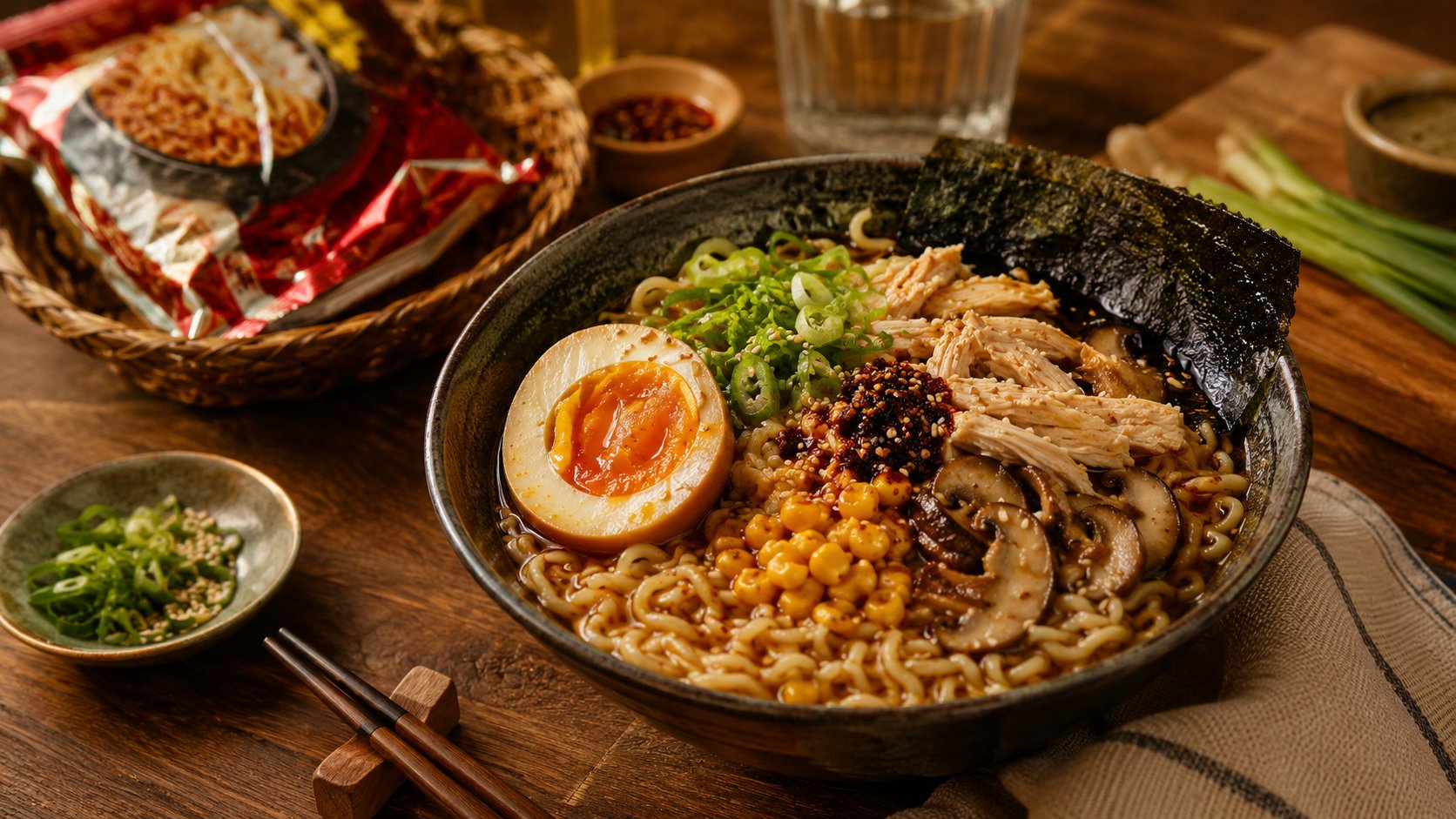
Ramen is the patron saint of cheap food. It is there when your budget is wheezing, your fridge contains one suspicious lemon, and your bank account looks like it was attacked by a raccoon with student loans. Instant ramen asks very little of you: water, heat, and a willingness to ignore the sodium number until after dinner.
But cheap does not have to mean tragic. A packet of instant noodles can become something rich, glossy, spicy, aromatic, and suspiciously close to “restaurant-ish” with a few smart upgrades. Not actual $24 ramen-shop ramen, obviously. Let’s not insult pork bones that simmered for 18 hours. But the goal here is simple: make cheap ramen feel expensive without spending expensive-restaurant money or owning a broth cauldron the size of a baptismal font.
Instant noodles are not some fringe pantry goblin food either. The World Instant Noodles Association estimates global demand hit 123.067 billion servings in 2024, with China/Hong Kong, Indonesia, India, Vietnam, Japan, and the U.S. among the biggest markets. In other words, the entire planet is eating instant noodles while pretending it is a private shame. It is not private. It is global. We are all in the noodle basement together.
The First Rule of Expensive-Tasting Ramen: Stop Treating the Packet Like a Legal Requirement
The seasoning packet is not your boss. It is not a sacred scroll. It is powdered convenience wearing a little silver jacket.
Use it, sure. But use it intelligently. Many instant ramen packs are salty enough to make your tongue file a noise complaint. Nissin Top Ramen Chicken lists 1,590 mg of sodium per full package, while Nongshim Shin Ramyun lists 1,620 mg sodium per bag. For context, the FDA Daily Value for sodium is 2,300 mg, which means one packet can stroll in carrying around 70% of a day’s sodium before you add soy sauce, miso, kimchi, or the emotional-support chili crisp you keep “just for emergencies.”
The move: use half the packet, then build flavor with better ingredients. Garlic. Ginger. Scallions. Miso. Sesame oil. Chili oil. Rice vinegar. Lime. Mushrooms. A little soy sauce. Suddenly the broth tastes intentional instead of like it was formulated by a salt accountant trapped in a factory.
Think Like a Ramen Shop, Not a Dorm Room Gremlin
A real ramen bowl is not just noodles floating in salty water like they missed a bus. Serious Eats breaks ramen down into key components: broth, noodles, tare, aroma oil, and toppings. The tare is the concentrated seasoning base — commonly shoyu, miso, or shio — while aroma oil and toppings add depth, richness, and texture.
This is the secret. You do not need to make “real ramen” from scratch. You just need to fake the structure.
A cheap upgraded bowl needs five things:
Noodles: the packet, obviously. The beige little mattress of survival.
Broth: water, stock, or boosted packet broth.
Tare: miso, soy sauce, chili paste, curry paste, fish sauce, or even peanut butter if you are going creamy.
Aroma oil: sesame oil, chili oil, garlic oil, scallion oil, butter, or the little oil packet from fancier instant noodles.
Toppings: egg, chicken, tofu, mushrooms, greens, corn, scallions, nori, sesame seeds, kimchi, crispy shallots.
That is how cheap ramen stops being “I have given up” and starts being “I have a system.” Annoying, but useful.
Upgrade One: The Jammy Egg, Because Nothing Says “I Have My Life Together” Like a Soft Yolk
The fastest way to make ramen look expensive is an egg. Not because eggs are fancy. They are not. They come from chickens, nature’s loudest little accountants. But a soft-boiled egg with a jammy yolk gives ramen richness, protein, and that glossy restaurant look that makes people on the internet say “obsessed” because apparently we are all legally required to speak like malfunctioning influencers.
A large egg gives about 6 grams of protein and around 70 calories, so it is a cheap way to make ramen more filling without turning the bowl into a meat-funded renovation project.
For a ramen-shop move, make soy-marinated eggs. Serious Eats’ ajitsuke tamago method uses a marinade with water, sake, soy sauce, mirin, and sugar, then cooks eggs for about 6 minutes for liquid yolks or 7 minutes for jammy yolks before marinating.
The lazy version: boil an egg, peel it, and soak it in soy sauce, a splash of rice vinegar, a pinch of sugar, and water for a few hours. Is it perfect? No. Is it wildly better than dropping a naked hard-boiled egg into ramen like a protein asteroid? Yes.
Upgrade Two: Add Fat on Purpose, Not by Accident
Cheap ramen often tastes flat because it has salt but not enough rounded richness. Fat fixes that. Fat carries flavor. Fat makes broth feel silky. Fat is why restaurant food tastes like it has secrets and your home food tastes like “I used restraint and now I’m sad.”
Good ramen fats include:
Sesame oil, for nutty depth.
Chili oil, for heat and color.
Garlic oil, for “why does this smell like a restaurant?” energy.
Butter, especially with miso, corn, and scallions.
A spoonful of tahini or peanut butter, if you want creamy sesame/peanut noodles.
Do not dump in half a bottle of oil like a Victorian lamp exploded. Use a teaspoon or two. The goal is luxurious broth, not noodles bobbing in a petroleum incident.
Upgrade Three: Miso Is the Cheat Code
Miso is one of the best ramen upgrades because it brings salt, umami, body, and fermented depth. It makes cheap broth taste like someone had a thought. Miso ramen is also one of the major ramen seasoning styles, alongside shoyu and shio; Serious Eats notes that if the main tare flavor is miso, the bowl is generally a miso ramen.
Cheap miso upgrade: whisk one tablespoon of miso with a little hot broth in a separate bowl, then stir it into the ramen after turning off the heat. Do not boil the miso to death like a monster. It is fermented paste, not drywall compound.
Make it feel expensive with corn, butter, scallions, chili oil, and a soft egg. This is the “Sapporo-ish without pretending you are in Hokkaido” move. Just One Cookbook lists classic ramen toppings like chashu, menma, green onion, nori, corn, ramen egg, and chili oil, which is basically a permission slip to stop eating plain noodles like you are hiding from society.
Upgrade Four: Scallions Are Not Optional, They Are a Personality
Scallions are the cheapest way to make ramen look and taste better. They add color, freshness, sharpness, and that “somebody cared” effect.
Use them two ways:
Slice the green tops thin and throw them on at the end.
Sizzle the white parts in oil with garlic and ginger before adding water.
That second move is where the fake luxury begins. Garlic and scallions hitting hot oil smell expensive even when the rest of the meal costs less than a parking meter. This is the kind of culinary fraud I support.
Upgrade Five: Mushrooms Make It Taste Like You Paid Rent in Flavor
Mushrooms are ramen’s affordable umami department. Shiitake, cremini, oyster mushrooms, enoki, even regular grocery-store button mushrooms — all of them help.
The cheap move: slice mushrooms and sauté them before adding broth.
The lazier move: toss dried shiitake into the water and let them rehydrate while the broth heats.
The “I’m trying to impress myself” move: brown mushrooms in oil until they actually take on color, then add garlic, soy sauce, and broth. Browning matters. Pale mushrooms are just wet buttons with ambition.
Mushrooms add depth without needing meat, which is useful if your budget is currently making soft whimpering sounds.
Upgrade Six: Protein Makes Ramen a Meal Instead of Warm Noodle Confetti
Instant ramen alone is usually not enough protein to act like dinner. Nissin Top Ramen Chicken lists 9 grams of protein per full package, and Shin Ramyun lists 11 grams per bag. That is not nothing, but it is also not enough to make the bowl stop being mostly noodles doing carbohydrate theater.
Add one of these:
A soft-boiled egg.
Leftover chicken.
Rotisserie chicken.
Tofu cubes.
Frozen shrimp.
Canned tuna or salmon.
Edamame.
Ground pork or turkey.
Dumplings.
A slice of American cheese if you are making creamy Korean-style comfort ramen and do not mind the internet yelling.
Rotisserie chicken is especially good because it is already cooked, already seasoned, and already knows what it wants from life. Shred it, toss it in at the end, and let the broth warm it through.
Tofu works beautifully too, especially in miso or spicy peanut ramen. Cube firm tofu and simmer it gently, or pan-fry it first if you want texture instead of pale soy pillows floating around like apology cubes.
Upgrade Seven: Vegetables, Because Your Bowl Needs Something That Was Alive Recently
Vegetables make ramen better. Not because they are virtuous. Virtue is boring. Vegetables bring crunch, color, sweetness, bitterness, and texture. They also make the bowl look like a meal instead of “noodles photographed during a power outage.”
Best cheap vegetables for ramen:
Frozen corn.
Frozen spinach.
Cabbage.
Bok choy.
Carrots.
Bean sprouts.
Mushrooms.
Peas.
Frozen mixed vegetables, if you are desperate but brave.
Kimchi.
Cabbage is the sleeper pick. It is cheap, lasts forever, and wilts beautifully into broth. Slice it thin and cook it with the noodles. Suddenly your ramen has volume and crunch instead of just being a sodium hammock.
Frozen spinach is another miracle. Add a handful near the end and it disappears into the broth like it owed money, leaving behind color and nutrients. Thank you, spinach, for your brief service.
Upgrade Eight: Peanut Butter Turns Ramen Into Creamy Noodle Sorcery
Peanut butter ramen sounds suspicious until you try it. Then you become the annoying person telling everyone to put peanut butter in noodles, which is a tragic but common life stage.
The Kitchn’s 2026 peanut butter ramen method uses peanut butter, chili garlic sauce, soy sauce, and reserved hot noodle water to make a quick sauce. Budget Bytes also describes peanut butter as an easy way to upgrade instant ramen with more flavor and protein.
The cheap formula:
Cook noodles.
Save some hot water.
Whisk peanut butter, soy sauce, chili crisp or hot sauce, garlic, and a splash of vinegar.
Toss noodles in it.
Top with scallions, sesame seeds, and an egg.
This is not traditional ramen. It is more “pantry noodles wearing a fake mustache.” But it tastes rich, nutty, spicy, and much more expensive than it is. Which is the assignment. Please keep up.
Upgrade Nine: Acid Is the Thing You Forgot
Most bad upgraded ramen has the same problem: salt, fat, heat, no brightness. It tastes heavy. Muddy. Like the broth is wearing a damp coat.
Add acid.
Rice vinegar, lime juice, lemon juice, kimchi brine, pickled ginger, or a splash of black vinegar can wake up the whole bowl. Acid makes rich broth taste intentional instead of sleepy. It is the difference between “deep flavor” and “why do I feel like I drank a couch?”
Use a little at the end. Not half a bottle. This is ramen, not a vinaigrette with noodle debris.
Upgrade Ten: Crunch Makes Cheap Food Feel Designed
Restaurant food often feels expensive because it has contrast. Soft plus crisp. Rich plus bright. Hot plus fresh. Cheap ramen is usually just soft on soft on soft, like eating a warm beige sweater.
Add crunch:
Toasted sesame seeds.
Crushed peanuts.
Fried shallots.
Crispy garlic.
Crushed seaweed snacks.
Bean sprouts.
Cabbage.
Panko toasted in butter.
Chili crisp.
Even crushed chips if you are in full pantry goblin mode.
Crunch is the final trick. It makes the bowl feel composed. Not “I boiled noodles and stared into the middle distance.” Composed.
The Best Cheap Ramen Upgrade Combos
Miso Butter Corn Ramen
Use half the seasoning packet, one tablespoon miso, a small pat of butter, frozen corn, scallions, and a soft egg.
This tastes cozy, rich, and slightly sweet. It is the ramen equivalent of wearing a sweater that has its life together.
Spicy Peanut Ramen
Skip most or all of the packet. Use peanut butter, soy sauce, chili garlic sauce, garlic, a splash of vinegar, and hot noodle water. Add scallions, sesame seeds, and tofu or chicken.
This is creamy, spicy, filling, and cheap enough to make takeout feel like a financial prank.
Kimchi Egg Ramen
Use spicy ramen if you have it. Add kimchi, a soft egg, scallions, and a little sesame oil. Add tofu or leftover meat if you want protein.
Kimchi adds acid, funk, heat, crunch, and the general feeling that the bowl has been awake longer than you have.
Garlic Mushroom Shoyu Ramen
Sauté mushrooms in oil until browned. Add garlic and ginger. Add water, half the packet, a splash of soy sauce, and noodles. Finish with scallions, sesame oil, and nori.
This is the “cheap but moody” bowl. Very rainy-window. Very “I understand broth now.” Calm down, it took eight minutes.
Creamy Cheese Ramen
Use spicy ramen, less water than usual, one slice of American cheese, an egg, scallions, and maybe corn.
This is comfort food with no shame. The cheese melts into the broth and makes it creamy. Is it refined? No. Is it effective? Absolutely. Many things in life are undignified and correct.
Curry Coconut Ramen
Use curry paste or curry powder, coconut milk, broth or water, and half the seasoning packet. Add tofu, mushrooms, spinach, and lime.
This makes cheap noodles taste like a real meal instead of a pantry emergency wearing broth.
Broke Luxury Toppings That Actually Work
Use these when you want ramen to feel expensive without financially injuring yourself.
Scallions: always.
Soft egg: always if you have one.
Corn: especially with miso, butter, or spicy broth.
Nori or seaweed snacks: makes the bowl look 40% more intentional.
Sesame seeds: tiny but effective.
Chili crisp: the condiment equivalent of a leather jacket.
Frozen spinach: cheap color and volume.
Cabbage: budget king.
Mushrooms: umami without bankruptcy.
Rotisserie chicken: protein without effort.
Fried shallots: instant restaurant cosplay.
Pickled ginger: brightness and drama.
Things That Sound Fancy but Usually Make Ramen Worse
Truffle oil. Stop it. Cheap ramen does not need to smell like a confused hotel lobby.
Too much soy sauce. You already have salt. Do not create a Dead Sea tribute bowl.
Too many toppings. Ramen is not a garage sale. Pick a direction.
Raw garlic dumped in at the end. Unless you want your broth to taste like an argument.
Boiling the noodles forever. Overcooked ramen noodles turn into limp sadness strings. Cook them slightly under, especially if they will sit in hot broth.
Using all the broth water when making dry or saucy noodles. If you want creamy peanut ramen or chili oil noodles, drain most of the water and use just enough to emulsify the sauce. Otherwise you get peanut soup, which sounds like something served in a cursed cafeteria.
How to Plate Cheap Ramen So It Looks Expensive
Yes, plating matters. No, this does not make you pretentious. It makes you tired of eating from the pot like a raccoon with custody issues.
Use a real bowl. Ideally a deep one.
Put noodles in first, twisted into a little pile if you can be bothered.
Pour broth around the noodles, not violently over them like you are punishing soup.
Place toppings in sections: egg on one side, greens on another, mushrooms together, scallions on top.
Finish with oil, sesame, nori, or chili crisp.
This takes 20 seconds and makes the bowl look like food instead of evidence.
The Sodium Problem, Because Reality Is Annoying
Instant ramen can be delicious and also wildly salty. These things are not enemies. They are roommates. A full packet of common instant ramen can contain around 1,600 mg sodium, and the FDA’s Daily Value is 2,300 mg. That does not mean you can never eat instant ramen. It means maybe do not add the full packet, soy sauce, miso, kimchi, fish sauce, and salty meat unless your plan is to become a human bouillon cube.
Easy sodium cuts:
Use half the seasoning packet.
Use unsalted or low-sodium broth if adding stock.
Add acid and aromatics instead of more salt.
Choose fresh toppings like scallions, cabbage, mushrooms, spinach, and egg.
Do not drink every drop of broth if the sodium number is already acting like a small emergency.
This is not fearmongering. It is just math, the least delicious ingredient.
Cheap Ramen Can Feel Expensive If You Build It Like a Bowl, Not a Cry for Help
The difference between sad ramen and great cheap ramen is not money. It is structure.
Use the packet as a starting point, not a dictator. Add aroma with garlic, ginger, scallions, sesame oil, or chili oil. Add body with miso, peanut butter, butter, or coconut milk. Add protein with eggs, tofu, chicken, shrimp, or canned fish. Add vegetables so the bowl has color and texture. Add acid so it does not taste like salty fog. Add crunch so it feels finished.
That is it.
You do not need a ramen shop in your kitchen. You do not need pork bones, a pressure cooker, three days, and a spiritual crisis. You need a packet of noodles, a few pantry upgrades, and the courage to stop treating the seasoning packet like it came down from a mountain carved into stone.
Cheap ramen can feel expensive. Not because you made it fancy. Because you made it thoughtful.
And in a world where people are paying restaurant money for noodles served in a bowl the size of a birdbath, that tiny act of pantry wizardry feels like beating the system with a soft-boiled egg and a spoonful of chili oil.