How to Pick a Restaurant That Feels Expensive but Is Actually Cheap
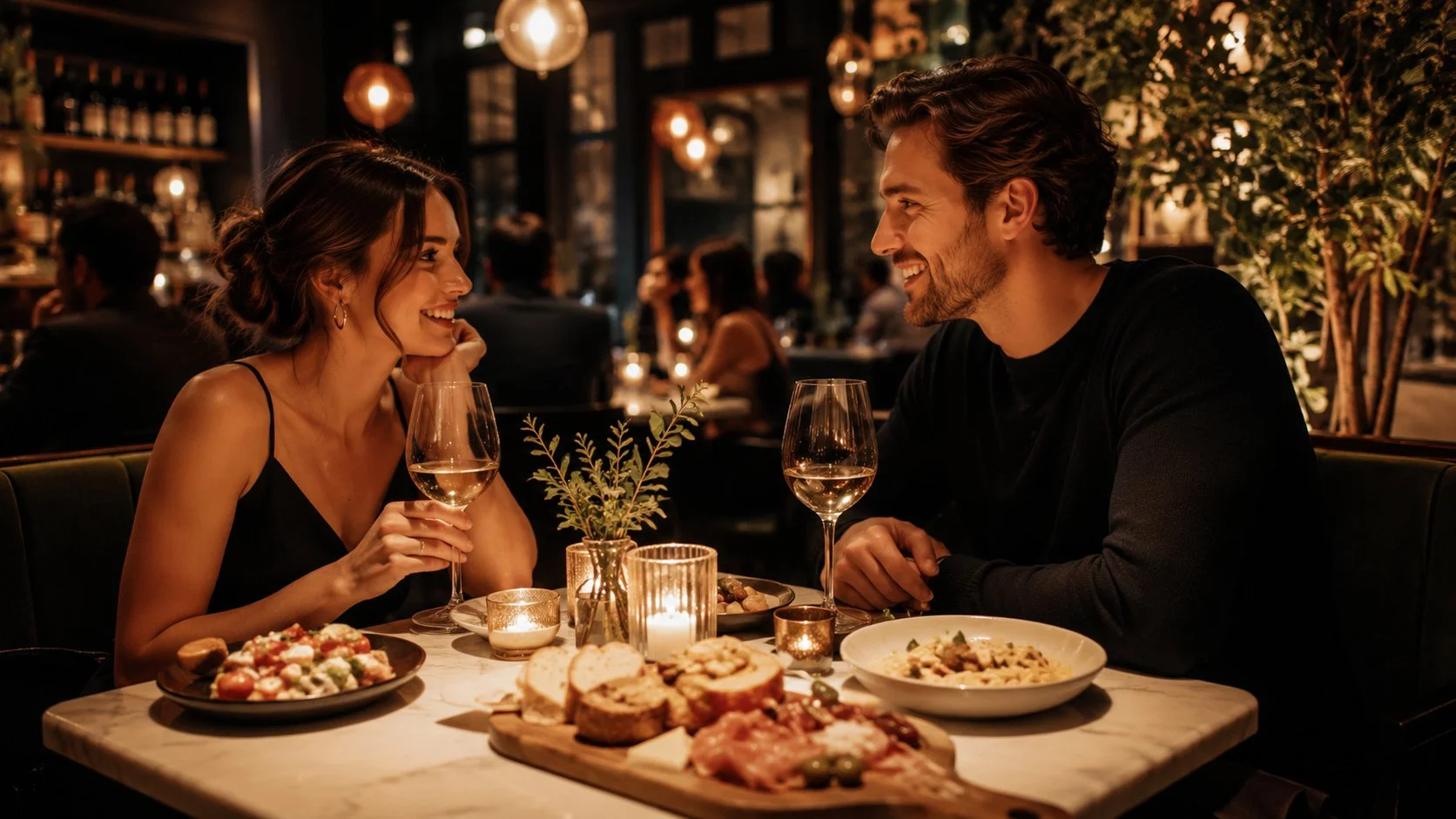
Picking a restaurant that feels expensive but is actually cheap is one of adulthood’s great dark arts, right up there with folding fitted sheets, pretending to understand wine, and leaving Target with only the thing you came for. The goal is simple: you want the lighting, the plating, the service, the “we are people of culture” atmosphere — without the bill arriving like a tiny paper eviction notice.
The trick is knowing the difference between expensive and expensive-feeling.
Expensive is $38 chicken breast with two lonely carrots arranged like they’re mourning a relative. Expensive-feeling is a place with good lighting, real glassware, a tight menu, thoughtful food, and prices that don’t require you to text your bank, “Are we still friends?”
This skill matters more than ever because diners still want restaurants, but budgets are not exactly skipping through a meadow. The National Restaurant Association projects U.S. restaurant sales will reach $1.55 trillion in 2026, but says growth is driven by people dining out “as budgets allow.” Meanwhile, restaurant menu prices were up 3.6% year over year in April 2026, slower than earlier inflation peaks but still very much present, like a raccoon in the attic wearing tap shoes.
So yes, finding the fake-fancy bargain restaurant is not cheap behavior. It is survival with flattering lighting.
Start With the Bib Gourmand, Not the Influencer Holding a Fork Like a Microphone
The easiest place to find restaurants that feel special without costing a kidney is the Michelin Bib Gourmand list. Michelin says the Bib Gourmand recognizes restaurants that serve high-quality food at great value, with price thresholds varying by country but the same general principle worldwide: strong value for money.
This is exactly what you want. Not necessarily white-tablecloth fine dining. Not necessarily a tasting menu where one leaf arrives on a stone and everyone pretends to be moved. Bib Gourmand restaurants are often the places doing excellent noodles, dumplings, regional cooking, bistros, trattorias, barbecue, curries, tacos, mezze, or neighborhood food with actual skill.
Translation: restaurants where the chef cares, the bill does not threaten you, and nobody uses the word “journey” unless they are pointing to the bathroom.
Do not just search “best restaurants.” That search is full of places with $28 cocktails and chairs designed by someone who hates lower backs. Search:
“Bib Gourmand near me”
“best value restaurants”
“date night under $50”
“affordable tasting menu”
“prix fixe lunch”
“happy hour oysters”
“BYOB restaurants”
“best cheap eats that feel fancy”
Yes, you are gaming the system. Good. The system has been gaming you with $19 cauliflower for years.
Look for Lunch Menus, Because Dinner Pricing Has Main-Character Syndrome
A restaurant that is expensive at 8 p.m. can be weirdly affordable at noon. This is because lunch menus are often designed to get people in and out without asking them to take out a small loan for duck.
Lunch is where fancy restaurants loosen their tie. You might find the same kitchen, same room, same service, same bread, same bathroom soap that smells like a Scandinavian forest having an identity crisis — but with lower prices.
Look for:
Prix fixe lunch menus.
Two-course lunch specials.
Bar lunch menus.
Weekday specials.
Pre-theatre menus.
Early dinner menus.
This is the restaurant equivalent of buying designer clothes at an outlet, except instead of last season’s trousers, you get handmade pasta and the smug glow of beating capitalism by 2:15 p.m.
Happy Hour Is Where Fancy Restaurants Put on a Fake Mustache and Become Affordable
Happy hour is one of the best ways to eat somewhere that feels expensive without paying full dinner prices. And this is not just a dive-bar nacho situation anymore. In 2026, even polished restaurants are using happy hour to bring people in during slower times, with deals like discounted oysters, sushi, cocktails, small plates, and bar snacks. The San Francisco Chronicle reported that Bay Area restaurants, including higher-end places, have been adding happy hours to feel more accessible to budget-conscious diners.
The move is simple: go early, sit at the bar, order the happy-hour food, and do not immediately destroy the savings by ordering three full-price cocktails named after tragic European poets.
Best happy-hour value signs:
The food menu has real dishes, not just olives and “crisps.”
The restaurant is normally pricier at dinner.
The bar seating is comfortable.
The deal includes proteins, oysters, dumplings, skewers, sliders, tartines, tacos, or pasta.
The cocktail discount is good, but not the entire point.
Bad happy hour: $2 off a $21 cocktail and a plate of fries that costs more than a streaming subscription. That is not a deal. That is a restaurant whispering “peasants” into a rocks glass.
Pick the Restaurant With a Small Menu, Not a Laminated Novel
A short menu is often a good sign. It usually means the kitchen knows what it does well, buys fewer ingredients, wastes less, and has not built a culinary escape room with 97 options.
Restaurants that feel expensive but stay cheap often specialize. They are not trying to be Thai, Italian, brunch, burgers, sushi, and “global tapas” under one roof like a food court got a publicist.
Good signs:
Eight to twelve mains.
A tight wine or drinks list.
Seasonal specials.
House-made sauces, bread, noodles, dumplings, pickles, pasta, or desserts.
A clear point of view.
Bad signs:
A menu longer than a lease agreement.
Every cuisine on Earth represented by one sad dish.
Photos of every item.
“Truffle” appearing suspiciously often.
Anything called “elevated comfort bites” without prices that comfort you back.
A focused menu feels expensive because it suggests intention. A giant menu feels cheap because it suggests a freezer full of backup singers.
Learn Which Cuisines Give You Luxury per Dollar
Some cuisines are naturally better at delivering big experience for less money. Not because they are “cheap cuisines,” which is a dumb and mildly insulting phrase, but because certain food traditions use technique, spices, fermentation, dough, broth, legumes, rice, noodles, and slow cooking to create enormous flavor without relying on $48 steak as a personality.
High luxury-per-dollar cuisines often include:
Vietnamese.
Thai.
Korean.
Indian.
Pakistani.
Chinese regional restaurants.
Japanese ramen, izakaya, udon, soba, and curry spots.
Mexican regional restaurants.
Lebanese, Syrian, Turkish, Persian, and Armenian restaurants.
Ethiopian and Eritrean restaurants.
Caribbean spots.
Portuguese grill houses.
Italian neighborhood trattorias.
French bistros at lunch.
A bowl of pho can feel richer than a sad steakhouse appetizer. A thali can give you more variety than a tasting menu designed by a man with tweezers and unresolved childhood issues. A charcoal-grilled kebab platter with fresh bread, pickles, garlic sauce, and salad can absolutely demolish a $34 “seasonal chicken” dish that looks like it was plated during a power outage.
The best cheap-expensive restaurant is often not pretending to be fancy. It is just very, very good at what it does.
Use the Menu to Spot Fake Fancy
Menus reveal everything. They are restaurant X-rays, except with more burrata.
A restaurant that feels expensive but is actually cheap usually has reasonable anchor prices. Maybe appetizers in the $8–$16 range, mains in the $18–$28 range, good lunch options, and a couple of splurge items that do not hijack the entire menu.
A restaurant that only pretends to be value will have little traps everywhere.
Watch for:
Sides sold separately for everything.
Tiny small plates that require ordering six per person.
Vague “market price” items.
A cheap entrée section but wildly expensive drinks.
Bread that costs $14.
“Add protein” prices that feel like ransom notes.
Desserts priced like minor appliances.
Also, be aware that menu design itself can nudge spending. A Cornell study found that diners at an upscale casual restaurant spent more when menus used numeral-only prices without dollar signs compared with menus that used dollar signs or written-out prices.
So when you see a menu saying:
“roasted chicken 28”
instead of:
“Roasted chicken — $28.00”
understand what is happening. The restaurant has removed the little psychological slap of the dollar sign. Very elegant. Very clever. Very “your wallet is being anesthetized before surgery.”
Look at the Room, Not Just the Food Photos
A restaurant feels expensive because of the total sensory package: lighting, sound, spacing, plates, glassware, bathrooms, uniforms, music, menu design, and the degree to which the chairs do or do not feel like a punishment from a minimalist cult.
Research on restaurant atmospherics consistently finds that ambience matters to satisfaction and behavior; studies point to lighting, music, scent, temperature, layout, and design as influential parts of the dining experience.
This is your advantage. You are not just shopping for food. You are shopping for atmosphere.
Signs a cheap restaurant will feel expensive:
Warm lighting, not interrogation-room brightness.
Real plates, not sad black plastic rectangles.
Clean, simple design.
Good spacing between tables.
A visible open kitchen or bar.
Nice glassware.
A bathroom that does not look like it has seen a war.
Staff who seem calm instead of hunted.
The food can be affordable, but the room must not feel like a bus station with cumin.
Search Photos for Plates, Lighting, and Portion Reality
Before booking, look at customer photos. Not the restaurant’s professional photos, where every dish is lit like it’s about to announce an engagement. Customer photos tell the truth.
You are looking for three things:
First, lighting. If every photo looks warm and flattering, the room probably feels nicer than the price suggests. If every photo looks like it was taken inside a dentist’s refrigerator, proceed with caution.
Second, plating. You want clean plating, thoughtful garnishes, nice bowls, generous sauces, and food that looks intentional. Not necessarily tiny. Intentional.
Third, portion reality. If 900 reviews say “great vibe but tiny portions,” believe them. People lie to themselves all the time, but they are weirdly honest when hungry.
Avoid places where every photo is just a neon sign, a fake flower wall, and a cocktail smoking like it has elected a pope. That is not a restaurant. That is a selfie booth with calamari.
Read Reviews for the Right Words
Do not just look at star ratings. Star ratings are emotional confetti. One person gives five stars because the server called them “hon,” another gives one star because parking was “a journey.” Humanity is exhausting.
Read for patterns.
Good review phrases:
“Great value.”
“Feels upscale.”
“Cozy date night.”
“Affordable tasting menu.”
“Best lunch deal.”
“Happy hour is a steal.”
“House-made.”
“Small menu but everything is good.”
“Great service for the price.”
“BYOB.”
“Neighborhood gem.”
“Better than it looks from outside.”
Bad review phrases:
“Overpriced for what it is.”
“Paying for the vibe.”
“Tiny portions.”
“Instagram place.”
“Beautiful but bland.”
“Drinks were the best part.”
“Needed food after.”
“Service charge surprise.”
“Everything is extra.”
If multiple people say they stopped for pizza afterward, the restaurant is not “refined.” It is a hunger-themed art installation.
Sit at the Bar Like a Person Who Knows Things
Bar seating is the cheat code. Many expensive-feeling restaurants have a more affordable bar menu, better happy-hour pricing, easier walk-in access, and a more casual ordering rhythm.
At the bar, you can often order:
One great appetizer.
One shared entrée.
A burger from the bar menu.
Oysters.
A small pasta.
A glass of wine instead of a full bottle.
Dessert without committing to the whole theatrical dinner parade.
The bar also makes the meal feel lively and grown-up, even if you are absolutely calculating whether you can afford the burrata. Very chic. Very “financially alert.”
Choose Restaurants With Expensive Techniques and Cheap Ingredients
The smartest bargain restaurants use technique to make affordable ingredients feel luxurious.
This is where the magic is. Anyone can make lobster expensive. Congratulations, Neptune has pricing power. The real skill is making cabbage, lentils, chicken thighs, noodles, potatoes, beans, sardines, eggs, rice, mushrooms, or pork shoulder feel like an event.
Look for dishes like:
Handmade pasta.
Braised meats.
Dumplings.
Noodles.
Curries.
Stews.
Charcoal-grilled skewers.
Confit chicken.
House-made bread.
Fermented vegetables.
Roasted cabbage.
Bean spreads.
Rice bowls.
Seasonal vegetables with serious sauce.
A restaurant that can make lentils exciting is a restaurant with actual talent. A restaurant charging $42 for plain salmon and asparagus is just seafood wearing cologne.
Beware the “Affordable” Restaurant With Expensive Drinks
Food prices can look reasonable while the drinks commit war crimes.
A $22 entrée is lovely. But if every cocktail is $19, every glass of wine is $17, and sparkling water arrives with the confidence of a real estate closing, your “cheap” dinner just put on a monocle and stole your wallet.
Check the drink menu before booking. Always.
Good signs:
House wine by the glass at reasonable prices.
Carafes.
Low- or no-alcohol options.
Happy-hour drinks.
Corkage listed clearly.
BYOB where legal.
Bad signs:
No drink prices online.
Cocktail list longer than the food menu.
Every cocktail has six ingredients and a backstory.
Wine list starts at “please sit down.”
Server opens with “still or sparkling” like a tiny luxury tax collector.
You can absolutely go to a nice restaurant and drink water. Do not let anyone shame you. Hydration is free unless the restaurant has figured out how to plate it.
BYOB Can Be a Secret Weapon, But Check Corkage Like an Adult
BYOB restaurants can feel expensive for much less because alcohol markup is one of the classic ways dinner becomes a financial sinkhole with napkins. Bring a bottle you like, pay a reasonable corkage fee, and suddenly your meal feels civilized without the wine list punching you in the throat.
But check the corkage first. BYOB is only a deal if the fee is reasonable. If corkage costs more than the wine, congratulations, you have invented sadness with stemware.
Best BYOB targets:
Small chef-owned restaurants.
Neighborhood bistros.
Regional restaurants.
Places with strong food and minimal bar programs.
Restaurants known for date nights but not luxury pricing.
BYOB is not cheap behavior. It is logistics. Classy logistics, if you bring something better than a gas-station merlot with a screw cap and a label that looks like a haunted vineyard.
Avoid the Tourist Zone Unless You Enjoy Paying Rent to a View
Tourist-district restaurants often have one job: capture people who are already nearby and too tired to think. That does not mean they are all bad. It means the economics are often cursed.
You are paying for:
Location.
Foot traffic.
View.
Convenience.
A menu translated into seven languages.
The emotional vulnerability of hunger near a landmark.
The better move is to walk ten to fifteen minutes away from the main attraction. Not into a swamp. Just out of the immediate “we can charge $27 for a Caesar salad because the museum is across the street” blast radius.
Search nearby neighborhoods, not just “restaurants near [landmark].” The best value is often one transit stop, one side street, or one non-photogenic block away. This is where the rent drops and the cooking improves because the restaurant needs repeat locals, not confused tourists with sunburn and stroller fatigue.
Pick the Place Locals Use for Dates, Birthdays, and “Nice But Not Insane”
There is a perfect category of restaurant: local special occasion, but not financial violence.
These are places where people go for birthdays, anniversaries, a casual date, dinner with parents, or “I want a nice night but I also enjoy paying rent.” They often have candles, decent service, good food, and a bill that is high enough to feel like an outing but not high enough to require a second identity.
Search phrases like:
“affordable date night restaurant”
“cozy restaurant great value”
“birthday dinner under $40 per person”
“best neighborhood bistro”
“casual fine dining value”
“romantic restaurant inexpensive”
The phrase “neighborhood gem” is overused, yes, but sometimes it points to exactly the thing: a restaurant with regulars, care, and prices that have not been inflated by a PR agency wearing linen.
The Best Cheap-Expensive Formats
Some restaurant formats naturally create a high-end feeling for less money.
Wine bars with food
Order one or two plates, sit somewhere moody, drink one glass, and feel like a character in a French film who still checks their credit card balance.
Izakayas
Small plates, grilled skewers, noodles, beer, good lighting, lots of variety. Dangerous if you over-order, excellent if you show restraint like a rare and beautiful adult.
Ramen shops
A great bowl of ramen feels luxurious because broth, noodles, egg, pork, aromatics, and steam create drama. It is basically theatre for people who like soup.
Regional Chinese restaurants
Dumplings, noodles, hot pots, braised dishes, crispy pancakes, and big shared plates can feel abundant and exciting without steakhouse pricing.
Middle Eastern restaurants
Fresh bread, dips, grilled meats, pickles, herbs, rice, salads, and sauces create the illusion of a feast because, frankly, it often is one.
Bistros at lunch
Steak frites, mussels, omelets, roast chicken, salad, bread, dessert. Classic for a reason. France did not spend centuries perfecting lunch so you could eat a sad desk wrap.
Chef-owned casual spots
These are the golden geese: serious cooking, casual pricing, less corporate nonsense. If the chef-owner is in the kitchen and the menu is tight, investigate immediately.
What “Cheap but Expensive-Feeling” Should Actually Cost
This depends on your city, obviously. A “cheap” restaurant in New York, Toronto, Vancouver, London, or San Francisco may still make a small-town diner faint into their napkin.
But generally, look for:
Lunch under $20–$30 per person.
Dinner under $35–$50 per person before alcohol.
Happy-hour snacks under $8–$15.
A good main under $25–$30.
Dessert under $10–$14.
A glass of wine under $12–$16, depending on city.
A prix fixe under $35–$55.
The goal is not “the cheapest food possible.” That is how you end up eating fluorescent pizza under a sad heat lamp. The goal is maximum perceived luxury per dollar.
There is a difference between cheap and value. Cheap is a $9 meal that tastes like cardboard had a nervous breakdown. Value is a $24 handmade pasta in a candlelit room that makes you briefly forget your inbox exists.
Red Flags That the Restaurant Is Fake Affordable
Watch out for the restaurant that looks cheap at first glance but is actually a little bill trap dressed in minimalist typography.
Red flags:
The menu has no prices online.
The restaurant only shows cocktails and vibes on Instagram.
Portions look tiny in customer photos.
Reviewers praise the decor more than the food.
The cheapest main is vegetarian pasta at $29.
Every protein add-on costs $12–$18.
Sides are mandatory but separate.
Bread is extra.
Sauces are extra.
Reservations require a deposit for a normal weeknight.
The words “curated,” “immersive,” or “elevated” appear too often.
“Elevated” is especially suspicious. It often means “we put the normal food on a smaller plate and doubled its self-esteem.”
Final Checklist: How to Pick the Right Place
Pick a restaurant that has at least four of these:
A Bib Gourmand, critic value nod, or strong local reputation.
A focused menu.
Good lighting in real customer photos.
Mains that mostly stay in a reasonable range.
Lunch, happy hour, prix fixe, or bar menu deals.
Reviews mentioning value, date night, service, and atmosphere.
A cuisine known for big flavor without luxury ingredients.
House-made items.
Comfortable seating and real plates.
Clear drink prices.
No major “tiny portions” complaints.
If it has all of these, book it. If it has none of these but owns a neon sign that says “Good Vibes Only,” flee. That sign is not decor. It is a warning label.
Expensive-Feeling Cheap Restaurants Are Real, but You Have to Stop Being Seduced by Fake Luxury
The best restaurant that feels expensive but is actually cheap is usually not the flashiest place in town. It is not the restaurant with the flower wall, the gold forks, the smoky cocktails, and the $18 fries described as “hand-cut potato experience.”
It is the place with warm lighting, sharp cooking, a short menu, smart pricing, good service, and food that tastes like someone cared before the branding team arrived with beige fonts.
Use Bib Gourmand lists. Hunt lunch menus. Respect happy hour. Sit at the bar. Read the menu like it owes you money. Check customer photos. Avoid tourist-zone rent traps. Choose cuisines where technique and flavor do more work than luxury ingredients. And never confuse “expensive-looking” with “good.”
A restaurant does not need to cost a fortune to feel special. It just needs the right mix of atmosphere, food, service, timing, and restraint.
And if you find the place with candlelight, handmade noodles, a $24 main, a $9 dessert, and no one charging you $14 for bread, protect it. Cherish it. Tell only your coolest friends.
Because once TikTok finds it, the burrata gets smaller, the cocktails get foggier, and suddenly the menu says “seasonal cabbage 23” like cabbage just got back from studying abroad.