
The Hell’s Kitchen Recipe for Making Chicken Breast Exciting
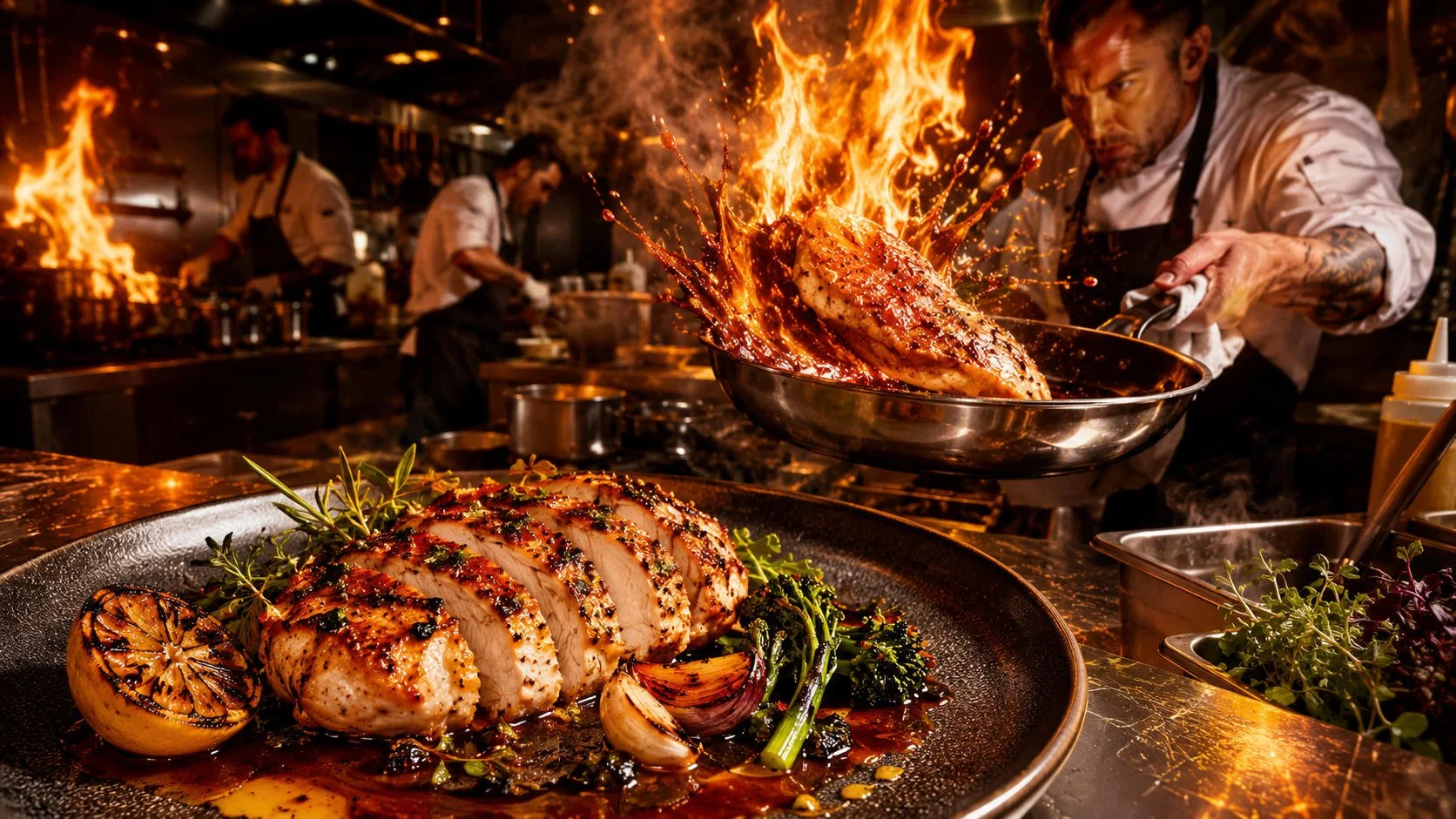
Chicken breast has a branding problem. It is the protein of gym meal-prep containers, airport salads, and people who say “food is fuel” with the haunted eyes of someone who has not enjoyed lunch since 2018. It is lean. It is polite. It is always five seconds away from becoming drywall with grill marks.
But the problem is not chicken breast. The problem is what people do to it. They buy boneless, skinless chicken breasts the size of throw pillows, sprinkle them with fear and paprika, cook them until the USDA could use them as structural material, and then blame the bird. Very brave. Truly, the poultry justice system at work.
The Hell’s Kitchen solution is not magic. It is technique wearing a chef coat and yelling at you from across the pass. Gordon Ramsay’s chicken breast method, as explained in his MasterClass material, emphasizes room-temperature chicken, skin-on breasts, a screaming-hot pan, minimal fiddling, butter basting, and an oven finish. His restaurant menus also show the real lesson: chicken breast becomes exciting when it gets texture, sauce, sharp sides, and enough supporting cast to stop looking like a punished entrée. Hell’s Kitchen locations list versions such as pan-roasted chicken breast with bread pudding, fennel, herb streusel, and apple chicken jus, or airline chicken breast with purée, roasted vegetables, crispy sage, and apple chicken jus.
That is the recipe. Not one secret ingredient. Not a $39 spice blend sold by a man with a goatee. A system.
The First Hell’s Kitchen Chicken Breast Rule: Keep the Skin, You Coward
The boneless, skinless chicken breast has done more damage to dinner than any single ingredient besides fat-free ranch. Removing the skin from chicken breast and then wondering why it tastes dry is like removing the tires from a car and complaining about the commute.
Skin is not decorative. It is insulation, texture, flavor, and the difference between “pan-roasted chicken” and “protein rectangle.” Ramsay’s chicken suprême approach uses boneless, skin-on chicken breast because crispy seared skin adds flavor, moisture, and texture. MasterClass also notes that chicken breast dries out easily compared with fattier cuts, which is chef-speak for “this thing will betray you unless you give it help.”
Skin gives the dish a top layer that can actually brown. Browning matters. A pale chicken breast looks like it has been homeschooled in a basement. A golden chicken breast looks like dinner made eye contact with competence.
The skin also buys you time. It protects the meat from direct heat, renders fat into the pan, and creates those crispy edges that make people believe you did something impressive instead of merely following basic instructions, which, in fairness, is impressive in this economy.
Chicken Breast Needs Color, Not Positive Affirmations
There is a reason the Hell’s Kitchen universe is obsessed with color. Browning creates flavor. The pan is not just a heating surface; it is a tiny battlefield where blandness goes to die, assuming you stop poking the chicken every eleven seconds like a raccoon investigating a doorbell camera.
Ramsay’s method tells cooks to wait until the pan is hot enough to sizzle before adding chicken, then leave it alone until the skin releases and browns around the edges. That “do not move it” part is where many home cooks collapse emotionally. They put food in a pan and immediately start sliding it around like they are defusing a bomb with tongs.
Leave it. Let it form a crust. The chicken is not lonely.
The difference between seared chicken and steamed sadness is confidence. Hot pan. Dry skin. Enough oil. Skin side down. Patience. The chicken will tell you when it is ready because it will release from the pan. If it is sticking like a bad relationship, it probably needs more time.
The Butter Baste: Because Dry Chicken Is a Cry for Help
Once the chicken has color, the butter arrives, because civilization occasionally produces good ideas. Ramsay’s chicken breast method uses butter with thyme and garlic, spooning the foaming butter over the chicken before finishing it in the oven. This is not garnish. This is rescue work with dairy.
Butter basting does several things at once. It seasons the skin. It carries the flavor of garlic and herbs. It gives the chicken gloss. It makes the kitchen smell like someone competent lives there, even if your cutting board is balanced over the sink because you ran out of counter space.
The key is not to burn the butter into bitter brown regret. Lower the heat once the chicken is seared. Add butter, smashed garlic, and thyme or rosemary. Tilt the pan. Spoon the butter over the top like you are moisturizing the bird for a luxury spa treatment it absolutely did not consent to.
This is where chicken breast stops being diet food and starts being dinner.
Finish Chicken Breast in the Oven, Not in a Panic
Trying to cook a thick chicken breast completely on the stovetop is how you get a burned exterior, raw center, and a personality shaped by anxiety. The Hell’s Kitchen-style move is stovetop-to-oven: sear for color, then transfer the whole oven-safe pan to finish gently.
This matters because chicken breast is thick and unforgiving. A hard sear gives you the crust; the oven gives you even cooking. MasterClass has Ramsay sear the chicken, baste it, then bake it until cooked through. The USDA’s food-safety guidance says poultry, including chicken breasts, should reach 165°F internal temperature, so use a thermometer unless your preferred cooking method is “guess and pray.”
And yes, rest the chicken. Do not slice it the second it leaves the oven like a person with no impulse control and a dull knife. Resting gives the juices time to redistribute instead of flooding your cutting board in a sad little chicken puddle.
The Pan Sauce Is the Plot Twist
If you throw away the browned bits in the pan, you are not cooking. You are abandoning evidence.
The pan sauce is what turns chicken breast from “fine” into “wait, did you make this?” Those browned bits, also called fond by people who own aprons with opinions, are concentrated flavor. After the chicken rests, pour off excess fat, add shallots or garlic, deglaze with wine, brandy, stock, cider, lemon juice, or even a splash of apple juice, then reduce. Finish with butter. Pretend you are calm.
Ramsay’s chicken suprême notes describe a pan sauce built by deglazing the pan and adding aromatics and herbs rather than relying on a traditional cream-based suprême sauce. Hell’s Kitchen restaurant menus also make the same point without lecturing: chicken is often paired with jus, whether apple chicken jus, truffle chicken jus, or chicken jus used to finish other dishes.
That is the restaurant trick. The chicken is not expected to carry the whole emotional burden of dinner. It gets sauce. It gets help. It gets a supporting actor who knows how to say, “No, this was not meal prep.”
The Hell’s Kitchen-Style Chicken Breast Formula
This is not an official Hell’s Kitchen recipe. This is the home-cook formula the restaurant logic teaches, because unless you have a brigade of line cooks and a man shouting about risotto in your kitchen, you need something realistic.
Start with skin-on chicken breast, ideally airline breast if you can find it, which is just chicken breast with the wing bone attached so it looks fancy and slightly more important than it is. Pat it dry. Salt it early. Let it sit at room temperature briefly while the oven heats.
Use a stainless steel or cast iron pan. Add a high-heat oil. Place the chicken skin-side down when the pan is hot. Do not move it until the skin browns and releases. Flip it. Add butter, crushed garlic, thyme, and maybe rosemary. Baste until the chicken looks glossy and smug. Finish in the oven until the thickest part reaches 165°F. Rest it.
Then make the sauce in the same pan. Shallot, garlic, wine or stock, lemon, cider, or brandy. Reduce. Butter. Taste. Salt. A little acid at the end. Spoon it over the sliced chicken like you are apologizing to every dry breast you cooked in 2012.
That is the formula: skin, sear, baste, roast, rest, sauce. Six words. A tiny poultry constitution.
Make the Sides Do Actual Work
A plate of chicken breast and plain broccoli is not dinner. It is a hostage situation with fiber.
Hell’s Kitchen menus do not just toss chicken on a plate and call it character-building. The chicken comes with purées, roasted vegetables, fennel, bread pudding, crispy sage, potatoes, artichokes, kale, jus, streusel, or other textural nonsense that makes the whole plate feel designed. The official Hell’s Kitchen Foxwoods menu lists pan-roasted chicken breast with mushroom and foie gras bread pudding, shaved fennel, herb streusel, and apple chicken jus; the Southern California menu lists airline chicken breast with parsnip purée, roasted root vegetables, crispy sage, and apple chicken jus.
At home, you do not need foie gras bread pudding unless you enjoy making dinner sound like a lawsuit. But you do need contrast.
Pair chicken with something creamy, something sharp, and something crunchy. Potato purée, polenta, mashed cauliflower, white beans, or yogurt sauce gives softness. Lemon, vinegar, pickled onions, fennel salad, apple, capers, or mustard gives brightness. Crispy sage, toasted breadcrumbs, nuts, fried shallots, croutons, or roasted potato edges give crunch.
This is how restaurants make chicken breast exciting: they do not serve it alone, because even chicken breast knows it is not interesting enough to headline a one-bird show.
Lemon, Herbs, and Jus: The Holy Trinity of “I Tried”
The Hell’s Kitchen Cookbook includes a lemon and thyme roasted chicken breast with sweet corn polenta, sautéed spinach, and chicken jus, according to Eat Your Books’ recipe index. That lineup is not accidental. Lemon gives acid. Thyme gives aroma. Polenta gives comfort. Spinach gives green credibility. Jus gives the whole thing a restaurant mustache.
This is the easiest way to upgrade chicken breast without joining a culinary cult. Use lemon zest before cooking, lemon juice after cooking, and herbs somewhere in between. Zest is perfume. Juice is brightness. Herbs make everything smell less like a suburban protein emergency.
Do not dump dried Italian seasoning on the chicken and call it Tuscan. Tuscany has suffered enough. Use fresh thyme, rosemary, parsley, sage, or tarragon. Or use one strong dried spice direction: smoked paprika and garlic, cumin and coriander, curry powder and yogurt, chili and lime. Pick a lane. Chicken breast is bland enough without being forced through a flavor identity crisis.
Thin Chicken Breast Has Its Own Path to Glory
Not every chicken breast has to be a thick, skin-on, pan-roasted situation. Sometimes dinner needs to happen before everyone starts eating shredded cheese from the bag like feral interns.
For boneless, skinless chicken breast, pound it thin. This is not aggression; it is geometry. Thin chicken cooks quickly and evenly, which means less time for the meat to dry out into poultry chalk. Dredge it lightly in flour, sear it fast, and make a pan sauce with lemon, capers, butter, and stock. Congratulations, you have chicken piccata, also known as “chicken breast pretending it went to finishing school.”
Or make chicken scallopini, which appears on Hell’s Kitchen menus in Atlantic City and Lake Tahoe with potatoes, artichokes, kale or similar greens, and chicken jus. That is a big clue: thin chicken breast gets exciting when it has crisp edges, a punchy sauce, and vegetables that are not just steamed into submission.
Thin chicken is not lesser chicken. It is chicken with a better time-management strategy.
The Mistakes That Make Chicken Breast Boring
The first mistake is underseasoning. Chicken breast is not naturally charismatic. It needs salt. Season before cooking, not after, unless you enjoy flavor that sits on top like a bad hat.
The second mistake is wet chicken. Moisture is the enemy of browning. Pat the surface dry. If the skin is wet, it will steam, and steamed chicken skin has the texture of a regrettable handshake.
The third mistake is overcrowding the pan. A pan packed with chicken breasts does not sear; it sweats. You are making dinner, not running a poultry sauna.
The fourth mistake is skipping sauce. Dry chicken plus no sauce is basically edible filing cabinet material. Even a fast sauce matters: mustard and cream, lemon and butter, yogurt and herbs, salsa verde, chimichurri, pan juices with stock, hot honey, miso butter, tahini lemon sauce. Something. Anything. Give the chicken a reason to believe in itself.
The fifth mistake is serving it whole and naked. Slice it. Fan it over something. Spoon sauce over the cut side. Add herbs. Suddenly it looks intentional instead of medically prescribed.
A Simple Hell’s Kitchen-Inspired Chicken Breast Dinner
Here is the practical version for a normal human kitchen, not a televised pressure cooker populated by people named “Chef” and panic.
Use two skin-on chicken breasts, salt, pepper, oil, butter, garlic, thyme, one shallot, half a cup of chicken stock, a splash of white wine or apple cider, lemon juice, and a spoonful of Dijon mustard if you have it.
Sear the chicken skin-side down in a hot pan until deeply golden. Flip, add butter, garlic, and thyme, and baste. Finish in a hot oven until the chicken reaches 165°F. Rest it. Pour off extra fat, leaving the browned bits. Sauté shallot in the pan, deglaze with wine or cider, add stock, reduce, whisk in Dijon and butter, then finish with lemon.
Serve with mashed potatoes, roasted carrots, sautéed spinach, or a fennel-apple salad. Add crispy breadcrumbs or fried sage if you want people to think you have evolved.
That is it. That is the whole betrayal of boring chicken breast. It was never asking for much. Just heat, salt, fat, sauce, and not being abandoned next to microwave broccoli like a parole meal.
The Final Hell’s Kitchen Lesson for Chicken Breast
The Hell’s Kitchen recipe for making chicken breast exciting is not screaming, although screaming probably helps if your risotto is raw. It is structure.
Keep the skin when you can. Sear hard. Do not move the chicken like you are checking its pulse. Butter-baste with aromatics. Finish gently. Rest. Make a pan sauce. Add sides with creaminess, acid, and crunch. Stop expecting a lean, mild piece of meat to become thrilling through vibes alone.
Chicken breast is not doomed. It has merely spent too much time in the hands of people who think seasoning is a rumor and color is optional.
Treat it like a restaurant would: give it texture, sauce, and a supporting cast. Then put it on the plate like you meant to do all of this on purpose.
And if anyone asks for your secret, say “proper technique,” because “I finally stopped cooking chicken like a beige kitchen criminal” is accurate but harder to print on a menu.