The Dirty Soda Problem: Why Gen Z Drinks Look Like Science Fair Projects
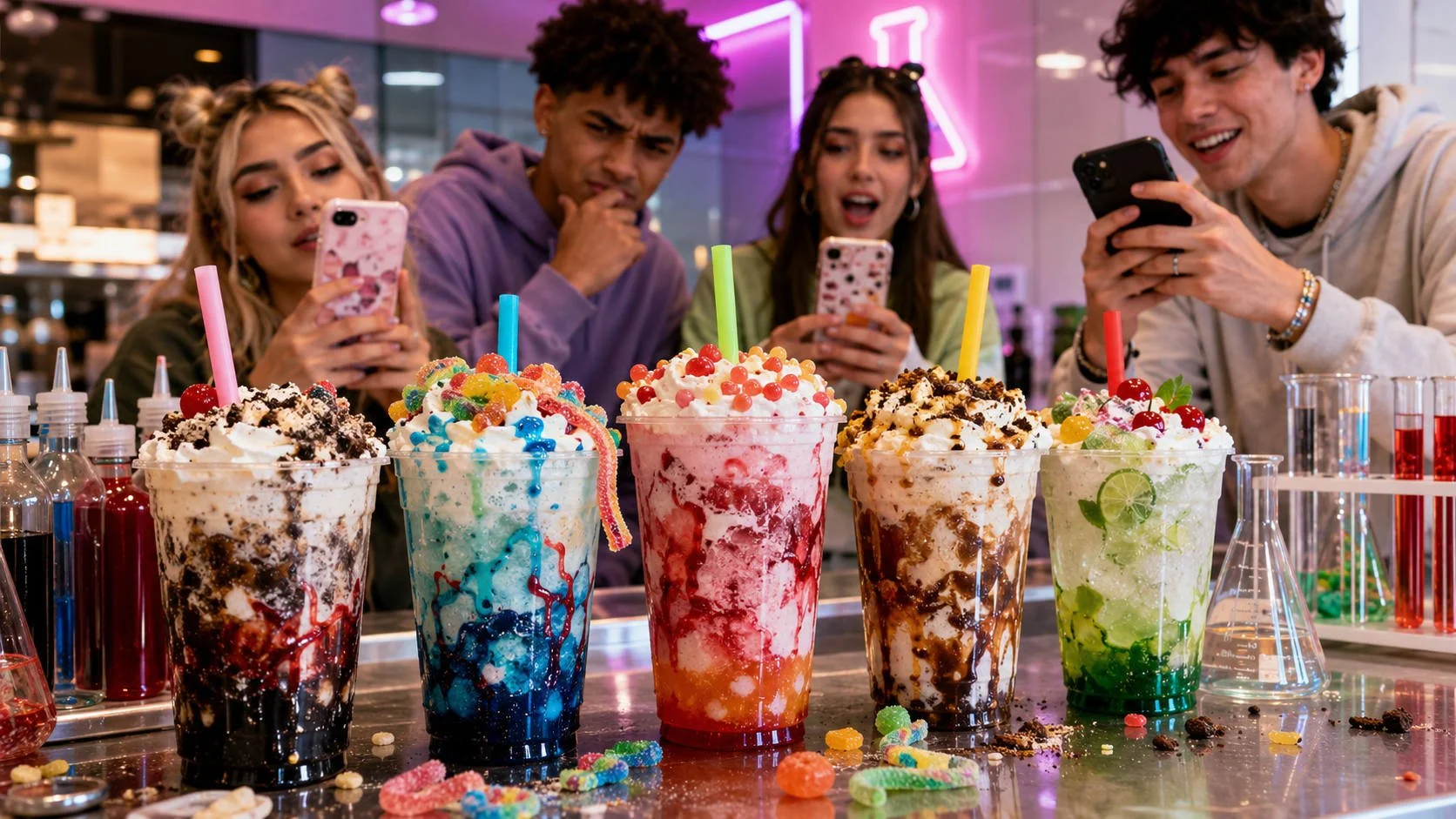
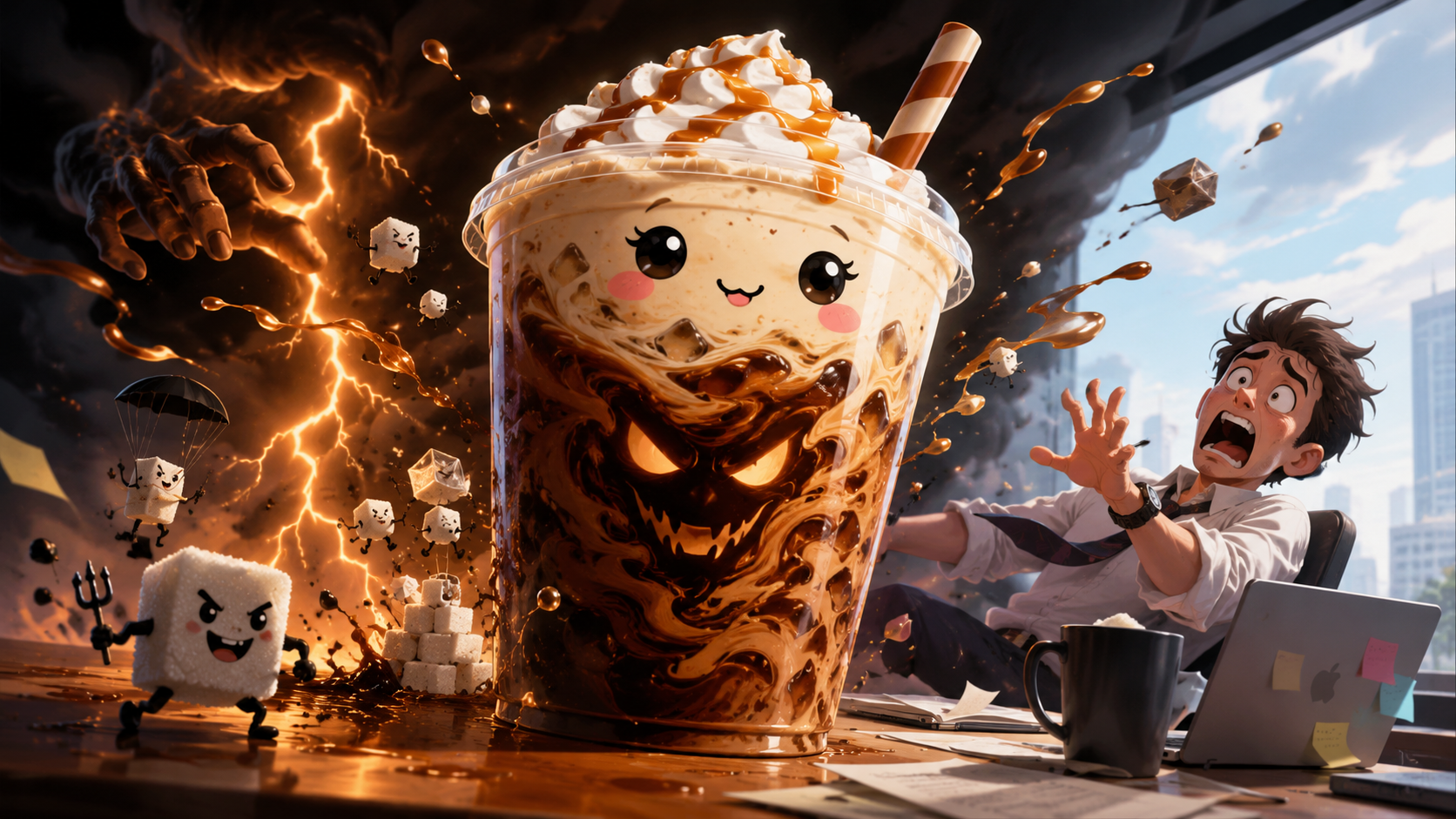
Dirty soda is what happens when a soft drink looks in the mirror and says, “I’m not enough,” and then TikTok hands it coconut cream, raspberry syrup, lime wedges, nugget ice, a 44-ounce cup, and a ring light.
At its simplest, dirty soda is soda mixed with extra things: flavored syrups, fruit, cream, half-and-half, coconut cream, coffee creamer, purées, lime juice, or whatever else the beverage goblin in your soul demands. It started as a Utah soda-shop specialty and became a national internet object because, apparently, regular soda was too emotionally stable. Eater describes the modern dirty soda formula as fountain soda spiked with cream, flavored syrups, and other add-ins, while Food & Wine frames it as soda mixed or topped with syrup, juice, or cream.
Now Gen Z drinks look like chemistry projects supervised by a youth pastor with a loyalty app. Coffee has foam. Soda has cream. Lemonade has electrolytes. Water has fiber. Tea has collagen. Energy drinks have enough branding to qualify as a minor superhero franchise. Every beverage is now trying to be dessert, skincare, therapy, hydration, identity, and a personality quiz in a plastic cup.
And honestly? The dirty soda problem is not that these drinks are bad. Some are delightful. The problem is that modern drink culture has turned every sip into a customizable performance, and Gen Z is the perfect audience: online, sober-curious, flavor-obsessed, identity-aware, treat-motivated, and very willing to drink something that looks like it was assembled by a lab technician who also sells Stanley cup accessories.
Dirty Soda Started as a Regional Treat, Then TikTok Put It in a Helicopter
Dirty soda did not ooze out of the internet fully formed like a carbonated cryptid. It has real roots in Utah soda-shop culture, where drive-through soda shops became a nonalcoholic social ritual. Food & Wine reports that Swig founder Nicole Tanner opened the first Swig in St. George, Utah, in 2010 with soda creations including Dirty Dr Pepper, and Swig’s parent company says the brand reached 100 stores in 14 states by early 2025.
This context matters. In Utah and some Latter-day Saint communities, soda shops filled a social lane that coffee shops or bars occupy elsewhere. Eater notes that the drinks grew from a culture where many people abstain from alcohol and coffee, making soda shops a kind of everyday treat destination.
Then social media did its usual subtle work, by which I mean it strapped the drink to a rocket and screamed into the algorithm. Eater says dirty soda went mainstream in 2022 after TikTok popularity, while Food & Wine connects the bigger wave to Olivia Rodrigo, TikTok videos, and The Secret Lives of Mormon Wives.
A regional drink became a national identity accessory. Beautiful. Horrifying. Very American. We saw people adding cream to Coke and immediately built a retail expansion strategy.
Why Gen Z Drinks Look Like Science Fair Projects
The modern Gen Z drink is not just a drink. It is a build.
Base liquid. Ice preference. Flavor shot. Cream. Purée. Foam. Caffeine level. Sugar-free option. Fruit garnish. Functional add-in. Color story. Cup size. Caption potential. Emotional justification.
Keurig Dr Pepper’s 2025 beverage trend report found that 75% of Gen Z and Millennials customize their beverages, compared with 65% of adults overall. It also found that 74% of Gen Z use social media to learn about beverage trends, and 53% choose beverages to “stand out.” That is not hydration. That is self-expression with a straw.
This explains everything. The drink has become a tiny wearable object. Like sneakers, nails, phone cases, or the tragic little keychains people hang from water bottles large enough to qualify as building infrastructure.
A plain Diet Coke says, “I am thirsty.”
A Dirty Diet Coke with coconut cream, lime, sugar-free vanilla, pebble ice, and a foam lid says, “I have a brand, and my brand is exhausted but whimsical.”
The Dirty Soda Formula Is Designed for Infinite Mutation
Dirty soda works because it is modular. Start with a familiar soda, then add one or more things that change it enough to feel personalized.
Classic dirty soda logic:
Dr Pepper + coconut + lime + cream.
Diet Coke + coconut syrup + lime + half-and-half.
Sprite + peach + vanilla + coconut cream.
Root beer + toasted marshmallow + cream.
Orange soda + vanilla + half-and-half.
The drink lives somewhere between soda float, mocktail, milkshake, and drive-through arts-and-crafts project. Good Housekeeping describes dirty soda as landing between a mocktail and a milkshake, with soda, syrups, fruit, and cream creating a dessert-like nonalcoholic treat.
That flexibility is why chains love it. Swig’s own homepage calls itself the “Home of the Original Dirty Soda” and literally frames the product as “Soda Meets Flavor Cream Fruit Flavor.” Its summer menu examples include drinks with Sprite, pineapple, dragon fruit, purées, frozen fruit, and coconut cream. That is not a drink menu. That is a liquid mood board with a freezer section.
Sonic Proved Dirty Soda Could Go Mainstream
The dirty soda trend did not stay in niche soda shops. Sonic, a chain already known for drink customization, picked up the idea and made it easy for normal fast-food customers to “make it dirty.”
Sonic’s menu currently lists a Dirty Dr Pepper as Dr Pepper infused with coconut, cream, and lime. National Restaurant News reported in 2024 that Sonic let customers add coconut cream and lime to any drink for an upcharge, with Dirty Dr Pepper becoming the overwhelming favorite option.
That was the moment the concept stopped being “Utah thing” and became “drive-through innovation,” the phrase restaurants use when they discover people will pay extra to have their beverage altered by syrup.
And why wouldn’t chains love this? Dirty soda is customizable, photogenic, relatively cheap to build, and easy to describe. It gives customers the illusion of authorship. You are not buying soda. You are designing soda. You are a beverage architect. Congratulations, Frank Lloyd Sprite.
The Drink Is Social Media Bait in Liquid Form
Dirty soda looks good on camera. That is half the business plan.
Pastel layers. Cream swirls. Nugget ice. Oversized cups. Fruit pieces. Syrup ribbons. A slow pour. A straw stab. A lid pop. A hand with acrylic nails. A car cupholder. A taste-test face. The whole thing is engineered for people who say “okay, moment of truth” before sipping 900 calories of pink carbonation.
Good Housekeeping says dirty soda’s TikTok appeal is visual: pastel layers, creamy swirls, pebble ice, and influencers ranking their favorite custom orders.
That is why regular drinks now feel underdressed. A normal lemonade just sits there, yellow and useful, like a beverage that pays taxes. A Gen Z drink needs reveal energy. It must bloom, foam, swirl, sparkle, separate, re-mix, or at least look like something someone could caption “I fear this ate.”
The Sober-Curious Angle: Not Drinking, Still Performing
Dirty soda also fits neatly into the sober-curious moment. Gen Z is drinking less alcohol in many social contexts, or at least is more comfortable choosing nonalcoholic options.
Keurig Dr Pepper’s trend report found that 61% of Gen Z consumers 21+ prefer nonalcoholic beverages when hanging out with friends, while EY’s beverage survey found that functional beverage consumption is highest among Gen Z, with about 80% consuming functional beverages regularly.
That creates a giant opening for drinks that feel social without being alcoholic. Dirty soda says, “I am not ordering a cocktail, but I am still participating in the ritual of having a fun drink that costs too much and requires decisions.”
This is why the drink looks so theatrical. If alcohol used to carry the social drama, the nonalcoholic drink now has to do more. It has to be cute. It has to be customizable. It has to feel like an event. Water, tragically, is still out here being clear and responsible, the boring eldest daughter of beverages.
The Wellness Halo Is Absurd, but Effective
Here is where Gen Z drink culture gets especially ridiculous. Younger consumers want drinks that feel healthier, functional, intentional, or at least less bad than the alternative. EY found that 52% of U.S. consumers pay attention to beverage ingredients, 66% have shifted toward lower-sugar or lower-calorie options, and 52% are willing to pay more for beverages that support health and wellness goals. It also notes that many choices are guided by perceived well-being more than clinical definitions of health.
This is how we got drinks with probiotics, prebiotics, protein, collagen, electrolytes, fiber, “adaptogens,” caffeine, and a brand voice that sounds like a yoga mat joined marketing.
Dirty soda is not usually pretending to be health food, but it lives in the same custom-drink universe. A person can order sugar-free syrups, diet soda, coconut cream, protein milk, electrolytes, or prebiotic soda and feel like the whole thing has been spiritually upgraded.
It has not always been upgraded. Sometimes it has just been decorated.
A 44-ounce soda with sugar-free coconut and coconut cream is still a large soda with cream in it. Calling it “my little drink” does not make it hydration. It makes it a dessert with plausible deniability.
The Sugar Problem Is Not Imaginary
Let’s avoid fake moral panic. A dirty soda once in a while is not going to personally destroy Western medicine. But the sugar issue is real, because many dirty sodas start with regular soda, then add syrups, purées, creamers, and sometimes sweetened cream.
The American Heart Association recommends limiting added sugar to no more than 6% of calories per day, about 6 teaspoons or 100 calories for most women and 9 teaspoons or 150 calories for men. The AHA also notes that one 12-ounce can of regular soda contains about 10 teaspoons of sugar and zero nutritional benefit.
The CDC says sugar-sweetened beverages are leading sources of added sugars in the American diet, and frequent consumption is associated with weight gain, type 2 diabetes, heart disease, nonalcoholic liver disease, tooth decay, cavities, and gout.
So yes, the drink can be fun. It can also be a sugar bomb wearing pebble ice and a nickname like “Island Princess.”
A regular soda is already sweet. Add syrup and cream, and now the beverage is doing dessert cosplay while still pretending to be “just a drink.” Sneaky little carbonation goblin.
Cream in Soda Is Not New. We Just Forgot Floats Exist.
One reason dirty soda works is that the weirdness is actually familiar. Cream plus soda sounds wrong until you remember root beer floats exist. Ice cream floats have been around forever. Egg creams exist. Italian sodas exist. Cream sodas exist. Humans have been adding dairy-adjacent softness to fizz for generations, because apparently the carbonated world has always needed a little dairy chaos.
The difference is scale and customization. A root beer float is one thing. Dirty soda is a build-your-own float-adjacent system. It is less “one dessert drink” and more “choose your soda base, syrup stack, cream type, fruit, and emotional aesthetic.”
That is why these drinks look like science fair projects. The basic chemistry is simple: carbonation, sugar, acid, dairy/fat, flavor molecules, ice. But the social chemistry is where it gets weird: identity, algorithm, treat culture, sobriety, visual appeal, brand loyalty, and the modern human need to make even a beverage feel personalized.
The “Little Treat” Economy in a Cup
Dirty soda is also part of little treat culture. It is affordable luxury. Not cheap, exactly, but cheaper than a bar tab, dinner out, a concert ticket, or therapy, although possibly less effective than all four.
Good Housekeeping calls dirty soda part of the “treat yourself” lane: personalized, low-stakes, high-reward, and cheaper than cocktail-bar prices.
This is why it hits. Gen Z has high rent, high stress, high grocery prices, weird job markets, algorithmic social life, and a daily schedule that seems designed by a productivity app with no human friends. A dirty soda is a small controllable pleasure. You choose the base. You choose the add-ins. You choose the cup. You sip your sugary little potion and for seven minutes the world feels less like a flaming group project.
Is that silly? Yes.
Is it understandable? Also yes.
The Problem Is Frequency, Not Existence
The correct take is boring, which is how you know it is probably right: dirty soda is fine as an occasional treat and dumb as a daily hydration strategy.
Good Housekeeping’s nutrition expert makes the same point: dirty soda can be enjoyed, but it belongs in treat territory, not as a substitute for water.
That is the whole adult answer. Have the creamy Dr Pepper. Try the coconut lime chaos. Order the pink one with fruit and foam. Live your life. But do not pretend a giant cup of soda, syrup, and cream is just a casual beverage because it came from a drive-through with cheerful branding.
A daily dirty soda habit is not hydration. It is dessert commuting.
Why Gen Z Keeps Reinventing Drinks
Gen Z drink culture is a laboratory because drinks are easier to experiment with than meals. You can customize a drink without committing to a whole plate. You can photograph it. Carry it. Share it. Review it. Rank it. Make it part of your daily routine.
Drinks are portable identity.
Food says, “I was hungry.”
A drink says, “This is my vibe today.”
That is why the beverage space keeps exploding. Coffee was customized first. Then boba. Then matcha. Then energy drinks. Then refreshers. Then prebiotic sodas. Then protein coffee. Then dirty soda. Now every drink wants add-ins like it is applying to college.
And brands are happy to comply. Customization increases engagement. Add-ons increase ticket size. Limited-time flavors create urgency. Social media creates free advertising. The customer gets a fun drink. The brand gets a recurring ritual. Everyone wins, except possibly your teeth.
How to Order a Dirty Soda Without Creating a Beverage Monster
Use restraint, a foreign and endangered concept.
Pick one base soda.
Pick one main flavor.
Pick one creamy element.
Add citrus if it makes sense.
Stop.
Good examples:
Diet Coke + coconut + lime + splash of half-and-half.
Dr Pepper + coconut cream + lime.
Sprite + peach + coconut cream.
Root beer + vanilla + cream.
Orange soda + vanilla + half-and-half.
Bad examples:
Mountain Dew + mango + raspberry + pineapple + dragon fruit + coconut cream + vanilla cream + frozen fruit + lemonade + “light ice” + spiritual confusion.
At some point, you are not making a drink. You are blending a mall kiosk into a cup.
How to Make a Better At-Home Version
A home dirty soda can be cheaper and less insane.
Use:
One can of soda or sparkling water.
Lots of ice.
One tablespoon flavored syrup or a small splash of juice.
One tablespoon cream, half-and-half, coconut milk, or coconut cream.
Fresh lime or lemon.
Optional fruit garnish.
Start small. You can always add more syrup. You cannot un-syrup a drink, because physics is cruel and capitalism has already moved on.
If you want a lighter version, use sparkling water plus fruit syrup and a tiny splash of cream. If you want a dessert version, use soda and full cream. Just call it dessert. There is dignity in honesty.
Dirty Soda Is Fun, but It Is Not a Lifestyle
Dirty soda explains exactly why Gen Z drinks look like science fair projects: customization, TikTok aesthetics, sober-curious social life, wellness confusion, affordable treat culture, and brands that have discovered people will pay extra if a drink can be described in six ingredients and photographed from above.
The drink itself is not the villain. It is fizzy, creamy, sweet, weird, and often genuinely enjoyable. The problem is when every beverage becomes a performance and every performance becomes a habit.
Dirty soda is not water.
It is not a health drink.
It is not a personality.
It is a dessert soda with better marketing and worse boundaries.
Try it. Enjoy it. Order the coconut lime Dr Pepper if your heart says yes and your dentist is not in the room. But maybe do not make a 44-ounce cream soda your daily emotional support animal.
Because at some point, Gen Z’s drink culture stopped asking, “Are you thirsty?” and started asking, “What if your beverage had lore?”
And honestly, that is how you get a cup full of Sprite, dragon fruit, coconut cream, purée, nugget ice, and hope.
A science fair project, but make it slay.