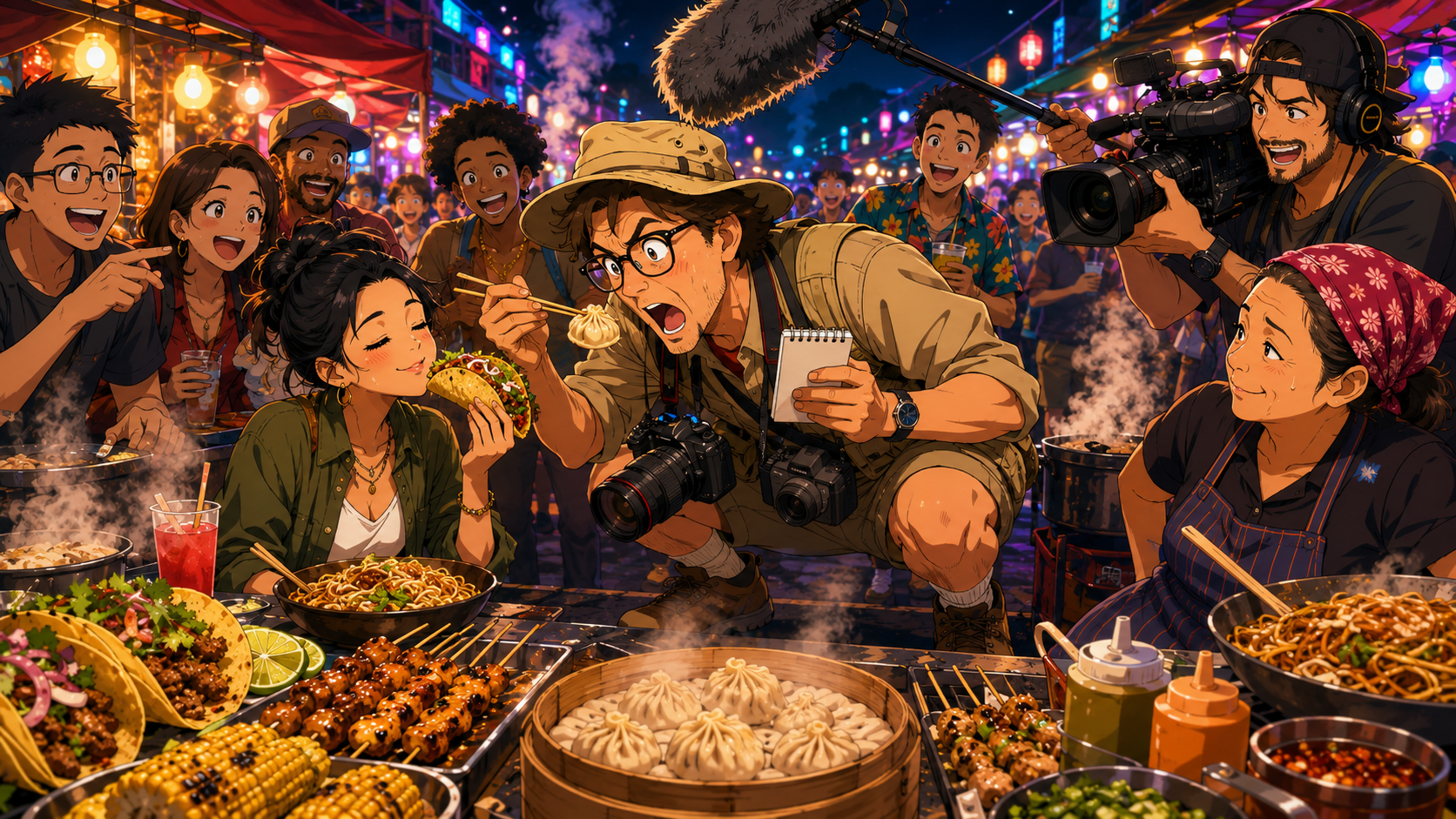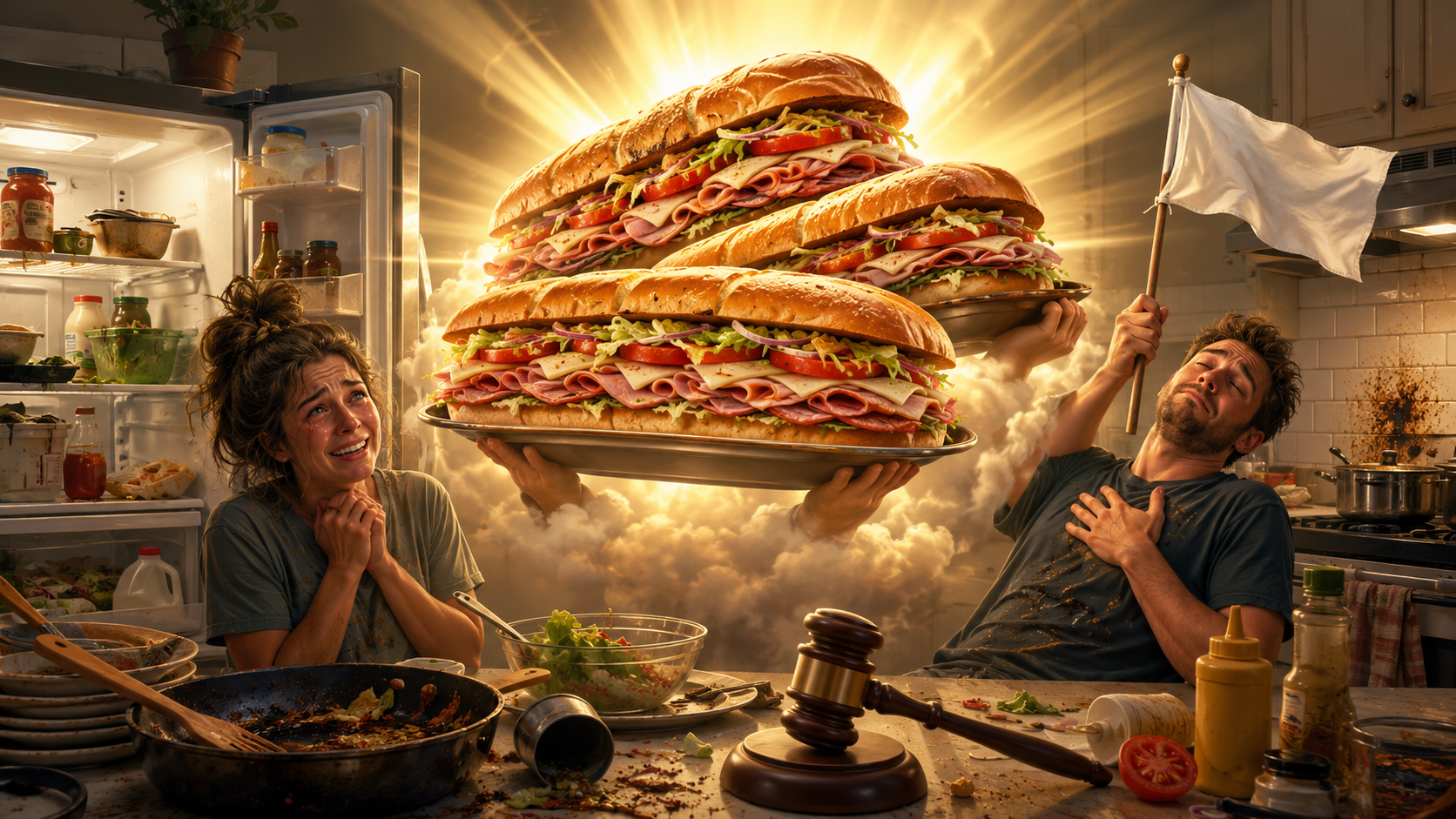
Snacks to Serve at Your “Strait of Hormuz Is Finally Back Open” Party
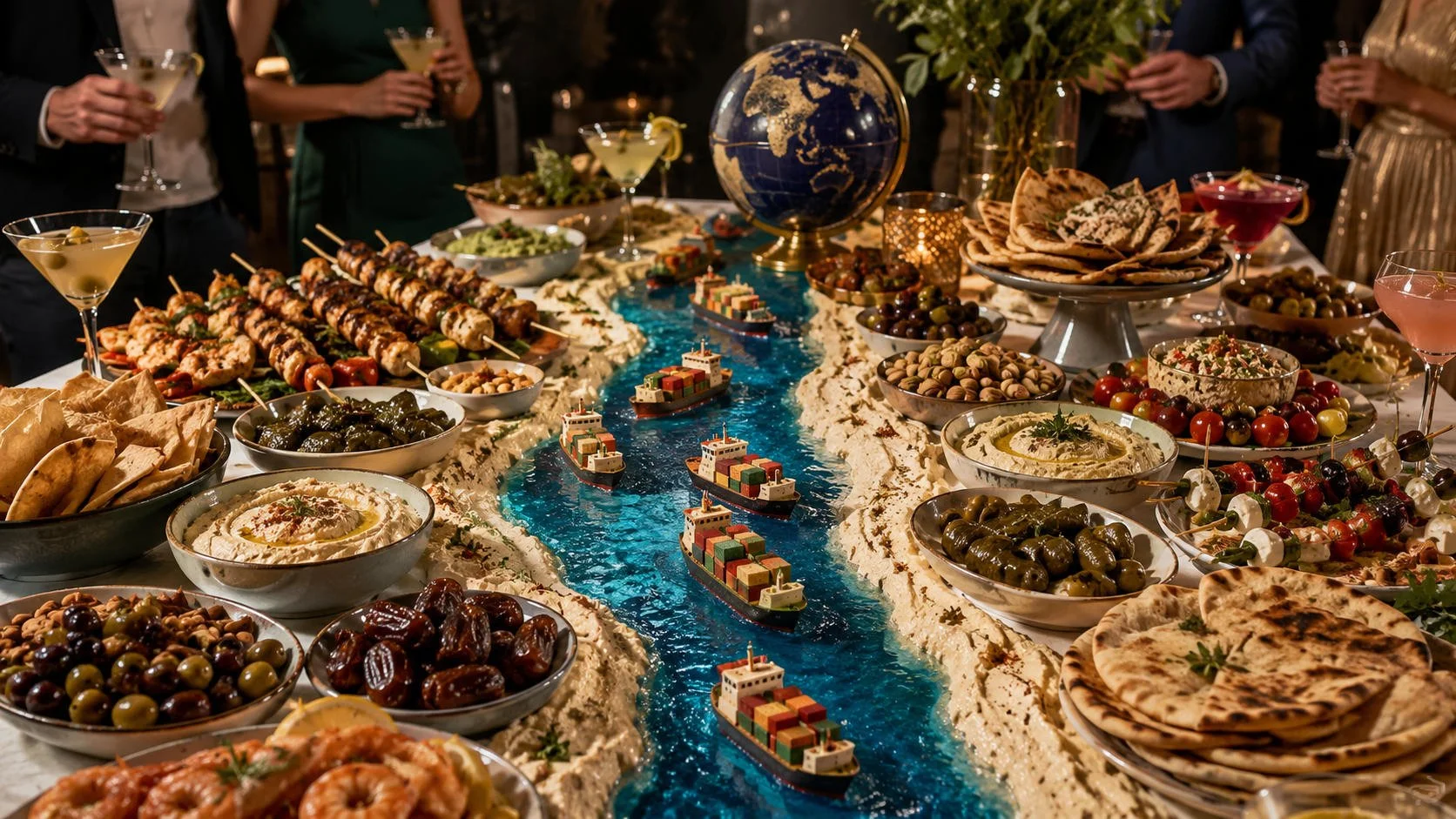
The Strait of Hormuz being “back open” is not a normal party theme. A normal party theme is “taco night” or “birthday” or “please help me justify owning this many board games.” This is a party celebrating the fact that one of the world’s most important energy chokepoints may once again allow ships through without everyone immediately pricing gasoline like it contains liquid rubies.
Very festive. Nothing says “good times” like maritime insurance, naval mines, LNG tankers, oil futures, and the fragile relief of global supply chains briefly removing their hands from around everyone’s throat.
Small factual garnish before we plate the doom: as of May 25, 2026, the “finally back open” part may still need an asterisk the size of a tanker. Reuters reported that the U.S. and Iran were discussing a plan for Iran to open the Strait about 30 days after a peace deal, with mine clearing during that window; the Financial Times reported that two LNG tankers had recently passed through, suggesting limited movement but not necessarily a full return to normal traffic. So yes, maybe save the confetti until the ships are moving and the insurers stop hyperventilating into spreadsheets.
Start With Chokepoint Charcuterie
Every party needs a board, because apparently adults cannot socialize unless salami has been arranged like a topographical map.
For a Strait of Hormuz party, make a Chokepoint Charcuterie Board. Put the crackers in a narrow channel between two giant landmasses of cheese. On one side: cheddar, olives, hummus, dates. On the other: cured meats, pita chips, grapes, almonds. In the middle: one tiny terrifying lane of traffic where everyone has to maneuver their cracker through the dip zone like a Panamax vessel with anxiety.
This is educational. Guests will learn the importance of geography while reaching for prosciutto. Finally, pedagogy with sodium.
The Strait matters because around 25% of the world’s seaborne oil trade transited it in 2025, and more than 110 billion cubic meters of LNG passed through it that year. The International Energy Agency also says there are limited oil bypass options and no alternative routes for those LNG volumes to reach market. So your cheese board is not “extra.” It is a tiny dairy model of global dependency.
Serve “Crude Oil” Black Bean Dip
You cannot host a Hormuz party without at least one food item that looks like something traders scream about.
Make black bean dip. Call it Crude Oil Dip. Serve it with tortilla chips labeled “spot market scoops,” because apparently even chips need to know what Brent is doing now.
Use black beans, lime, garlic, cumin, olive oil, and enough salt to make it taste like someone in commodities just got a bonus. Top with sour cream swirls if you want to represent “market volatility,” which is what economists call it when everyone is guessing and pretending the guessing has a tie on.
This dip is dark, thick, and slightly ominous, just like every chart that appears on financial news when someone says “shipping disruption.”
Add LNG Lemonade Because Gas Needs Branding Too
Oil gets all the attention because oil is dramatic and historically excellent at ruining everyone’s week. But LNG is the quiet guest at the party holding the entire power grid’s emotional support animal.
Serve LNG Lemonade in clear pitchers with ice and mint. Make one regular, one sparkling, and one absurdly blue version for people who need their beverages to look like a nuclear coolant leak.
The IEA says about 93% of Qatar’s LNG exports and 96% of the UAE’s LNG exports transited the Strait in 2025, representing almost one-fifth of global LNG trade. Translation: this little waterway matters to electricity bills, fertilizer, factories, and everyone pretending they understand gas markets because they watched one explainer video.
If anyone asks why the lemonade is called LNG, say, “Because it’s chilled, transported, and anxiety-inducing.” Then leave the room before follow-up questions.
Make Mine-Clearance Meatballs
Nothing says appetizer like acknowledging the problem of underwater explosives.
Serve Mine-Clearance Meatballs on toothpicks. Put them in a tomato sauce “hazard zone” and scatter little parsley “safe corridors” around the platter, because presentation matters when the theme is “nobody wants a tanker to explode.”
Al Jazeera reported in April that U.S. officials said mine-clearing in the Strait could take months and that insurers may remain cautious if risks are hard to quantify. Maritime experts warned that even after a peace agreement, mine threats could restrict normal shipping patterns. So yes, meatballs are fun, but the metaphor is doing some grim little push-ups in the corner.
Practical tip: use turkey, beef, lamb, or plant-based meatballs. The point is not authenticity. The point is making a snack your guests can eat while saying, “Wow, global trade is unbelievably fragile,” then immediately asking for more sauce.
Tanker Skewers Are Mandatory
A Hormuz party without skewers is just a news segment with napkins.
Make Tanker Skewers with grilled chicken, shrimp, halloumi, mushrooms, peppers, or tofu. Arrange them in parallel lines on a platter like shipping lanes. Then place one large bowl of sauce at the end labeled “customs delays,” because every party needs one joke for the logistics people.
Good sauce options:
Garlic yogurt sauce.
Harissa mayo.
Tahini lemon sauce.
Chimichurri, if you want to admit this party has already exceeded its original cultural brief.
Skewers are perfect because they are portable, linear, and slightly overdetermined. Just like oil tankers, except tastier and less likely to influence central bank policy.
Hormuz Hummus, Obviously
You need hummus because it belongs at nearly every gathering and because “Hormuz Hummus” is sitting right there like a joke begging to be allowed into the room.
Make a classic hummus, then add toppings in zones:
Paprika oil for “regional tension.”
Pine nuts for “premium risk.”
Parsley for “diplomatic optimism.”
A large crater in the middle filled with olive oil, because apparently the theme requires it.
Serve with pita triangles and vegetables so guests can pretend this party has nutritional integrity. This is important because after three servings of black bean crude oil dip and mine-clearance meatballs, everyone will need the moral alibi of cucumber.
Emergency Reserve Nachos
Every energy crisis needs reserves. Your party does too.
Make a tray of Strategic Petroleum Reserve Nachos. Keep it in the kitchen until the first snack table runs low, then deploy it dramatically.
Chips. Cheese. Beans. Jalapeños. Pickled onions. Chicken or beef if desired. Sour cream. Guacamole. Salsa. The works.
When you bring it out, announce that reserves are being released to stabilize household morale. If someone groans, they are not invited to the next crisis-themed gathering, which will presumably be called “Suez Canal Tapas Night.”
“Price Shock” Spicy Wings
No geopolitical party is complete without a dish that hurts people and then makes them discuss whether the pain was avoidable.
Serve Price Shock Wings in three heat levels:
“Diplomatic Breakthrough” — mild.
“War-Risk Premium” — hot.
“Insurance Market Collapse” — stupid hot.
Oil prices reportedly fell below $100 a barrel on May 25, 2026, on hopes of an Iran peace deal, though coverage also noted that prices remained well above pre-conflict levels and that full recovery could take time. In other words, optimism showed up, but it brought a lawyer.
Put the hottest wings far away from the couch. The world has enough spillover effects.
Fertilizer Fries, Because Food Prices Are Also Invited to the Panic
The IEA notes that more than 30% of global urea trade and about 20% of ammonia and phosphate trade move through the Strait, creating risks for food prices and food security when disruptions happen. Wonderful. Even the fertilizer has geopolitical trauma now.
So make Fertilizer Fries. They are just fries with toppings, because no one actually wants a literal fertilizer joke on the table unless your friend group includes agricultural economists, in which case condolences.
Do three versions:
Plain salted fries for “base case.”
Loaded cheese fries for “inflationary pressure.”
Truffle fries for “someone in private equity heard about the party.”
The joke is stupid. The fries will disappear first. That is food economics.
Diplomatic Deviled Eggs
Deviled eggs are perfect for tense global negotiations because they look formal, require delicate handling, and can collapse into disgrace if left out too long.
Make Diplomatic Deviled Eggs with paprika and chives. Add a little hot sauce if you want them to have “regional instability.” Put them on a platter shaped like a conference table if you are deeply unwell and own too many serving dishes.
Deviled eggs also provide protein, which guests will need after discussing energy chokepoints and realizing civilization is basically pipes, ships, insurance, and vibes.
Ceasefire Sliders
Serve small burgers or chicken sandwiches and call them Ceasefire Sliders.
They should be simple, stabilizing, and easy to eat before everything gets complicated again. Mini buns, protein, pickles, sauce. Done.
Do not overbuild them. This is not the time for a 14-component artisanal slider with onion jam and a lecture. The whole point of a ceasefire slider is that everyone gets one, everyone calms down, and nobody asks whether the garnish violates the agreement.
Offer vegetarian sliders too, because peace talks should include all parties unless you enjoy your dining room becoming a Security Council meeting.
Transit Fee Tacos
Reuters reported that the discussed plan would include Iran stopping transit fees once ships could navigate freely and safely. Naturally, you should honor this with Transit Fee Tacos, where every topping costs nothing because you are not a monster.
Set up a taco bar:
Tortillas.
Beans.
Chicken, beef, fish, or tofu.
Cabbage.
Salsa.
Crema.
Pickled onions.
Hot sauce.
Then label one empty bowl “unexpected surcharge” and leave it there to terrify anyone who has ever dealt with shipping, utilities, airlines, healthcare, or adulthood.
Strait-Up Martini Mocktails
You need a drink called the Strait-Up. Obviously.
Make it as a mocktail so everyone can have one without turning the evening into a maritime incident. Use lime, cucumber, mint, tonic, and a splash of ginger beer. Serve in coupe glasses if you want the party to feel classy despite being built around a shipping lane crisis.
For the adult version, add gin or vodka. For the financial analyst version, add three ounces of dread and garnish with a Brent crude chart.
The “Still Not Normal” Dessert Board
Do not end the party with optimism. That would be irresponsible.
Tufts maritime expert Rockford Weitz warned in May that resumption of commercial shipping in the Strait would not automatically mean everything is fine, arguing that the closure could cause long-term efforts to diversify supply chains and reduce reliance on the route. That is exactly the mood dessert should capture: sweet, relieved, and quietly aware the system learned nothing until it panicked.
Make a dessert board called Still Not Normal:
Baklava.
Dates.
Chocolate truffles.
Lemon bars.
Pistachio cookies.
Little cupcakes with tiny paper flags that say “supply chain resilience,” because nothing says party like making baked goods sound like a World Economic Forum panel.
The Actual Best Menu
Here is the cleanest party spread:
Hormuz Hummus.
Chokepoint Charcuterie.
Crude Oil Black Bean Dip.
Tanker Skewers.
Mine-Clearance Meatballs.
Strategic Petroleum Reserve Nachos.
Price Shock Wings.
Fertilizer Fries.
Ceasefire Sliders.
LNG Lemonade.
Strait-Up Mocktails.
Still Not Normal Dessert Board.
That is more than enough food, unless your guests are energy traders, in which case they will eat everything and ask what your exposure is.
Hosting Rules for a Geopolitical Snack Party
Do not make the party too realistic. Nobody wants a cover charge that changes every 90 seconds based on tanker insurance.
Do not make guests enter through a narrow hallway one at a time unless you want them to understand chokepoints in the worst possible way.
Do not call the bathroom “the alternative route.” People will hate that.
Do not serve only oil-packed foods. That is not theme discipline. That is a gallbladder ambush.
Do have enough nonalcoholic drinks, because people discussing energy markets tend to become thirsty from all the armchair expertise.
Do put out labels. If someone is allergic to sesame, nuts, shellfish, dairy, or the phrase “geostrategic realignment,” they deserve warning.
Celebrate, But Keep the Nachos on Standby
A “Strait of Hormuz Is Finally Back Open” party is the perfect event for people who enjoy snacks, geopolitics, and the quiet horror of realizing modern life depends on narrow waterways staying boring.
That is the entire lesson. Boring shipping lanes are good. Boring energy markets are good. Boring insurance premiums are good. The best possible version of global trade is the one nobody at your party has to learn about because everything is moving normally.
But when the Strait reopens, or even begins to reopen, you may as well serve hummus, meatballs, wings, nachos, and a drink called the Strait-Up, because civilization survives on two things: functioning logistics and the human ability to turn terrifying news into themed appetizers.
So raise a glass to open water, lower risk, cheaper panic, and the beautiful dream that one day supply chains will stop behaving like a group project run by arsonists.