How to Build a High-Protein Girl Dinner That Doesn’t Look Like Evidence From a Breakdown
A girl dinner should feel like freedom.
It should feel like opening the fridge, rejecting the tyranny of “real cooking,” and assembling a plate of little treasures like a medieval peasant with better lighting and access to Trader Joe’s.
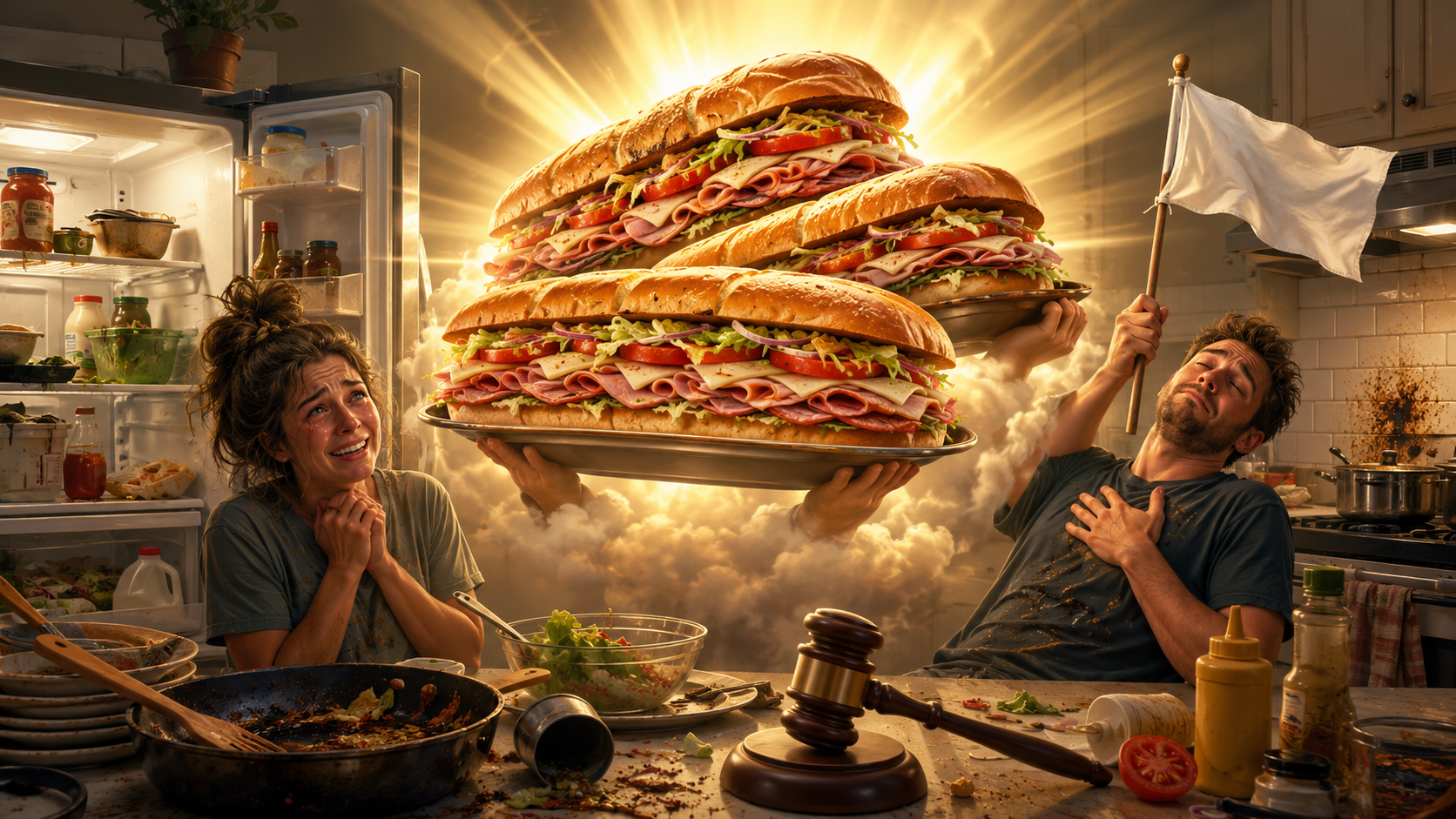
It should not look like someone lost a custody battle with dinner.
That is the problem. The original charm of girl dinner was that it celebrated low-effort, snack-style eating: cheese, bread, pickles, fruit, crackers, olives, leftovers, whatever little edible objects were willing to cooperate. The trend was popularized on TikTok by Olivia Maher in 2023 and quickly became shorthand for casual, no-cook, snack-plate meals. Naturally, because the internet cannot touch a joke without turning it into a group project about morality, people also started debating whether it was liberating, lazy, nutritionally flimsy, or diet culture wearing a cute outfit.
The truth is simple: girl dinner is not the problem. A nutritionally useless girl dinner is the problem.
A plate of cheese, crackers, grapes, pickles, and olives can be delightful. A plate of three almonds, one baby carrot, and vibes is not dinner. It is a hostage note from your blood sugar.
So the goal is not to ruin girl dinner with meal-prep energy. Nobody wants a snack plate that looks like it was assembled by a corporate wellness intern named Brayden. The goal is to build a high-protein girl dinner that still feels snacky, easy, pretty, and mildly chaotic — but actually keeps you full.
The Rule: Start With Protein, Then Let Chaos Decorate
A good high-protein girl dinner starts with one anchor protein.
Not a garnish protein. Not a decorative little cheese cube wandering around like it got separated from its parents at Costco. A real protein.
Harvard Health notes that the Recommended Dietary Allowance for protein is 0.8 grams per kilogram of body weight, or 0.36 grams per pound, and describes that as a basic minimum rather than a personalized target for everyone. The FDA’s Daily Value for protein is 50 grams, while the Daily Value for fiber is 28 grams. Translation: if dinner contains six grams of protein and one gram of fiber, dinner is not dinner. Dinner is pretending.
For a high-protein girl dinner, aim for roughly 25 to 40 grams of protein. That range gives the plate enough backbone without turning the meal into a bodybuilder’s lunchbox having an identity crisis.
The protein is the main character. Everything else is supporting cast: crackers, fruit, vegetables, dips, pickles, olives, chocolate, nuts, hot sauce, tiny bowls, suspiciously expensive mustard. Let the chaos decorate. Do not let it run the meeting.
The Best High-Protein Girl Dinner Formula
The formula is not complicated, because the entire point of girl dinner is avoiding complicated. If a recipe requires preheating, marinating, resting, reducing, or saying “mise en place” out loud, the vibe has been murdered.
Build it like this:
Start with one major protein.
Add one fiber-rich carb or bean situation.
Add one fruit or vegetable with crunch.
Add one fat or flavor bomb.
Add one fun thing, because dinner without joy is just edible admin.
That is it.
This roughly lines up with the general plate idea used in nutrition guidance: vegetables and fruits should make up a major part of the meal, with protein foods and whole grains also included. Canada’s food guide even says the plate model can apply to snacks, shared platters, bowls, and meals that do not look like traditional dinner. Finally, government nutrition guidance has acknowledged the existence of people eating like raccoons with taste.
Best Protein Anchors for Girl Dinner
The easiest protein anchors are the ones that require almost no cooking.
Cottage cheese is the overachiever. A half-cup serving often gives around 12 to 14 grams of protein, depending on the brand and fat level, and it works sweet or savory. Put it with tomatoes, cucumbers, pepper, and chili crisp. Or berries, honey, and crushed pistachios. Cottage cheese used to have retirement-home energy, but it has rebranded as the protein goblin of the internet and frankly, good for her.
Greek yogurt is another obvious choice. It is thick, high-protein, and can become a dip in about 11 seconds. Add ranch seasoning, lemon, dill, garlic, everything bagel seasoning, hot sauce, or honey. Suddenly yogurt is not breakfast. It is infrastructure.
Tuna packets or canned tuna are the emergency protein move. Canned light tuna in water is very protein-dense; one nutrition database entry lists 165 grams of drained canned light tuna at about 142 calories and 32 grams of protein. Is tuna glamorous? No. Tuna has the social energy of a breakroom microwave. But mix it with Greek yogurt, mustard, pickles, lemon, and pepper, and suddenly it becomes useful instead of tragic.
Edamame is the best plant-based snack-plate protein because it brings both protein and fiber. One cup of cooked shelled edamame provides about 188 calories, 18.4 grams of protein, and 8 grams of fiber. That is not a side dish. That is a legume wearing a cape.
Eggs are classic. Two boiled eggs bring about 12 grams of protein, and they make a plate look less like “I found these objects in my purse” and more like a deliberate meal. Add smoked paprika, salt, pepper, or chili crisp. Eggs are humble until seasoned, at which point they suddenly act like they went to finishing school.
Rotisserie chicken, deli turkey, smoked salmon, tofu, hummus, beans, shrimp, jerky, and cheese can all work too. The trick is not using ten tiny protein-ish things and hoping they unionize. Pick one or two that actually add up.
The Fiber Fix: Stop Building a Beige Plate
Most sad girl dinners fail because they are all salt, fat, and crunch with no fiber. Crackers, cheese, salami, olives, and pickles are wonderful, but eaten alone they create the digestive equivalent of a traffic jam outside a county fair.
Add fiber like an adult with a functioning colon.
Use berries, apples, pears, oranges, carrots, cucumbers, snap peas, cherry tomatoes, bell peppers, roasted chickpeas, hummus, whole grain crackers, lentil chips, whole wheat pita, beans, edamame, or popcorn.
Chickpeas are especially useful because they bring both protein and fiber. Cooked chickpeas are commonly listed around 10 to 15 grams of protein per cup, with meaningful fiber depending on serving size, while half-cup cooked chickpea servings are often promoted as a fiber-rich plant protein.
Fiber is what separates “cute snack plate” from “why am I hungry again while still holding the plate?”
The Best High-Protein Girl Dinner Builds
The Mediterranean “I Have My Life Together, Allegedly” Plate
Use tuna salad or chicken salad made with Greek yogurt, cucumber slices, cherry tomatoes, hummus, olives, whole grain pita, feta, and pickles.
This is the most reliable high-protein girl dinner because it has protein, vegetables, salt, crunch, acid, and dip. It feels like a mezze plate, not like evidence from a refrigerator-based incident.
Best protein move: tuna or chicken plus Greek yogurt dip.
Best fiber move: hummus, vegetables, and whole grain pita.
Best chaos move: olives and pickles, because apparently salt is a personality.
The Cottage Cheese Snack Board That Refuses to Be Embarrassed
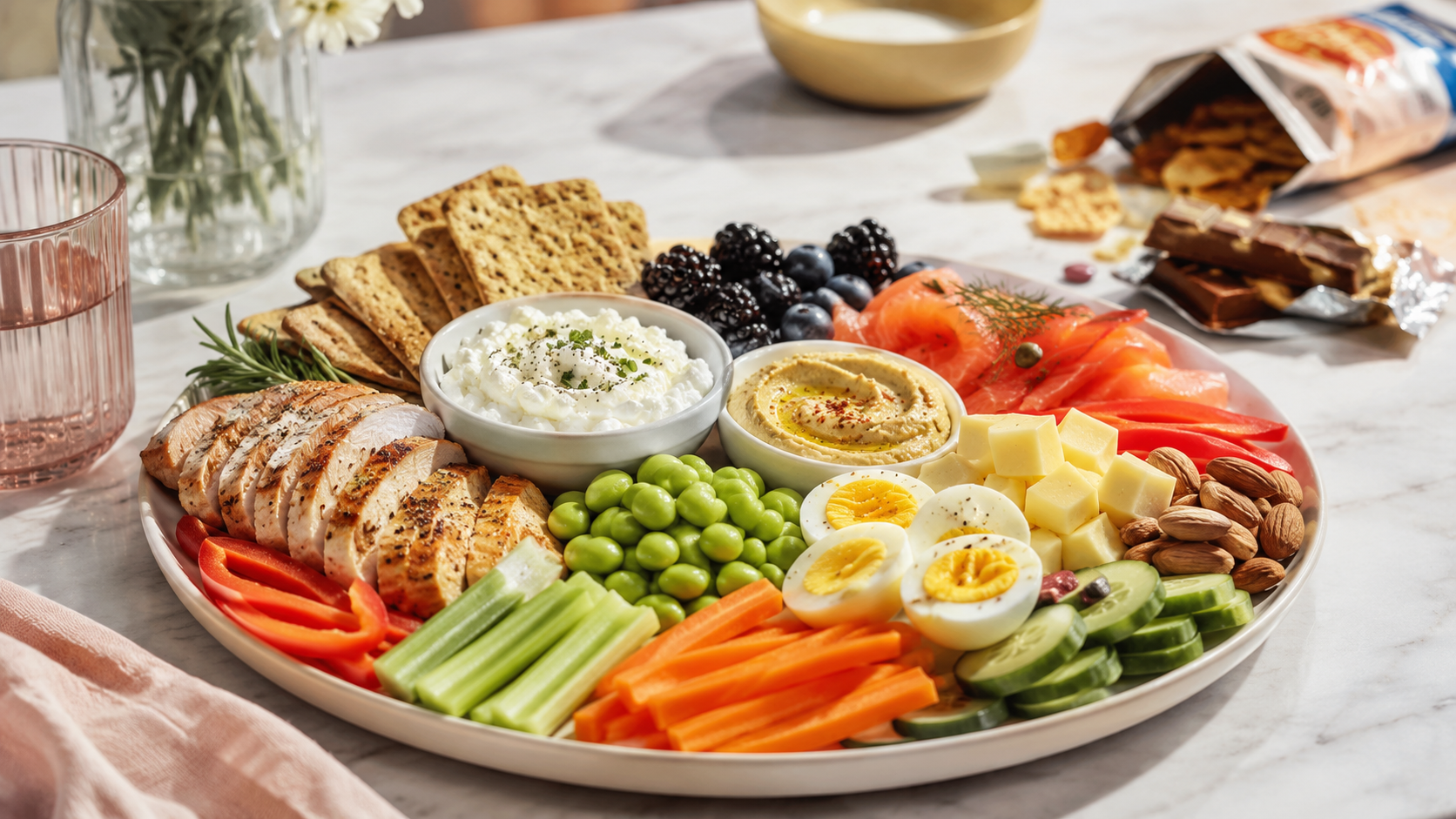
Use cottage cheese as the anchor, then add turkey slices, boiled eggs, berries, cucumbers, whole grain crackers, and a little dark chocolate.
This plate is weirdly powerful. Cottage cheese plus turkey or eggs can easily push it into high-protein territory. The berries and vegetables keep it fresh. The chocolate keeps it from becoming a punishment board designed by a diet app with no friends.
Best protein move: cottage cheese plus boiled eggs.
Best fiber move: berries and whole grain crackers.
Best chaos move: chili crisp on the cottage cheese if savory; honey and pistachios if sweet.
The Sushi-ish No-Cook Girl Dinner
Use smoked salmon or tuna, edamame, cucumber, avocado, seaweed snacks, rice crackers, pickled ginger, and a soy-sauce or spicy Greek yogurt dip.
This is not sushi. Nobody said it was sushi. Put down the comment-section sword. It is sushi-ish. It scratches the same itch without requiring a bamboo mat, raw fish anxiety, or the confidence of someone who uses tweezers in the kitchen.
Best protein move: smoked salmon, tuna, or edamame.
Best fiber move: edamame, cucumber, avocado.
Best chaos move: seaweed snacks crumbled over everything like savory confetti.
The “I Want Chips and Dip But Also Muscles” Plate
Use Greek yogurt ranch or buffalo dip, rotisserie chicken, raw vegetables, roasted chickpeas, a small pile of chips, and pickles.
This is how to include chips without letting chips become the mayor of dinner. The protein dip does actual work. The chicken makes it a meal. The vegetables become vehicles. The chips still get to attend, but they are not running a beige coup on the plate.
Best protein move: Greek yogurt dip plus chicken.
Best fiber move: carrots, peppers, cucumbers, roasted chickpeas.
Best chaos move: hot sauce and pickles.
The Sweet High-Protein Girl Dinner
Use Greek yogurt or cottage cheese, berries, banana slices, peanut butter, high-fiber cereal or granola, chia seeds, and a few chocolate chips.
This is for nights when dinner wants to be dessert but you do not want to wake up at 11 p.m. eating shredded cheese from the bag like a kitchen raccoon under moonlight.
Best protein move: Greek yogurt or cottage cheese.
Best fiber move: berries, chia, high-fiber cereal.
Best chaos move: chocolate chips, because morale matters.
What Not to Do
Do not build the whole plate out of cheese and crackers. That is not high-protein girl dinner. That is a cheese board wearing pajamas.
Do not rely on nuts as the main protein. Nuts are nutritious, yes, but they are mostly fat with some protein. A handful of almonds is not a protein anchor. It is a crunchy little calorie wallet.
Do not make the plate all pickles, olives, cured meat, and cheese unless you want sodium to personally tuck you into bed with swollen fingers.
Do not forget carbs. High-protein does not mean “remove every carbohydrate and eat turkey over the sink like a haunted Victorian widow.” Add fruit, whole grain crackers, pita, roasted chickpeas, popcorn, or rice cakes. Dinner should not feel like a punishment for being alive.
Do not confuse “low effort” with “too little food.” The girl dinner trend has been criticized by dietitians when it becomes a tiny, unbalanced plate disguised as whimsy. The better version includes protein, carbs, fat, and produce, which is less glamorous than “three grapes and a cheese shaving,” but much better for being a functioning mammal.
The Presentation Trick: Make It Look Intentional
A high-protein girl dinner can be assembled from fridge debris, but it should not look like fridge debris suffered a fall.
Use a real plate or board. Put dips in tiny bowls. Slice the cucumber. Fold the turkey. Cut the apple. Sprinkle seasoning on the eggs. Add pickles in a pile, not scattered like they were dropped from a helicopter.
Presentation matters because the whole point is making a low-effort meal feel pleasurable instead of bleak. The line between “chic snack board” and “emotional support scraps” is often one ramekin and a lemon wedge.
This is not vanity. This is plating self-respect. Tiny bowls are cheaper than therapy. Usually.
The Final Formula
A high-protein girl dinner should have:
25 to 40 grams of protein.
At least one fruit or vegetable.
At least one fiber source.
One thing that makes it fun.
One dip, sauce, pickle, spice, or crunchy item that keeps it from tasting like meal-prep parole.
That could be cottage cheese, boiled eggs, berries, cucumbers, crackers, and chocolate.
It could be tuna salad, hummus, pita, tomatoes, olives, and pickles.
It could be Greek yogurt dip, rotisserie chicken, vegetables, chips, and hot sauce.
It could be edamame, smoked salmon, avocado, seaweed, cucumber, and rice crackers.
The format is flexible. The standard is not.
Snacky Does Not Have to Mean Sad
A high-protein girl dinner should still feel like girl dinner. Snacky. Casual. A little weird. A little indulgent. Easy enough to assemble when cooking feels like a federal offense.
But it should also feed you like an actual meal.
The best version starts with a real protein anchor, adds fiber, includes something fresh, allows something fun, and gets plated with just enough dignity that it does not look like the fridge coughed onto a plate.
Girl dinner does not need to become gym dinner.
It just needs to stop being three pickles, half a Babybel, and a handful of crackers arranged like evidence at a wellness crime scene.
Build it with protein. Add fiber. Keep the chaos.
That is the whole trick.
Sources