
The High-Protein Snack Guide for People Who Are Tired of Cottage Cheese TikTok
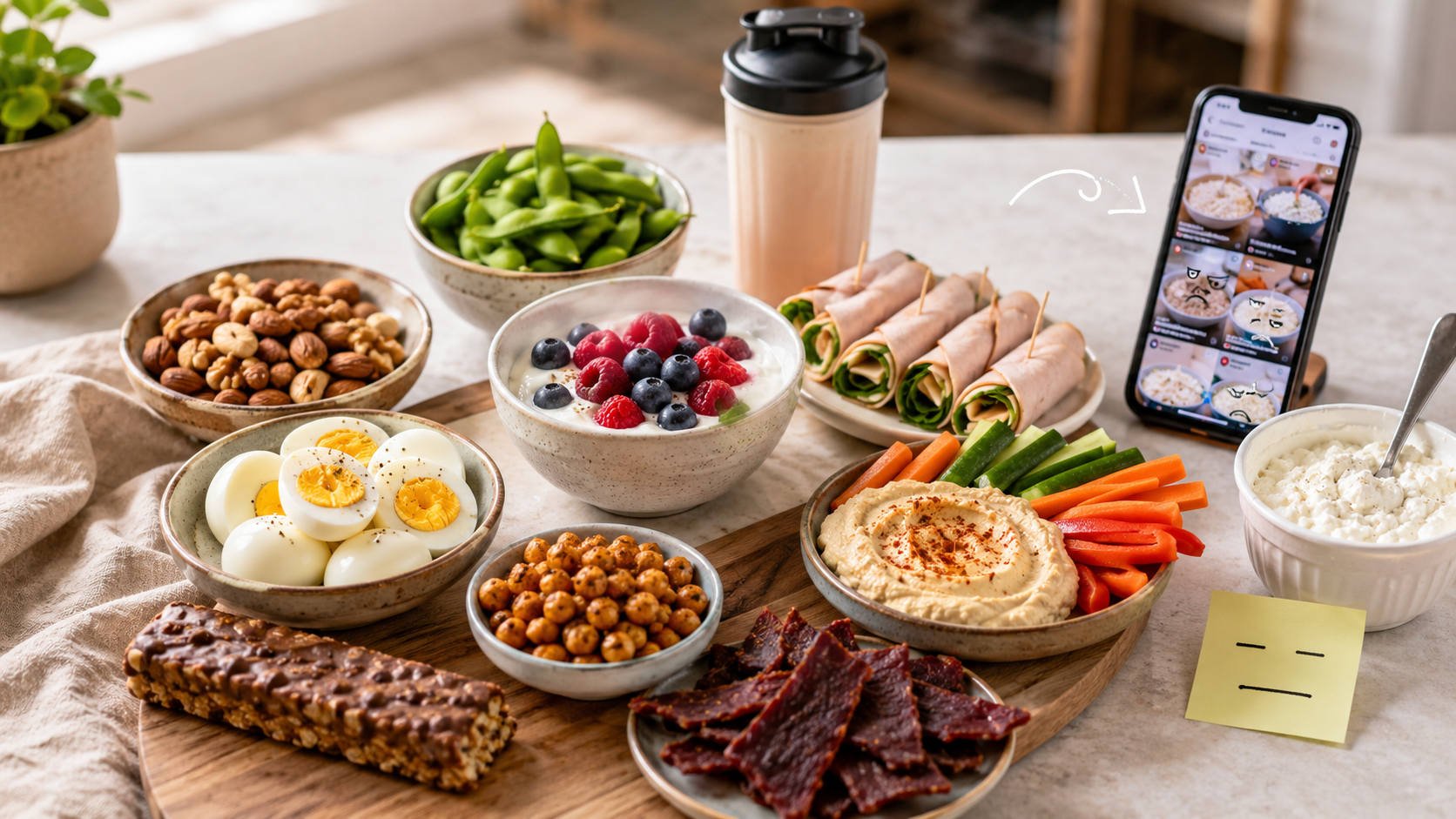
Cottage cheese has had a shocking second act. It went from “sad diet food beside canned peaches” to TikTok’s favorite protein blob, blended into ice cream, flatbread, cookie dough, pancakes, dips, sauces, and probably one day structural concrete if the algorithm gets bored enough.
And fine. Cottage cheese is useful. It is high in protein, cheap-ish, and versatile if you can get past the texture, which has the energy of dairy having a nervous breakdown. Dietitians have said the viral cottage cheese trend has some legitimate nutritional upside, especially around protein and fullness, but the claims need nuance because TikTok is not exactly a peer-reviewed nutrition department. It is a casino for people with ring lights.
Also, cottage cheese can be high in sodium and fat depending on the brand and type, which Harvard experts have specifically warned people to watch. So no, one tub of cottage cheese does not make you a wellness prophet. It makes you a person eating curds with confidence. A heroic but limited identity.
This guide is for people who want high-protein snacks but are tired of being told to blend cottage cheese into every food like a beige dairy sorcerer.
What Counts as a High-Protein Snack?
A snack does not need 40 grams of protein unless you are trying to become a small forklift.
The FDA Daily Value for protein is 50 grams for general nutrition labeling, and FDA rules define “high” or “excellent source” nutrient claims as 20% or more of the Daily Value per reference amount. For protein, that means roughly 10 grams or more can qualify as “high” in labeling terms, though labels and serving sizes still matter because food companies enjoy making basic math feel like a scavenger hunt.
For most normal snack situations, aim for:
10 grams protein: useful snack.
15–20 grams protein: solid, filling snack.
20–30 grams protein: mini-meal territory.
If you train hard, lift regularly, or are trying to build or maintain muscle, your total daily needs may be higher. The International Society of Sports Nutrition says 1.4–2.0 grams of protein per kilogram of body weight per day is enough for most exercising individuals trying to build or maintain muscle. That does not mean every snack must become a chicken breast wearing a wrapper. It means daily intake matters, spread across actual meals like a civilized mammal.
The Real Snack Formula: Protein Plus Something Else
Protein alone is not a snack. It is a building material with delusions.
The best high-protein snacks usually include protein plus at least one of these:
Carbs for energy.
Fiber for fullness.
Fat for satisfaction.
Crunch for joy.
Flavor so you do not feel like you are eating punishment.
The American Heart Association recommends choosing protein mostly from plant sources, fish and seafood, low-fat or fat-free dairy, and lean unprocessed meat or poultry. It also notes that beans, lentils, peas, nuts, peanuts, and soybeans provide protein plus fiber or healthy fats, which is far more useful than eating a lonely turkey slice over the sink like a fridge goblin.
1. Greek Yogurt That Does Not Taste Like Regret
Greek yogurt is the obvious cottage cheese escape hatch. It is high-protein, creamy, and does not look like something scraped from a haunted lasagna.
How to make it good:
Greek yogurt + berries + granola.
Greek yogurt + honey + walnuts.
Greek yogurt + ranch seasoning + vegetables.
Greek yogurt + peanut butter + banana.
Greek yogurt + cocoa powder + cherries.
Protein range: usually about 15–20 grams per cup, depending on brand and fat level.
Pro tip: plain Greek yogurt is a blank canvas. Flavored yogurt is sometimes dessert wearing gym shorts. Check added sugar if you care about that sort of thing, which you probably should unless your pancreas has hired a publicist.
2. Hard-Boiled Eggs, the Original Protein Orb
Eggs are portable, cheap, and blessedly free of influencer reinvention. Two large eggs give roughly 12 grams of protein, plus fat that makes them satisfying.
Make them less boring:
Everything bagel seasoning.
Hot sauce.
Soy sauce and sesame seeds.
Mustard and pickles.
Chili crisp.
Eggs + crackers.
Eggs + fruit.
Eggs + toast.
The only problem with hard-boiled eggs is that if you open them in an office, everyone will know. You will become the Egg Person. Choose this destiny carefully.
3. Tuna Packets With Crackers, Not Sadness
Tuna packets are high-protein, shelf-stable, cheap, and emotionally efficient. Add crackers, cucumbers, rice cakes, pickles, or pita chips and suddenly you have a real snack instead of a fish-based emergency.
Snack builds:
Tuna packet + whole-grain crackers.
Tuna + cucumber slices + hot sauce.
Tuna + avocado + rice cakes.
Tuna + Greek yogurt + mustard + pickles.
Canned light tuna is in the FDA’s “Best Choices” fish category and is generally okay at 2–3 servings per week, while albacore has more mercury and is advised less often. Translation: tuna is useful, but do not make it your only protein source unless your meal plan was written by a lighthouse keeper with no imagination.
4. Edamame: The Plant Protein That Actually Shows Up
Edamame is what people wish “healthy snacks” tasted like: salty, snackable, chewy, and not built from powder.
How to eat it:
Steamed edamame with sea salt.
Edamame with chili oil.
Shelled edamame in a snack box.
Roasted edamame for crunch.
Edamame + rice crackers.
Protein range: about 15–18 grams per cup, depending on serving.
This is one of the best plant-based high-protein snacks because soy is doing actual work here, not standing around pretending almonds alone are going to carry the protein economy.
5. Jerky, but Read the Label Like an Adult
Jerky is convenient protein. It is also frequently a sodium stick in cowboy cosplay.
Good jerky can be a great snack, especially with fruit or crackers. Bad jerky is basically leather candy with a salt addiction.
Look for:
10+ grams protein.
Lower added sugar.
Reasonable sodium.
Ingredients you can understand without a chemistry degree.
Try:
Beef jerky + apple.
Turkey jerky + pretzels.
Salmon jerky + rice crackers.
Plant-based jerky + nuts.
Jerky works best as a travel snack, not the cornerstone of your personality. If your daily protein plan is mostly dried meat, please report to the nearest vegetable.
6. Roasted Chickpeas: Crunch Without the Protein-Bar Drama
Roasted chickpeas are not as protein-dense as tuna or yogurt, but they bring fiber, crunch, and enough protein to matter.
Buy them or make them with canned chickpeas, olive oil, salt, and seasoning.
Good flavors:
Smoked paprika.
Garlic parmesan.
Ranch.
Curry.
Chili lime.
Cinnamon sugar if you enjoy confusing legumes.
Pair with string cheese, Greek yogurt dip, or hummus if you want the protein number higher. Chickpeas alone are good. Chickpeas plus another protein are better. Chickpeas pretending to be a full steakhouse are lying.
7. Turkey Roll-Ups That Don’t Feel Like Lunchbox Taxidermy
Deli turkey can be useful, but choose wisely. The American Heart Association recommends lean and unprocessed meats when choosing animal proteins, and processed meats tend to come with sodium and other concerns. So turkey roll-ups are a tool, not a religion.
Build them better:
Turkey + cheese + pickle.
Turkey + hummus + cucumber.
Turkey + avocado + everything seasoning.
Turkey + mustard + whole-grain wrap.
Turkey + apple slices.
Protein range: about 10–20 grams, depending on how much turkey and cheese you use.
Avoid the tragic version where you eat three plain turkey slices while standing in front of the fridge, staring into the middle distance like your ancestors disappointed you.
8. Protein Smoothies That Are Not Milkshakes Wearing a Fake Mustache
A smoothie can be a great high-protein snack. It can also become a 700-calorie dessert with a wellness caption. Both are legal. Only one should be called a snack.
Good formula:
Milk or soy milk.
Greek yogurt or protein powder.
Frozen fruit.
Optional nut butter.
Optional oats.
Optional spinach if you enjoy sneaking lawn into beverages.
Easy builds:
Greek yogurt + berries + milk.
Soy milk + banana + peanut butter.
Protein powder + frozen cherries + cocoa.
Kefir + mango + oats.
Milk + espresso + protein powder.
Protein range: 15–30 grams, depending on ingredients.
The trick is not adding every “healthy” thing in your kitchen until the blender becomes a compost-powered cement mixer.
9. Cottage Cheese Alternatives for People Who Have Seen Too Much
You want creamy. You want protein. You do not want curds. Fair.
Try:
Greek yogurt.
Skyr.
Kefir.
Ricotta on toast.
Labneh.
Silken tofu blended into dip.
Hummus with extra Greek yogurt.
Skyr is especially useful because it has high protein and a thicker texture without cottage cheese’s “tiny wet gravel” situation.
10. Protein Bars: Emergency Food, Not a Lifestyle Brand
Protein bars are useful when you are busy, traveling, commuting, or trapped somewhere with only vending-machine muffins and despair.
But protein bars are also where marketing goes to commit crimes in a shiny wrapper.
Use the label. The FDA says protein grams usually appear on Nutrition Facts labels, and for some nutrients, 20% Daily Value or more is considered high. For protein specifically, the grams matter because percent Daily Value may not always be shown.
Look for:
10–20 grams protein.
At least a little fiber.
Not absurdly high added sugar.
Calories that make sense for your snack goal.
A flavor you can eat without chewing through sadness.
Avoid bars that taste like sweetened drywall and leave a chalky film on your mouth, as if a gym wall kissed you.
11. Tuna’s Cooler Cousin: Canned Salmon or Sardines
Canned salmon and sardines are protein-rich, shelf-stable, and often more interesting than tuna. Also, they make you feel like a practical old-world person who owns sturdy shoes and knows how to fix a lamp.
Try:
Salmon + crackers + mustard.
Sardines + toast + lemon.
Salmon salad with Greek yogurt.
Sardines + cucumber + hot sauce.
Canned fish is not for everyone. Some people open sardines and immediately feel like they have joined a fishing village during tax season. But nutritionally? Strong move.
12. Tofu Snack Boxes for People Who Are Done With Meat Snacks
Tofu does not have to be sad. It just needs seasoning, texture, and a personality transplant.
Try:
Baked tofu cubes.
Tofu with soy sauce and sesame oil.
Air-fried tofu bites.
Tofu + peanut sauce.
Tofu + cucumber + rice crackers.
Tofu is a great snack-box protein because it takes flavor well and does not scream “protein” like a shaker bottle abandoned in a hot car.
13. Hummus Plus Something Protein-Rich
Hummus has protein, yes. But hummus alone is not the protein titan people sometimes pretend it is. It is a dip, not a personal trainer.
Make it stronger:
Hummus + boiled eggs.
Hummus + turkey roll-ups.
Hummus + roasted chickpeas.
Hummus + pita + edamame.
Hummus + grilled chicken strips.
Hummus + vegetables is good. Hummus + vegetables + protein is better. Hummus + one sad carrot is not dinner, Brenda.
14. Shrimp Cocktail: Fancy, Cold, and Actually Useful
Shrimp is lean, high-protein, and quick. Buy cooked frozen shrimp, thaw, season, and pretend you made effort. Nobody has to know the freezer did the heavy lifting.
Snack builds:
Shrimp + cocktail sauce.
Shrimp + cucumber + avocado.
Shrimp + rice crackers.
Shrimp + lime + chili.
Shrimp + Greek yogurt dip.
This is a good option when you want a high-protein snack that does not feel like gym food. It feels like you own linen napkins, even if your actual napkins are paper towels with emotional damage.
15. Peanut Butter Is Not the Protein Hero People Think It Is
Peanut butter is delicious. Peanut butter is useful. Peanut butter is not, by itself, a high-protein snack unless you plan to eat enough of it to become a jar with limbs.
Two tablespoons usually gives around 7–8 grams of protein, but also a lot of calories from fat. That is not bad. It just means peanut butter is better as a supporting actor.
Better builds:
Peanut butter + Greek yogurt dip.
Peanut butter + apple + milk.
Peanut butter + whole-grain toast.
Peanut butter + banana + protein smoothie.
Peanut butter + edamame on the side.
Peanut butter alone is not protein magic. It is nut butter with excellent branding.
16. High-Protein Snack Boxes That Don’t Require Cooking
Use the adult lunchable model, except less depressing.
Box 1:
Boiled eggs.
Crackers.
Grapes.
Pickles.
Box 2:
Greek yogurt dip.
Pita.
Carrots.
Chicken strips.
Box 3:
Turkey roll-ups.
Cheese cubes.
Cucumbers.
Apple slices.
Box 4:
Edamame.
Rice crackers.
Seaweed snacks.
Mandarin oranges.
Box 5:
Tuna packet.
Crackers.
Pickles.
Cherry tomatoes.
Protein boxes work because they remove decision-making. Decision-making is how you end up eating tortilla chips over the sink while whispering, “I deserved this.”
17. Budget High-Protein Snacks
Protein snacks do not need to come from a boutique aisle where everything has matte packaging and costs like it attended private school.
Cheap options:
Eggs.
Canned tuna.
Canned salmon.
Greek yogurt tubs.
Dry roasted edamame.
Peanut butter.
Beans.
Lentils.
Milk.
Tofu.
Chickpeas.
String cheese.
Rotisserie chicken.
Buying single-serving everything is convenient, but it is often more expensive. Portion your own yogurt, boil your own eggs, make your own snack boxes, and suddenly protein stops behaving like a luxury subscription.
18. No-Fridge High-Protein Snacks
For backpacks, desk drawers, travel, and emergency “I forgot lunch because I am a chaos puppet” moments:
Tuna packets.
Salmon packets.
Jerky.
Roasted edamame.
Roasted chickpeas.
Protein bars.
Nut packets.
Peanut butter packets.
Shelf-stable protein shakes.
Dry roasted soy nuts.
Crackers plus tuna.
For perishables like eggs, yogurt, turkey, shrimp, or chicken, use a cooler pack. USDA food safety guidance says perishable foods should not be left out of refrigeration for more than 2 hours, or 1 hour if temperatures are above 90°F. Your Greek yogurt is not a desk ornament.
19. Sweet High-Protein Snacks
For when you want dessert energy without turning the snack into a sugar parade with abs.
Try:
Greek yogurt + chocolate chips.
Protein smoothie with banana and cocoa.
Skyr + berries + honey.
Chia pudding with Greek yogurt.
Protein overnight oats.
Ricotta toast with honey.
Milk + banana + peanut butter.
Chocolate protein pudding.
Do not let the internet convince you every sweet craving needs to become “protein cookie dough.” Sometimes you want a cookie. Eat the cookie. Pair it with Greek yogurt if you want. Do not force chickpeas to live a lie as brownie batter unless everyone has consented.
20. Savory High-Protein Snacks
For people who do not want every “healthy” snack to taste like vanilla and self-improvement.
Try:
Eggs with chili crisp.
Tuna crackers.
Turkey pickle roll-ups.
Edamame with salt.
Shrimp with cocktail sauce.
Baked tofu and peanut sauce.
Hummus with chicken.
Greek yogurt ranch dip.
Cheese and roasted chickpeas.
Savory snacks are underrated because the protein industry is obsessed with birthday cake flavor, which is how we ended up with bars that taste like a candle was bullied by whey powder.
How to Pick a High-Protein Snack at the Store
Use this label checklist:
Does it have at least 10 grams of protein?
Does it have some fiber, carbs, or fat to make it satisfying?
Is the added sugar reasonable?
Is the sodium wildly high?
Do the calories make sense for a snack?
Will you actually enjoy eating it, or are you buying it because the packaging looks like it owns a gym membership?
Also, remember Harvard’s basic point: not all protein “packages” are equal. Protein can come with fiber and healthy fats, or it can come with loads of sodium, saturated fat, and processing. The protein number matters, but the company it keeps matters too.
The High-Protein Snack Rotation
Here is a simple weekly rotation so you do not become Cottage Cheese TikTok’s prisoner:
Monday: Greek yogurt, berries, granola.
Tuesday: tuna packet, crackers, pickles.
Wednesday: edamame and fruit.
Thursday: boiled eggs and toast.
Friday: turkey roll-ups and cucumbers.
Saturday: protein smoothie.
Sunday: hummus, chicken, pita, vegetables.
Repetition is fine. But if every snack is the same tub of curds, eventually your soul will start making dial-up noises.
Protein Snacks Should Not Taste Like Punishment
Cottage cheese is fine. Cottage cheese is useful. Cottage cheese does not need to be blended into every object in your kitchen like a dairy-based influencer cult.
A good high-protein snack should help you stay full, support training if you train, stabilize your energy, and taste like something a human chose willingly. Greek yogurt, eggs, tuna, salmon, edamame, tofu, jerky, shrimp, hummus combos, protein smoothies, turkey roll-ups, roasted chickpeas, and smart protein bars can all do the job.
The goal is not maximum protein at all costs.
The goal is enough protein, enough satisfaction, and enough variety that snack time does not become a sad little meeting between you and a spoonful of curds.
Eat the cottage cheese if you like it.
Skip it if you don’t.
The protein aisle is bigger than one tub of lumpy dairy with a TikTok agent.