
Low-Calorie, High-Protein Options at St-Hubert: Eat the Chicken, Dodge the Potato Avalanche
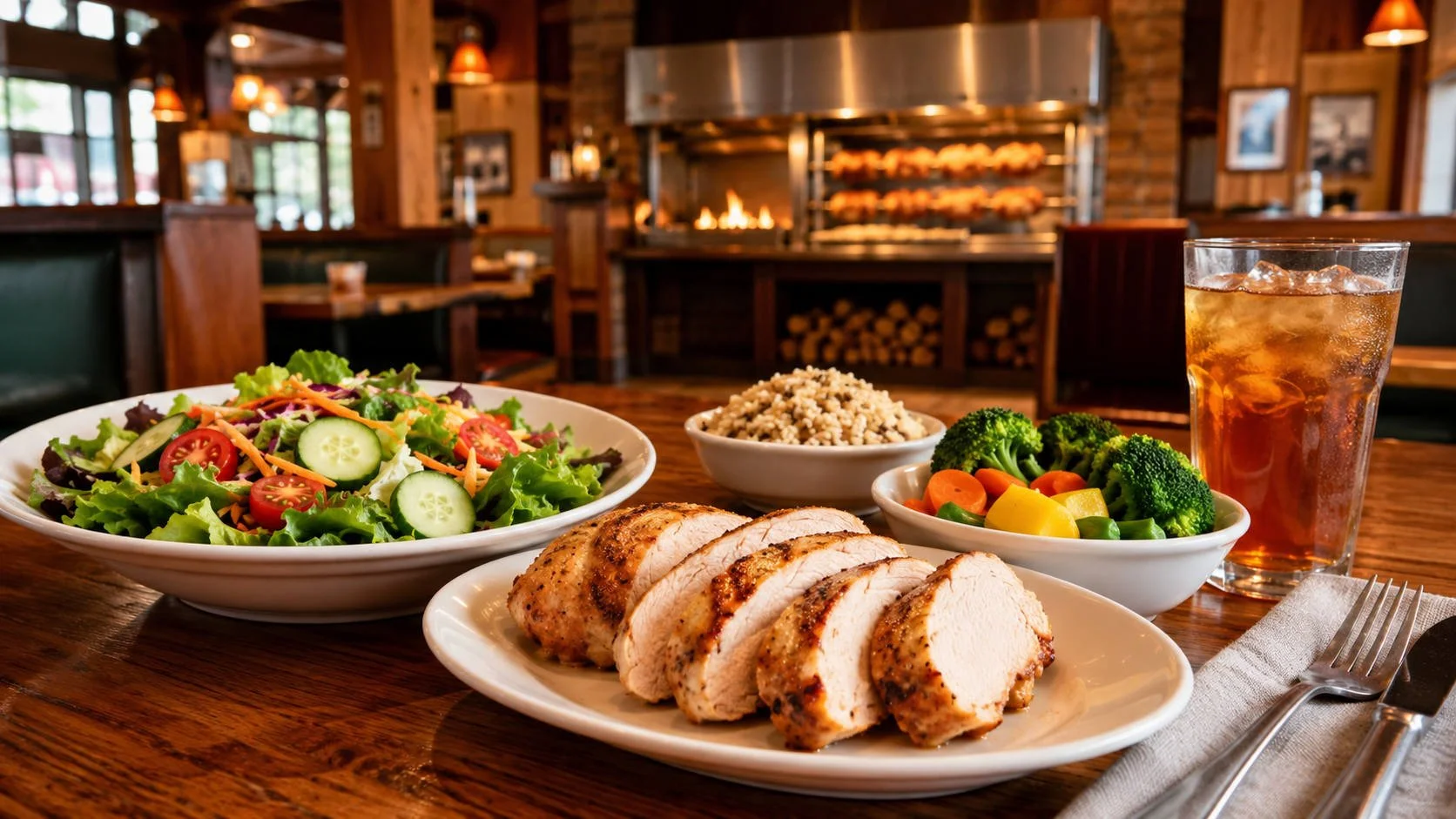
St-Hubert is one of those restaurants where the menu looks like it was designed by someone who believes chicken, gravy, fries, sauce, coleslaw, bread, and nostalgia should be legally required to appear together in public. Which is charming. Also dangerous. Because one minute you are ordering “just chicken,” and the next minute your tray has become a beige municipal infrastructure project.
The good news is that St-Hubert has several genuinely useful low-calorie, high-protein options. The better news is that most of them are exactly where you would hope: rotisserie chicken, grilled chicken, and chicken breast add-ons. The bad news is that fries, sauces, poutines, creamy dressings, and “bowls” are lurking nearby like nutritional raccoons in a trench coat.
For this guide, I’m treating “low-calorie, high-protein” as roughly under 600 calories with at least 20 grams of protein, with extra praise for anything that gets close to 40–50 grams of protein without needing a stretcher. Also, St-Hubert’s nutrition page lists many entrées without sides, while the takeout menu says rotisserie chicken meals can include a leg or breast, side, BBQ sauce, bun, and coleslaw, because apparently chicken cannot go anywhere without a tiny entourage.
Best Low-Calorie, High-Protein St-Hubert Options at a Glance
St-Hubert optionCaloriesProteinWhy it worksRoasted chicken breast add-on24349gAbsurdly efficient proteinRotisserie chicken breast40056gBest main-menu protein anchorTexas-style grilled chicken14020gTiny calorie footprint, big protein returnChicken brochette with sauce23021gSolid if you can tolerate sodium dramaHot chicken, white meat44038gGood protein, sodium is yellingClub burger, grilled chicken breast42032gBetter than crispy-burger nonsenseChicken noodle soup13010gLight starter, not a full mealCream of chicken soup16011gFine starter, not magic potion
These figures come from St-Hubert’s official nutrition information. The chicken section lists items without sides, and the salad/bowl section separately lists “protein to choice” add-ons such as roasted and grilled chicken breast.
Best Overall Pick: Rotisserie Chicken Breast
The rotisserie chicken breast is the obvious winner, which is rare because obvious restaurant choices usually involve a Caesar salad secretly built out of mayonnaise and betrayal. St-Hubert lists the rotisserie chicken breast at 400 calories, 56 grams of protein, 19 grams of fat, 580 mg sodium, and 0 grams of carbs. That is a very strong protein-to-calorie ratio for an actual entrée, not some sad little food fragment served on a white plate like a museum exhibit.
Compared with the rotisserie leg, the breast is simply doing more work. The leg has 320 calories and 27 grams of protein, which is still useful, but the breast nearly doubles the protein for only 80 more calories. The leg is not bad. It is just not the macro hero here. It is more like the side character who has one good scene and then disappears behind gravy.
The cleanest order is simple: rotisserie chicken breast, skip or minimize the bun, choose a lighter side, and go easy on sauce. This is not exciting advice. It is adult advice. Nobody throws confetti when you avoid fries, because society is broken.
Best Protein Hack: Roasted Chicken Breast Add-On
St-Hubert lists a roasted chicken breast under its salad and bowl “protein to choice” section at 243 calories and 49 grams of protein, with only 3.4 grams of fat and 0 grams of carbs. That is outrageously efficient. It is the kind of macro ratio that makes other menu items look like they were assembled during a power outage.
The catch is that this appears as a protein choice for salads and bowls, not necessarily a standalone entrée at every ordering counter. So the move is to pair it with the least ridiculous base possible. A House salad base is listed at 310 calories and 7 grams of protein, which means a House salad plus roasted chicken breast would land around 553 calories and 56 grams of protein before any ordering-system chaos, dressing weirdness, or “surely this sauce is harmless” optimism gets involved.
That is a strong order. Not glamorous. Not Instagrammable unless your audience is five nutrition coaches and a bored Labrador. But strong.
Best Tiny-Calorie Chicken Option: Texas-Style Grilled Chicken
The Texas-style grilled chicken with sauce is listed at 140 calories and 20 grams of protein, with 3.5 grams of fat and 8 grams of carbs. That is so efficient it almost looks like a clerical error sent from Protein Heaven. It is listed under chicken items without sides, so do not mentally attach fries to it and then act shocked when your “light meal” starts needing its own postal code.
The problem is sodium: it has 760 mg sodium. Not catastrophic, but not exactly “fresh mountain stream” either. Health Canada lists the sodium Daily Value for adults and children four years and older at 2,300 mg, so this little chicken piece is already about one-third of that before you add sauce, sides, soup, or the emotional support gravy cup.
Solid Choice: Chicken Brochette with Sauce
The chicken brochette with sauce comes in at 230 calories and 21 grams of protein. That is good. Not elite. Not “call the newspapers.” But good. The calorie count stays reasonable, and the protein is respectable enough to justify its existence without needing a marketing committee.
Again, sodium is the gremlin in the walls: 920 mg. That is the recurring St-Hubert theme. The chicken does its job, then sodium kicks down the door wearing a tiny crown. This does not mean you cannot order it. It means do not pair it with soup, BBQ sauce, poutine, and a salty side unless your afternoon plan involves becoming a human water tower.
Best Sandwich-Adjacent Option: Club Burger with Grilled Chicken Breast
The Club burger with grilled chicken breast is one of the better handheld choices: 420 calories and 32 grams of protein. That makes it far better than the crispy chicken breast version, which has 570 calories and 27 grams of protein. The crispy version is not a chicken sandwich; it is a breadcrumb conference with poultry attendance.
The grilled chicken burger still has 970 mg sodium, so it is not exactly spa cuisine. But as restaurant burgers go, 420 calories and 32 grams of protein is a decent trade. It is the kind of order that says, “I made an effort,” not “I have given up and now answer only to cheese.”
Surprisingly Decent: Hot Chicken, White Meat
The hot chicken with white meat has 440 calories and 38 grams of protein, which sounds excellent until you notice the 1,640 mg sodium sitting there like a villain in a folding chair. Calories? Good. Protein? Good. Sodium? Auditioning for a submarine ration.
Still, it belongs on the list because 38 grams of protein under 500 calories is genuinely useful. Just treat the sodium like a serious part of the order, not a tiny footnote hiding under the mashed potatoes. Since Health Canada’s sodium Daily Value is 2,300 mg, this one item gets you most of the way there before the rest of your day has even put on pants.
Good Starters: Chicken Noodle Soup and Cream of Chicken Soup
The chicken noodle soup is 130 calories and 10 grams of protein, while the cream of chicken soup is 160 calories and 11 grams of protein. These are useful as starters, especially if you want something warm and protein-containing without ordering a basket of fried carbohydrates in a paper coffin.
But soup is not a full high-protein meal unless your appetite is decorative. Also, the sodium is not shy: chicken noodle soup has 780 mg sodium, and cream of chicken has 710 mg sodium. Soup remains one of humanity’s great tricks: it looks innocent because it is liquid, then reveals it has been hiding salt like a pirate hiding coins.
Rotisserie Chicken Breast vs. Piri-Piri and Tikka Masala
The plain rotisserie chicken breast is the best pick. It has 400 calories and 56 grams of protein. The tikka masala rotisserie chicken breast has the same 56 grams of protein but jumps to 500 calories, and the piri-piri rotisserie chicken breast also has 56 grams of protein but climbs to 530 calories.
That is the whole lesson. Flavor costs. Sometimes worth it, sometimes not. The plain breast is the efficient accountant with clean shoes. The piri-piri breast is the same accountant after three drinks and a suspiciously expensive jacket. Still productive, but now we have questions.
Best Low-Calorie Sides at St-Hubert
The side game at St-Hubert is where many good decisions are dragged behind a wagon and left in a ditch. The mashed potatoes are one of the better calorie-controlled sides at 120 calories and 3 grams of protein, though they bring 690 mg sodium, because even potatoes apparently need to behave like cured meat.
A vegetable brochette is 80 calories, but it has less than 1 gram of protein, so it is useful for volume, vegetables, and pretending you are balanced, not for protein. The traditional coleslaw is 110 calories and 1 gram of protein, while the creamy coleslaw is 158 calories and 1 gram of protein. In other words, coleslaw is cabbage wearing dressing to a job interview.
The fries are the landmine. St-Hubert lists fries at 510 calories and 6 grams of protein. That is not a side; that is a fried potato dissertation. Sweet potato fries are lower at 340 calories and 3 grams of protein, but they are still not a high-protein side. They are just orange fries with a wellness podcast.
Sauce Strategy: The Quiet Little Calorie Goblins
St-Hubert’s classic sauce is not a huge calorie problem at 59 calories per 55 g, but it has 650 mg sodium. The St-Hubert BBQ sauce is 60 calories but has 940 mg sodium per 120 g serving. So yes, the sauce may look like a cozy chicken jacuzzi, but nutritionally it is filing paperwork as a salt delivery vehicle.
The real disaster sauces are the creamy/fat-heavy ones. Piri-piri sauce is listed at 280 calories and 29 grams of fat per 55 g, while tikka masala sauce is 210 calories and 21 grams of fat. Caesar dressing is 240 calories, white balsamic dressing is 250 calories, and spicy mayonnaise is 260 calories. These sauces do not “add flavor.” They annex the meal.
The useful move is boring and correct: ask for sauce on the side, use part of it, and do not let a condiment turn your chicken into an oil-funded regime.
Salads and Bowls: The Fake Health Department
This is where St-Hubert gets funny in the bleakest possible way. The House salad base is listed at 310 calories and 7 grams of protein, which is fine, but not a high-protein meal until you add chicken. The St-Hubert Caesar base is 658 calories and 14 grams of protein, which means the Caesar salad has already committed several crimes before protein even enters the room.
The Bangkok salad base is 570 calories, 7 grams of protein, and 54 grams of sugar. A salad with 54 grams of sugar is not a salad; it is a dessert that got lost in produce. The Strawberry and feta salad with chicken does better on protein at 45 grams, but it still has 720 calories and 46 grams of sugar. That does not make it forbidden. It just means calling it “light” would be an insult to both math and lettuce.
The St-Hub bowls are not protein champions either unless you add protein carefully. The bowl without sauce is 540 calories and 19 grams of protein, the Whisky BBQ bowl is 570 calories and 19 grams, and the piri-piri bowl is 630 calories and 19 grams. That is a lot of calories for protein numbers that are standing around like unpaid interns.
What to Avoid for Low-Calorie, High-Protein Goals
The ribs poutine is the obvious nutritional circus cannon: 1,503 calories, 95 grams of fat, and 56 grams of protein. Yes, it has protein. So does a cheeseburger eaten while sprinting from consequences. Protein does not magically erase 1,503 calories.
Regular poutine is 850 calories and 25 grams of protein, which is not “high-protein” so much as “cheese curds were present at the meeting.” The fries alone are 510 calories. Add gravy, cheese, sauce, or ribs, and suddenly your low-calorie plan is face-down in a parking lot asking what happened.
Also be careful with crispy chicken. The crispy chicken breast fillet listed as a salad/bowl protein choice has 391 calories and only 20 grams of protein, while the grilled chicken breast add-on has 109 calories and 20 grams of protein. Same protein. Nearly four times the calories. That is not a trade. That is a mugging with breadcrumbs.
Best St-Hubert Orders by Goal
For the best overall low-calorie, high-protein meal, order the rotisserie chicken breast and keep the side simple. The chicken alone gives you 400 calories and 56 grams of protein, which is the kind of efficiency most restaurant menus only achieve by accident.
For the leanest custom build, use the roasted chicken breast add-on with a simple salad base. The roasted chicken breast alone is 243 calories and 49 grams of protein, which makes it one of the best macro moves on the menu, assuming the location/order system allows the build cleanly.
For the best handheld, choose the Club burger with grilled chicken breast at 420 calories and 32 grams of protein. It is not perfect, but it beats the crispy chicken version by a comfortable margin and does not require pretending fried breading is a personality trait.
For the best light starter, choose chicken noodle soup or cream of chicken soup. They are low-calorie and contain some protein, but they are sodium-heavy enough that you should not combine them with every salty thing on the menu unless your evening plan is “hydrate like a stranded camel.”
St-Hubert Can Be High-Protein, But the Menu Wants to Distract You With Fries
The best low-calorie, high-protein options at St-Hubert are not mysterious. They are chicken. Specifically: rotisserie chicken breast, roasted chicken breast, grilled chicken breast, and, in some cases, hot chicken white meat or a grilled chicken burger. The protein is there. The menu is not hiding it in a cave guarded by riddles.
The danger is everything around the chicken. Fries. Poutine. Creamy dressings. Piri-piri sauce. Tikka sauce. BBQ sauce with enough sodium to make your ankles write a complaint letter. St-Hubert gives you perfectly useful protein, then surrounds it with calorie goblins like it is trying to test your character in a fluorescent dining room.
So order the chicken breast. Pick a side that does not require a forklift. Keep sauce on the side. Treat poutine like a delicious weather event, not a casual vegetable. And remember: protein is not a force field. It cannot protect you from a 1,503-calorie ribs poutine lumbering across the menu like a gravy-covered moose.