
Low-Calorie, High-Protein Options at P.F. Chang’s
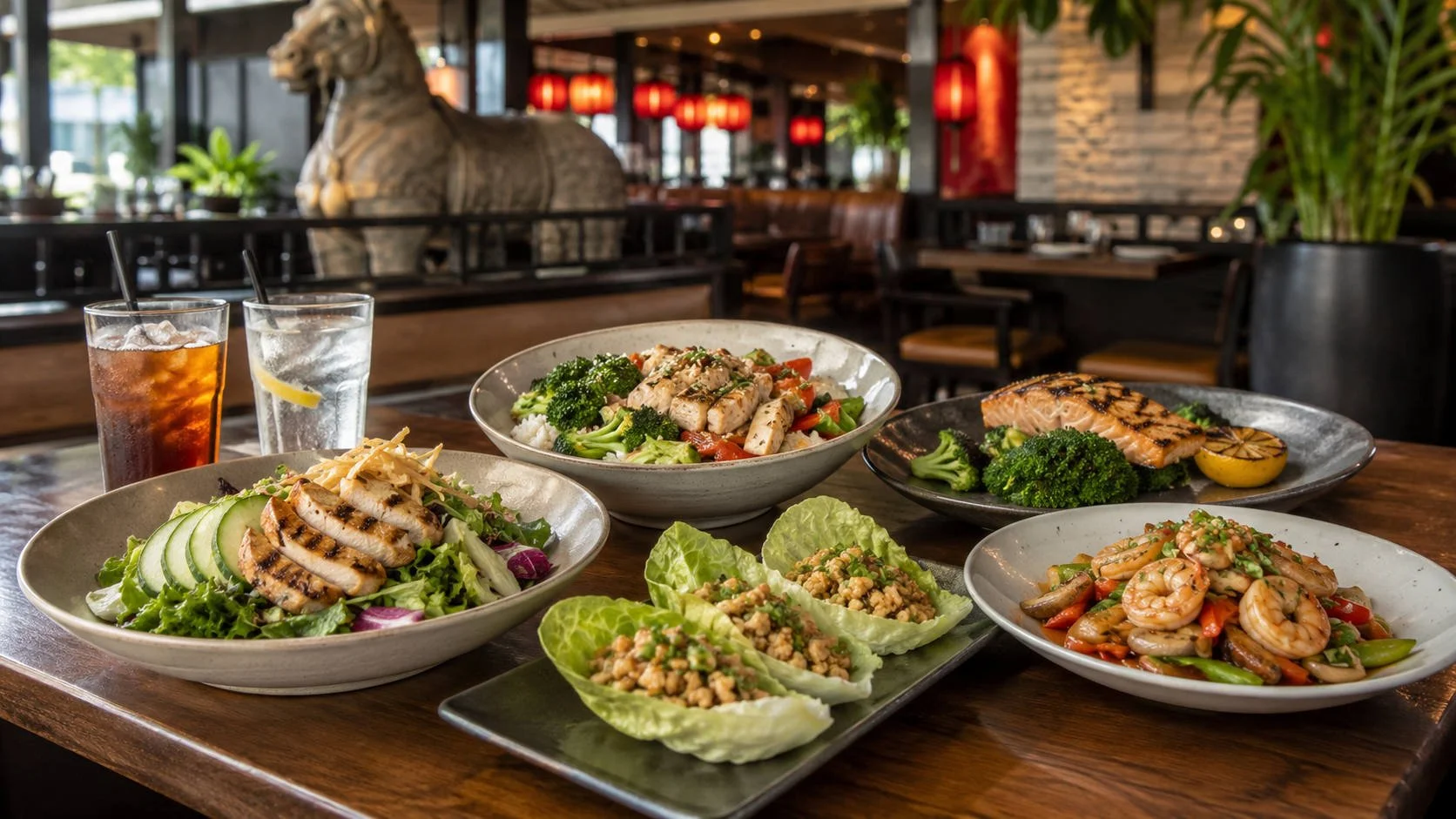
P.F. Chang’s is one of those restaurants where the menu sounds elegant until you remember half the entrées are basically chicken, sugar, oil, noodles, and sauce having a loud committee meeting in a wok. You sit down thinking, “I’ll get something light,” and then the server says “lettuce wraps,” and suddenly everyone at the table starts acting like ground chicken in sauce has the same nutritional profile as mist.
Still, P.F. Chang’s can absolutely work for a low-calorie, high-protein meal. You just have to order like someone who understands that rice is not air, noodles are not garnish, and “crispy honey” is not a wellness credential. The current P.F. Chang’s nutrition PDF is revised May 2026, and the company notes that because recipes are prepared to order, actual nutrition may differ from the listed values. Translation: your meal is made by humans, not a nutrition-label printer wearing a chef hat.
For this guide, “low-calorie” means roughly 650 calories or less, and “high-protein” means around 30 grams of protein or more. Is that an official government definition? No. It is a practical line in the sand drawn before Pad Thai arrives with 194 grams of carbs and starts doing construction work on your afternoon.
Best Low-Calorie, High-Protein P.F. Chang’s Orders
The best P.F. Chang’s orders are the ones that keep the protein high while avoiding the noodle-and-rice swamp where calories go to start families.
Chicken with Broccoli, traditional entrée: 480 calories and 60 grams of protein. This is the best overall low-calorie, high-protein order at P.F. Chang’s. It is chicken. It is broccoli. It is not pretending fried rice is a vegetable. A rare act of menu maturity.
Firecracker Shrimp, traditional entrée: 580 calories and 44 grams of protein. A solid seafood pick if you want flavor, protein, and a calorie count that does not require its own emergency contact. The sodium is high, because apparently restaurant shrimp must be seasoned like it’s preparing for winter.
Beef with Broccoli, traditional entrée: 600 calories and 46 grams of protein. A strong beef option that stays within the calorie target, provided you do not immediately shovel fried rice into the situation like a person trying to bury evidence.
Pepper Steak, traditional entrée: 600 calories and 48 grams of protein. Another good beef pick, and slightly better on protein than Beef with Broccoli. It has enough protein to matter and enough restraint to avoid becoming a sauce-based tax audit.
Chicken with Broccoli, Chef’s Feast or medium-sized: 410 calories and 43 grams of protein. This is one of the best smaller meal-deal options. It is lower calorie than the traditional version, still high in protein, and not carrying around a carb entourage like a celebrity with insecure friends.
Mongolian Beef, Chef’s Feast or medium-sized: 510 calories and 36 grams of protein. This one works, but watch the sugar and sodium. Mongolian Beef tastes great because the sauce is basically sweet, salty velvet with a gym membership it never uses.
Firecracker Shrimp, Chef’s Feast or medium-sized: 530 calories and 35 grams of protein. Another solid medium-sized seafood option, though again, the sodium is not exactly whispering gently through a bamboo forest. It is yelling from a wok.
Sesame Beef, Chef’s Feast or medium-sized: 650 calories and 32 grams of protein. This technically fits the limit, but it is standing at the doorway with one foot inside and a suspicious amount of sugar in its pockets. Fine if you want it. Not the cleanest pick.
Wonton Soup Bowl: 480 calories and 40 grams of protein. Surprisingly useful from a protein standpoint, though it also brings 2,960 milligrams of sodium, which is less “soup” and more “broth-based salt monologue.”
Gluten-Free Chang’s Chicken Lettuce Wraps: 480 calories and 30 grams of protein. This is a good gluten-free option if you want something lighter and protein-forward. The regular Chicken Lettuce Wraps are 660 calories and 38 grams of protein, which is just over the low-calorie line because apparently lettuce can only do so much when the filling arrives with sauce and ambition.
Chicken with Broccoli Is the Best Overall Order
The traditional Chicken with Broccoli is the cleanest winner: 480 calories and 60 grams of protein. That is an excellent protein return for a restaurant entrée, especially at a place where some dishes treat sugar like a structural ingredient.
This order works because it does not drag in noodles, crispy coating, or a sauce thick enough to patch drywall. You get chicken, broccoli, and enough protein to make the meal actually useful. It is not the flashiest thing on the menu, but neither is a fire extinguisher, and everyone suddenly loves one when the kitchen starts smoking.
The Chef’s Feast Chicken with Broccoli is also excellent at 410 calories and 43 grams of protein, which makes it a better pick if you want a slightly smaller portion or are doing the meal-deal thing without inviting a fried rice landslide to the table.
Firecracker Shrimp Is the Best Seafood Pick Under 650 Calories
The traditional Firecracker Shrimp is 580 calories and 44 grams of protein, which makes it the strongest seafood order under 650 calories. It has a lot of flavor, a good protein count, and enough heat to make lunch feel like it has a personality instead of a spreadsheet tattoo.
The medium-sized Chef’s Feast Firecracker Shrimp is also useful at 530 calories and 35 grams of protein. That is a better option if you want to keep calories slightly lower while still getting a legitimate protein hit.
The obvious warning is sodium. The traditional Firecracker Shrimp has 2,720 milligrams of sodium, and the Chef’s Feast version has 2,300 milligrams. So yes, the macros work, but your water glass may need emotional support afterward.
Beef with Broccoli and Pepper Steak Are the Best Beef Options
For beef, the best low-calorie, high-protein choices are Beef with Broccoli and Pepper Steak. Beef with Broccoli is 600 calories and 46 grams of protein, while Pepper Steak is 600 calories and 48 grams of protein. Both fit the target nicely, which is refreshing because many beef dishes on restaurant menus show up wearing a sauce tuxedo and immediately start billing you in calories.
These are better choices than the heavier beef entrées if you are trying to keep calories in check. Traditional Mongolian Beef is 680 calories and 54 grams of protein, which is not terrible, but it is just over the 650-calorie line. Kung Pao Beef jumps to 900 calories, and Black Pepper Filet goes all the way to 1,240 calories, because apparently filet can still make poor life choices when sauce and oil get involved.
If you want beef and want to stay lean, do not overthink this. Beef with Broccoli or Pepper Steak. Done. The menu is 900 pages long emotionally, but your order does not have to be.
Chef’s Feast Options Are Better for Calorie Control
The Chef’s Feast or medium-sized entrées are often easier to fit into a lower-calorie plan. The best options are Chicken with Broccoli at 410 calories and 43 grams of protein, Mongolian Beef at 510 calories and 36 grams of protein, and Firecracker Shrimp at 530 calories and 35 grams of protein. Sesame Beef also fits at 650 calories and 32 grams of protein, but it is less efficient and more sugar-heavy.
This is the move if you want P.F. Chang’s without ordering a traditional entrée that requires a small nap and a bowl of rice the size of a landscaping feature. Medium portions are useful because portion control is apparently the only thing standing between dinner and a noodle-based infrastructure project.
Just be careful with the Chef’s Feast noodle and rice options. Chef’s Feast Chicken Pad Thai is 1,450 calories, and Chef’s Feast Pad Thai is 1,320 calories. That is not a “medium-sized” anything. That is a carb festival with a seating chart.
Wonton Soup Bowl: High Protein, But Sodium Is Doing Parkour
The Wonton Soup Bowl has 480 calories and 40 grams of protein, which makes it a surprisingly strong option if you want something lighter than a full entrée. It is one of those meals that looks harmless because it’s soup, and soup has somehow convinced society it is incapable of crime.
But the sodium is 2,960 milligrams, which is a lot. This is not a quiet little bowl of broth. This is soup that has been given a megaphone and a salt agenda. If sodium matters to you, proceed carefully or pick a different protein option.
The Hot & Sour Soup Bowl is 480 calories and 28 grams of protein, so it barely misses the high-protein cutoff and has even more sodium at 3,720 milligrams. In other words: tasty, warm, and absolutely not here to respect your blood pressure’s personal space.
Chicken Lettuce Wraps Are Not Automatically Low-Calorie
The regular Chang’s Chicken Lettuce Wraps are 660 calories and 38 grams of protein. That is high-protein, yes, but not quite low-calorie by the 650-calorie cutoff. They miss by 10 calories, which is annoying in the way airport fees are annoying: technically small, spiritually offensive.
The half order is 440 calories and 19 grams of protein, which is lower calorie but not high-protein. The gluten-free Chicken Lettuce Wraps are more macro-friendly at 480 calories and 30 grams of protein, making them a better fit if you are ordering from the gluten-free menu.
So yes, lettuce wraps can work. Just don’t hear the word “lettuce” and assume you’ve entered a calorie-free monastery. The lettuce is just the vehicle. The filling is still driving like it stole the car.
Rice Is the Quiet Little Calorie Trap
Rice is not evil. Rice is useful. Rice has fed civilizations and absorbed sauces heroically for thousands of years. But at P.F. Chang’s, rice is also where a reasonable entrée can become a heavier meal very quickly.
An individual 6-ounce white rice serving is 220 calories and 4 grams of protein, while 6-ounce brown rice is 190 calories and 4 grams of protein. Fried rice is 500 calories and 13 grams of protein, and lo mein noodles are 560 calories and 15 grams of protein. So if the goal is low-calorie and high-protein, brown rice is the better side, fried rice is a calorie goblin in a bowl, and lo mein is basically noodles trying to become an entrée without permission.
For lunch specials, the rice portions listed are larger: white rice is 290 calories, brown rice is 250 calories, fried rice is 500 calories, and lo mein noodles are 560 calories. The lunch special nutrition values do not include rice, which is important because “does not include rice” is how a 390-calorie lunch politely becomes 640 calories before you’ve even blinked.
Best Lunch Specials for Low Calories and High Protein
Lunch specials are sneaky because the listed entrée values do not include rice. That means the entrée may look very light, and then rice enters like a beige little invoice.
Mongolian Beef lunch is 360 calories and 27 grams of protein without rice. Add brown rice and it becomes about 610 calories and 32 grams of protein, which fits the low-calorie, high-protein target. Add white rice and it hits about 650 calories and 32 grams of protein, which is right on the line.
Beef & Broccoli lunch is 390 calories and 26 grams of protein without rice. Add brown rice and you get about 640 calories and 31 grams of protein, which also works. Add white rice and it creeps to about 680 calories, which is not a tragedy, but it does wander outside the cutoff wearing a rice hat.
Kung Pao Chicken lunch is 590 calories and 29 grams of protein without rice. It is close to the protein target but not quite there, and adding rice pushes the calories up fast. Orange Chicken lunch has 680 calories and 34 grams of protein before rice, so it has protein but has already left the low-calorie party and started texting from the parking lot.
The practical lunch move is simple: choose Mongolian Beef or Beef & Broccoli, pick brown rice, and skip fried rice or lo mein unless you specifically planned for the extra calories.
Extra Protein Add-Ons Can Save a Weak Meal
P.F. Chang’s nutrition guide lists extra protein options, and the best one for calorie control is steamed chicken at 100 calories and 18 grams of protein. Wok-fried chicken is 120 calories and 16 grams of protein, wok-fried beef is 120 calories and 12 grams of protein, steamed shrimp is 40 calories and 8 grams of protein, and wok-fried shrimp is 80 calories and 12 grams of protein.
This is useful because some meals look good but come up short on protein. Add steamed chicken when possible, and suddenly your sad little protein number starts acting like it has a job. Add crispy chicken instead and you get 240 calories for 12 grams of protein, which is less impressive because crispy chicken is chicken wearing fried pajamas.
The best macro add-on is steamed chicken. The best shrimp add-on is steamed shrimp if you want the lowest calories, or wok-fried shrimp if you want a little more protein and don’t mind the extra sodium. Do not overcomplicate this. Your meal does not need to become a protein escape room.
Vegetarian Options Are Lower Protein Than They Look
Vegetarian ordering at P.F. Chang’s can be tasty, but it is not always protein-efficient. Buddha’s Feast is 480 calories and 16 grams of protein as a traditional entrée, while Stir-Fried Eggplant is 530 calories and only 4 grams of protein. Those are not high-protein meals. Those are vegetables doing theater under sauce lighting.
Ma Po Tofu is the exception on protein, with 980 calories and 58 grams of protein as a traditional entrée. That is high-protein, yes, but not low-calorie. It is the vegetarian version of “technically useful, spiritually inconvenient.”
The medium-sized Ma Po Tofu is 730 calories and 40 grams of protein, which is closer, but still above the 650-calorie target. If you are vegetarian and chasing protein, tofu can help, but P.F. Chang’s vegetarian dishes often bring enough oil and sauce to make the calorie math start sweating.
What to Avoid When Calories Matter
The obvious traps are the noodle dishes, fried rice, crispy entrées, and giant desserts. This is shocking news only to people who think “honey chicken” is a lean protein because honey comes from nature.
Traditional Chicken Pad Thai is 1,480 calories and 64 grams of protein, Shrimp Pad Thai is 1,440 calories and 56 grams of protein, and Combo Pad Thai is 1,600 calories and 74 grams of protein. Yes, those are high-protein. They are also calorie bulldozers with noodles for tires.
Traditional Fried Rice with Chicken is 1,020 calories and 54 grams of protein, while Fried Rice Combo is 1,100 calories and 56 grams of protein. Again, protein is present. That does not make it low-calorie. A bear has protein too, but nobody calls it a snack.
The crispy chicken entrées are also aggressive. Traditional Crispy Honey Chicken is 1,380 calories, Orange Chicken is 1,260 calories, and Chang’s Spicy Chicken is 1,060 calories. These are not “bad foods.” They are just not low-calorie foods, in the same way a parade float is not compact transportation.
And dessert? The Great Wall of Chocolate is 1,940 calories. That is not dessert. That is a zoning dispute with frosting. Banana Spring Rolls are 940 calories, and New York-Style Cheesecake is 960 calories, because apparently ending dinner needed to feel like signing a mortgage.
Easy Low-Calorie, High-Protein P.F. Chang’s Meal Ideas
Chicken with Broccoli, traditional entrée: 480 calories and 60 grams of protein. Best overall pick. Cleanest macro win. Broccoli finally gets to stand near success.
Chicken with Broccoli, Chef’s Feast: 410 calories and 43 grams of protein. Best smaller portion if you want high protein without committing to the full entrée.
Firecracker Shrimp, traditional entrée: 580 calories and 44 grams of protein. Best seafood option under 650 calories, but high sodium. Bring water and humility.
Beef with Broccoli, traditional entrée: 600 calories and 46 grams of protein. Best classic beef option. Do not bury it under fried rice unless that is the plan.
Pepper Steak, traditional entrée: 600 calories and 48 grams of protein. Another excellent beef order with strong protein and reasonable calories.
Wonton Soup Bowl: 480 calories and 40 grams of protein. Good protein, high sodium, soup pretending it is innocent.
Mongolian Beef lunch with brown rice: about 610 calories and 32 grams of protein. One of the better lunch builds when you include rice.
Beef & Broccoli lunch with brown rice: about 640 calories and 31 grams of protein. Another solid lunch option if you want rice and still want to stay near the target.
How to Order Low-Calorie, High-Protein at P.F. Chang’s
Start with Chicken with Broccoli, Firecracker Shrimp, Beef with Broccoli, Pepper Steak, or a smart Chef’s Feast portion. These are the orders that actually behave. They provide real protein without dragging your meal through a swamp of fried coating, sugar glaze, noodles, and rice piled high enough to affect local weather patterns.
Choose brown rice if you need a side, and keep the portion in check. Brown rice is lower calorie than white rice in the individual serving, and both are far lighter than fried rice or lo mein. Fried rice and lo mein are not sides in this situation. They are side quests with boss music.
Use extra protein strategically. Steamed chicken is the cleanest add-on at 100 calories and 18 grams of protein, which is useful when you need more protein without adding a full second entrée like a person building a buffet in self-defense.
Skip the obvious calorie traps when your goal is lean protein: Pad Thai, fried rice entrées, crispy honey dishes, Orange Chicken, big desserts, and anything that sounds like it was named by a sauce committee with no adult supervision.
P.F. Chang’s can absolutely work for a low-calorie, high-protein meal. You just have to remember the hierarchy: chicken with broccoli is the hero, shrimp is useful until sodium starts yelling, beef can behave, brown rice is manageable, fried rice is a trap in a bowl, lo mein is noodles with a fake passport, and The Great Wall of Chocolate is less a dessert and more a cocoa-based architectural threat.