
How to Get Maximum Fiber When Eating Breakfast at a Restaurant
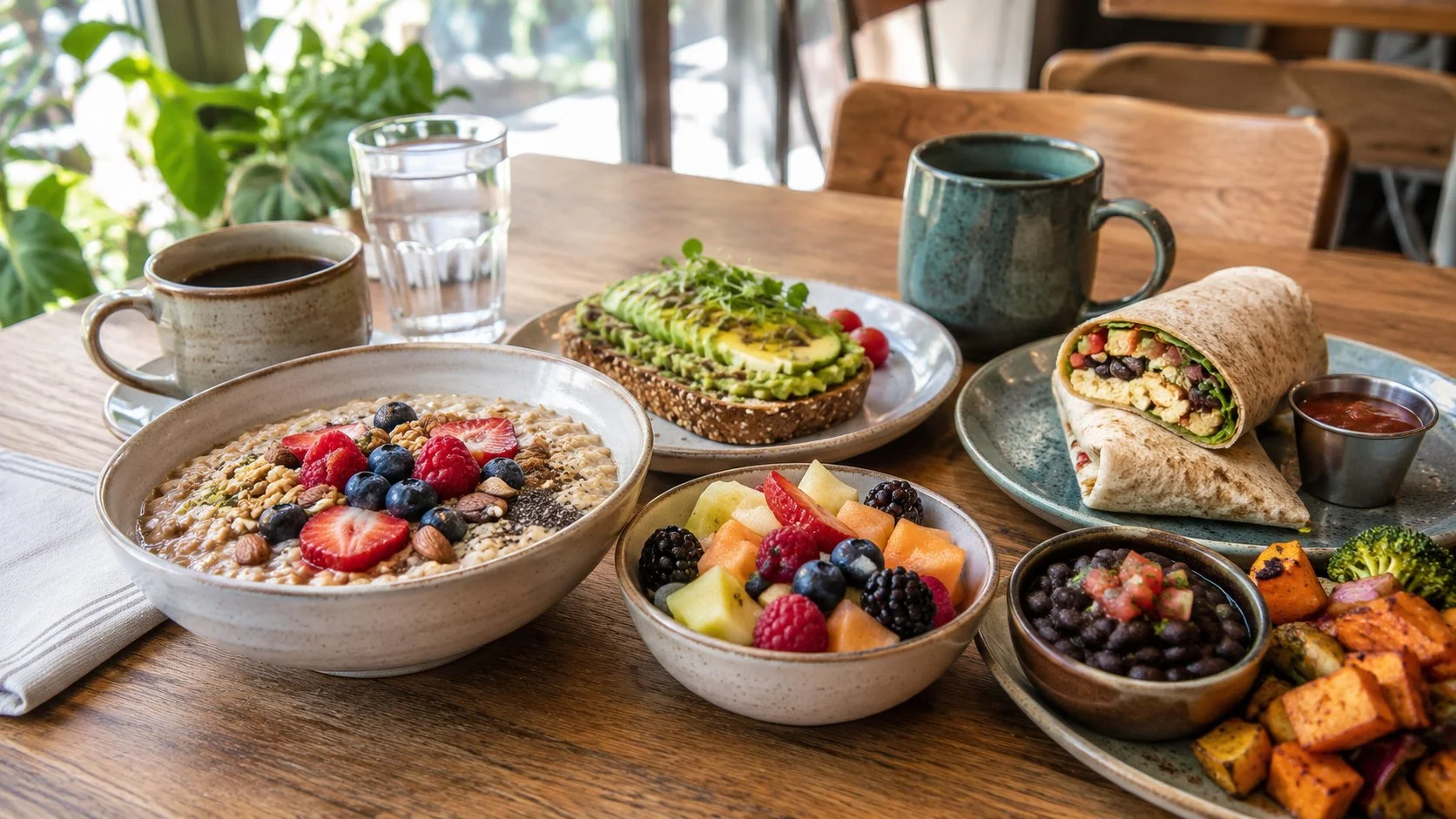
Eating breakfast at a restaurant can be a beautiful thing. Someone else makes the eggs. Someone else refills the coffee. Someone else deals with the dishes, which is the closest most adults get to being royalty without inheriting a minor European tax scandal.
But if your goal is to get maximum fiber, restaurant breakfast becomes a minefield.
The menu looks innocent. Oatmeal. Toast. Pancakes. Muffins. Bagels. Breakfast burritos. Smoothies. Fruit cups. It all sounds vaguely breakfast-shaped and therefore morally acceptable. But then you look closer and realize half the options are just refined flour wearing maple syrup like a graduation robe.
Fiber is not hiding in the croissant. Fiber is not living inside whipped cream. Fiber is not meaningfully present in orange juice just because an orange was once emotionally involved. Fiber comes from plant foods like whole grains, fruits, vegetables, beans, lentils, nuts, and seeds. Restaurants can give you those things, but you usually have to ask for them like you are negotiating with a hostage-taker who owns a waffle iron.
The FDA lists the Daily Value for dietary fiber at 28g, and says 20% Daily Value or more is considered high for a nutrient. That means about 6g fiber is a useful “high-fiber” target for one restaurant item or side. Better yet, aim for 10g or more fiber at breakfast if the menu allows it, because starting your day with actual fiber instead of pastry fog is generally a good idea.
The Restaurant Breakfast Rule: Build Fiber First, Then Add Protein
The best high-fiber restaurant breakfast is not complicated.
Order this structure:
Whole grain or beans + fruit + vegetables + protein.
That is the entire system. Everything else is just menu theater.
A good restaurant breakfast might be oatmeal with berries and nuts plus eggs. Or a veggie omelet with whole-wheat toast and fruit. Or a breakfast burrito with eggs, black beans, vegetables, and salsa. Or avocado toast on whole-grain bread with a side of berries and Greek yogurt.
Notice what is not there: a giant muffin, a stack of pancakes, hash browns, a glass of orange juice, and a latte that tastes like melted birthday cake.
Those foods can be delicious. They are also not the maximum-fiber move. They are breakfast’s little circus animals, trained to distract you while the fiber quietly leaves through the back door.
Best Overall High-Fiber Restaurant Breakfast
Buy this:
Oatmeal with berries, nuts or seeds, plus eggs or Greek yogurt.
This is the easiest high-fiber restaurant breakfast because oatmeal is widely available and easy to upgrade. One cup of cooked instant oatmeal has about 4g fiber, raspberries have about 8g fiber per cup, and an apple with skin has about 4.5g fiber. Add nuts or seeds if the restaurant has them, and suddenly breakfast is doing actual work instead of just wearing cinnamon and hoping for applause.
The protein matters too. Oatmeal alone can be useful, but oatmeal plus eggs or Greek yogurt is better because it gives you fiber and staying power. Fiber helps fullness, and high-fiber foods tend to be more filling than low-fiber foods. This is useful because nobody wants to eat breakfast at 8:00 and then start hunting for a muffin at 9:17 like a raccoon with email.
Ask for:
“Oatmeal with berries, nuts or seeds, no brown sugar packet, plus two eggs or Greek yogurt.”
Avoid:
Brown sugar oatmeal with syrup, dried fruit, sweetened granola, and no protein.
That is how oatmeal becomes dessert porridge. Very cozy. Very sweet. Very “why am I hungry again before my second coffee?”
Best Diner Breakfast for Maximum Fiber
Buy this:
Veggie omelet + whole-wheat toast + fruit.
This is the diner order that actually behaves. Eggs bring protein. Vegetables bring fiber and volume. Whole-wheat toast adds more fiber than white toast because refining grains removes the bran, which lowers fiber. Fruit adds even more, especially if it has skin or seeds.
Ask for extra vegetables in the omelet: spinach, peppers, onions, mushrooms, tomatoes, broccoli, whatever they have that did not previously live in a fryer. Add whole-wheat toast. Choose fruit instead of hash browns.
A good script:
“Veggie omelet with extra vegetables, whole-wheat toast, and fruit instead of potatoes.”
Avoid:
Cheese omelet, white toast, hash browns, and juice.
That order is not evil. It is just not fiber-maxing. It is eggs sitting in a beige witness protection program.
Best Mexican Restaurant Breakfast for Fiber
Buy this:
Breakfast burrito or bowl with eggs, black beans or pinto beans, vegetables, salsa, and avocado.
Beans are the breakfast cheat code. They bring fiber and protein at the same time, which is rare because most restaurant breakfast foods act like they had to choose a major and picked “butter.” Mayo Clinic lists beans, peas, and other legumes among good fiber choices, and this is why Mexican-style breakfasts are often much easier to turn into high-fiber meals than pancake-house breakfasts.
Order the burrito with beans, eggs, peppers, onions, salsa, and avocado. If there is a whole-wheat tortilla, use it. If there is no whole-wheat tortilla, fine. The beans are still doing the job. If the restaurant offers a bowl instead of a tortilla, even better: you can usually add extra beans and vegetables without turning the meal into a tortilla suitcase.
Ask for:
“Breakfast burrito or bowl with eggs, black beans, extra vegetables, salsa, and avocado. Easy on cheese and sour cream.”
Avoid:
Burrito with eggs, bacon, potatoes, cheese, sour cream, and no beans.
That is not a high-fiber breakfast burrito. That is a potato-and-cheese sleeping bag with egg gossip.
Best Coffee Shop Breakfast for Fiber
Buy this:
Oatmeal + fruit + nuts, plus egg bites or Greek yogurt.
Most coffee shops are basically pastry museums with espresso machines, so you must order defensively. The muffin is not your friend. The croissant is not your friend. The lemon loaf is not your friend. They are delicious acquaintances who will ruin your fiber goal and then leave crumbs in your car.
The oatmeal is usually the best fiber base. Add berries, banana, apple, nuts, or seeds if available. Pair it with egg bites, Greek yogurt, or a protein drink if you need protein. The goal is not just fiber. The goal is fiber plus enough protein that you do not spend the morning staring at a vending machine like it owes you money.
Ask for:
“Plain oatmeal with fruit and nuts, plus egg bites or Greek yogurt.”
Avoid:
Muffin and sweet latte.
That is not breakfast. That is cake and hot sugar milk having a staff meeting.
Best Hotel Breakfast Buffet Strategy
Buy this:
Oatmeal with berries, nuts, seeds, and fruit, plus eggs.
Hotel breakfast buffets are dangerous because everything is “free,” and free food turns normal adults into unsupervised raccoons. Suddenly someone who eats one slice of toast at home is building a plate with waffles, sausage, cereal, yogurt, melon, hash browns, and a muffin “for later,” which is buffet code for “for 11 minutes from now.”
Go straight to the oatmeal. Add berries if they exist. Add nuts or seeds. Add a banana or apple. Then get eggs for protein. If there are beans, vegetables, or whole-grain toast, add those too.
Best plate:
Oatmeal + berries + nuts/seeds + eggs + fruit.
Avoid:
Waffle + syrup + muffin + juice.
That is a sugar parade with a nap scheduled afterward.
Best Brunch Order for Fiber
Buy this:
Avocado toast on whole-grain bread with eggs and fruit.
Avocado toast is often mocked because it costs $17 and arrives with the confidence of a small mortgage payment. But it can be a good fiber breakfast if the bread is whole grain and the plate includes eggs or another protein.
Whole-wheat bread has about 2g fiber per slice, and fruit like apples, pears, berries, and oranges can add meaningful fiber. Mayo Clinic lists raspberries, pears, apples with skin, bananas, oranges, and strawberries as common fruit sources of fiber.
Ask for:
“Avocado toast on whole-grain bread with eggs, plus fruit.”
Avoid:
Avocado toast on white sourdough with a side of fries and a mimosa flight.
That is brunch doing what brunch does best: taking a decent idea and covering it in vibes until nutrition has to call a rideshare.
Best Southern-Style Breakfast for Fiber
Buy this:
Eggs + beans or greens + fruit.
Southern breakfast can be wonderful, but it can also become a biscuit-and-gravy landslide before anyone has time to say “maybe just one.” If the restaurant has pinto beans, black-eyed peas, greens, fruit, oatmeal, or whole-wheat toast, use them.
Beans and greens are your friends. Biscuits are your charming enemies. Gravy is a warm beige fog that wants to erase your plans.
Ask for:
“Eggs with pinto beans or greens, fruit on the side, and whole-wheat toast if available.”
Avoid:
Biscuits and gravy with hash browns.
Again, delicious. But if your goal is maximum fiber, biscuits and gravy are basically breakfast wearing a weighted blanket.
Best Smoothie Bar Breakfast for Fiber
Buy this:
Smoothie with berries, chia or flax, oats, Greek yogurt or protein, and no juice base.
Smoothies can be great or completely useless depending on what goes into them. A smoothie made with berries, oats, chia, flax, and Greek yogurt can be high in fiber and protein. A smoothie made with juice, sherbet, banana, and frozen yogurt is dessert in a cup that learned wellness vocabulary.
The biggest smoothie rule is this:
Use whole fruit, not juice.
Removing pulp from fruit juice lowers fiber, which is why orange juice is not the same as eating an orange. It is orange-flavored optimism with the fiber removed.
Ask for:
“Berry smoothie with Greek yogurt or protein, oats, chia or flax, no juice, no added sugar.”
Avoid:
Tropical smoothie with juice, frozen yogurt, and honey.
That is not a fiber breakfast. That is a beach vacation for sugar.
Best Fast-Food Breakfast Fiber Hack
Buy this:
Egg sandwich on whole grain or English muffin + apple slices or oatmeal.
Fast-food breakfast is usually not designed for fiber. It is designed for speed, salt, cheese, and the emotional stability of a hot sandwich in a paper wrapper. But you can still do better.
Choose an egg sandwich on the best grain option available. Add apple slices, fruit, or oatmeal if the restaurant has it. Skip the hash browns unless you actually want hash browns. Hash browns may technically come from potatoes, but most fast-food versions are not exactly fiber royalty. They are fried potato tiles with branding.
Ask for:
“Egg sandwich, fruit side or oatmeal, coffee or water.”
Avoid:
Sausage biscuit, hash browns, and orange juice.
That order has breakfast energy, yes. Fiber energy, no. The biscuit has filed a missing-person report for the bran.
The 10 Best Fiber Add-Ons to Ask For at Breakfast
Here is the cheat sheet. These are the add-ons that actually help:
Berries
Raspberries are especially strong, with about 8g fiber per cup. Strawberries are useful too.
Apple with skin
A medium apple with skin has about 4.5g fiber. The skin matters. Do not peel away the useful part like a villain in a low-budget nutrition documentary.
Pear
A medium pear has about 5.5g fiber, making it one of the better restaurant fruit sides if available.
Oatmeal
A cup of cooked instant oatmeal has about 4g fiber before toppings. Add berries and nuts, and it becomes much better.
Whole-wheat toast
Whole-wheat bread has about 2g fiber per slice, which beats white toast standing there with the nutritional depth of printer paper.
Beans
Beans and legumes are among the best fiber choices and also bring protein, making them the rare breakfast add-on that is not just pretending to help.
Avocado
Useful for fiber and fullness. Not a protein food. Avocado has many talents, but bench-pressing is not one of them.
Vegetables
Ask for extra spinach, peppers, onions, mushrooms, tomatoes, broccoli, or greens. Vegetables are not garnish. They are the assignment.
Nuts and seeds
Good fiber add-ons, especially in oatmeal, yogurt bowls, and smoothies. Also useful for texture, because plain oatmeal can taste like warm paperwork.
Chia or flaxseed
Great if a smoothie bar or café offers them. Ask directly. Do not assume they are included just because the menu has a leaf icon and a font that looks like yoga.
What to Avoid When You Want Maximum Fiber
Avoid these as your default breakfast order:
Juice
Eat fruit instead. Juice loses much of the fiber when the pulp or skin is removed.
White toast and plain bagels
Refined grains are generally lower in fiber than whole-grain versions because refining removes the bran.
Pancakes and waffles
Unless they are specifically whole grain or high fiber, they are usually refined-flour syrup platforms.
Muffins
Muffins love pretending to be wholesome because one blueberry is trapped inside. Do not be manipulated by cake wearing a paper cup.
Croissants and biscuits
Excellent butter architecture. Weak fiber strategy.
Hash browns as your main plant
Potatoes can have fiber, especially with skin, but fried breakfast potatoes are usually not the best way to max it out. They are the side dish equivalent of “technically.”
Sweetened yogurt parfaits
Some are useful. Some are sugar bowls with granola confetti. Ask for plain Greek yogurt and fruit when possible.
Creamy sauces and gravy
They are not fiber. They are breakfast fog.
The Best Script to Use at Almost Any Restaurant
Use this:
“Can I get the veggie omelet with extra vegetables, whole-wheat toast, and fruit instead of potatoes?”
Or this:
“Can I get oatmeal with berries and nuts, plus eggs or Greek yogurt?”
Or this:
“Can I get the breakfast burrito with beans, eggs, vegetables, salsa, and avocado?”
These three orders will solve most restaurant breakfast situations. Not all, because some places insist on serving breakfast like vegetables are illegal after 10 a.m., but most.
Maximum Fiber at Breakfast Means Ordering Like the Menu Is Trying to Distract You
The best way to get maximum fiber when eating breakfast at a restaurant is to build the meal around oatmeal, berries, whole-grain toast, beans, vegetables, avocado, nuts, seeds, and whole fruit. Add protein from eggs, Greek yogurt, lean meat, tofu, or beans so the meal actually keeps you full instead of just giving your digestive system a brief motivational poster.
The best default orders are:
Oatmeal with berries, nuts or seeds, plus eggs or Greek yogurt.
Veggie omelet with whole-wheat toast and fruit.
Breakfast burrito or bowl with eggs, beans, vegetables, salsa, and avocado.
Avocado toast on whole-grain bread with eggs and fruit.
Avoid juice, pastries, white toast, pancakes, waffles, croissants, biscuits, syrup floods, hash-brown dependency, and muffins pretending they are health food because a berry wandered inside and got trapped.
Restaurant breakfast can absolutely be high fiber.
But you have to order the plants on purpose, because the pancake stack is not going to do the right thing voluntarily.