Why Crumbl Cookies Are Built to Destroy Portion Control
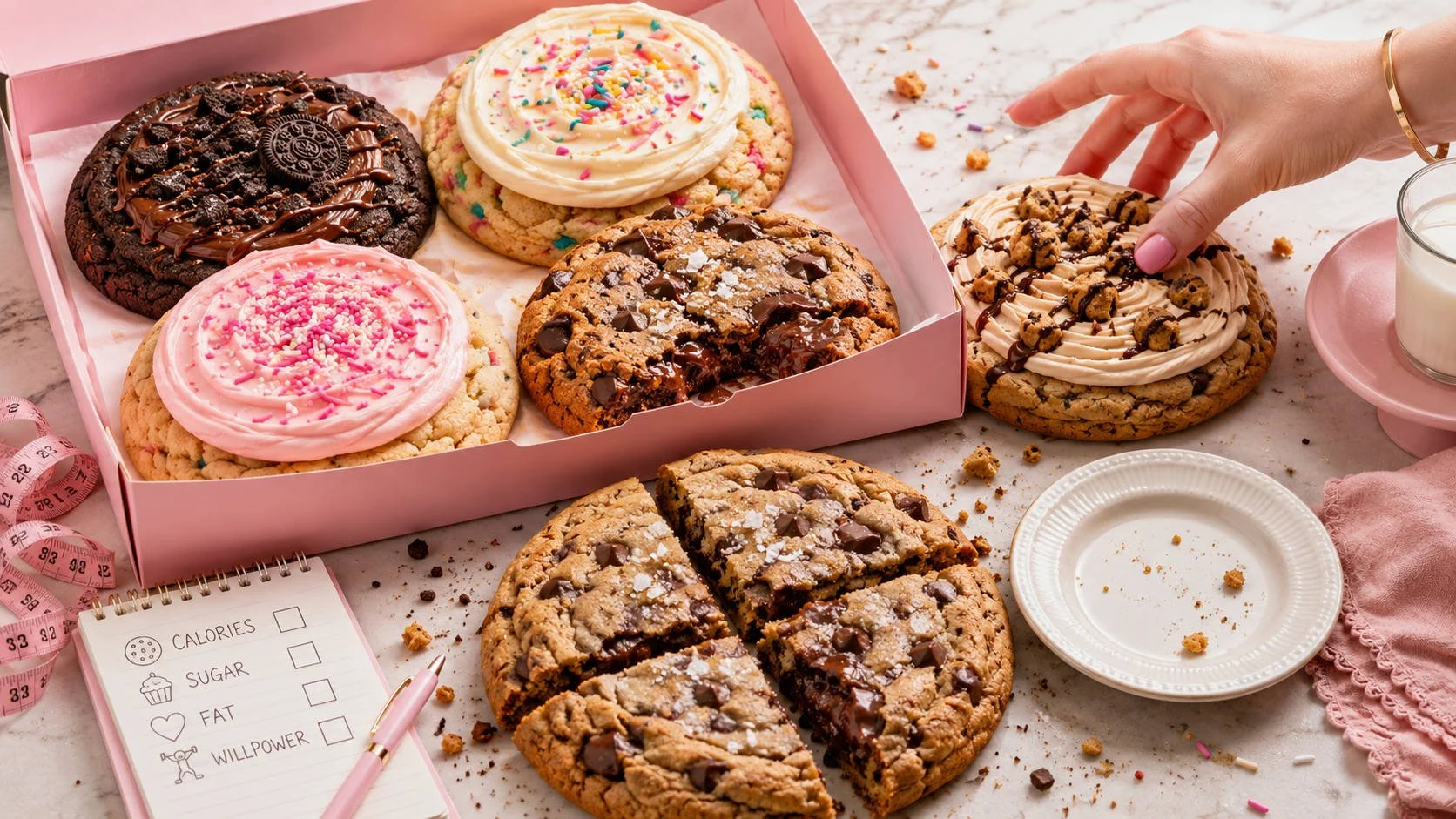
Crumbl cookies are not cookies in the traditional sense. A normal cookie is a pleasant little baked good. A snack. A small circular agreement between flour and joy. A Crumbl cookie, meanwhile, is a frosted dessert manhole cover that arrives in a pink box like it has just been released from a luxury prison. It is technically a cookie in the same way a hot tub is technically a cup of water.
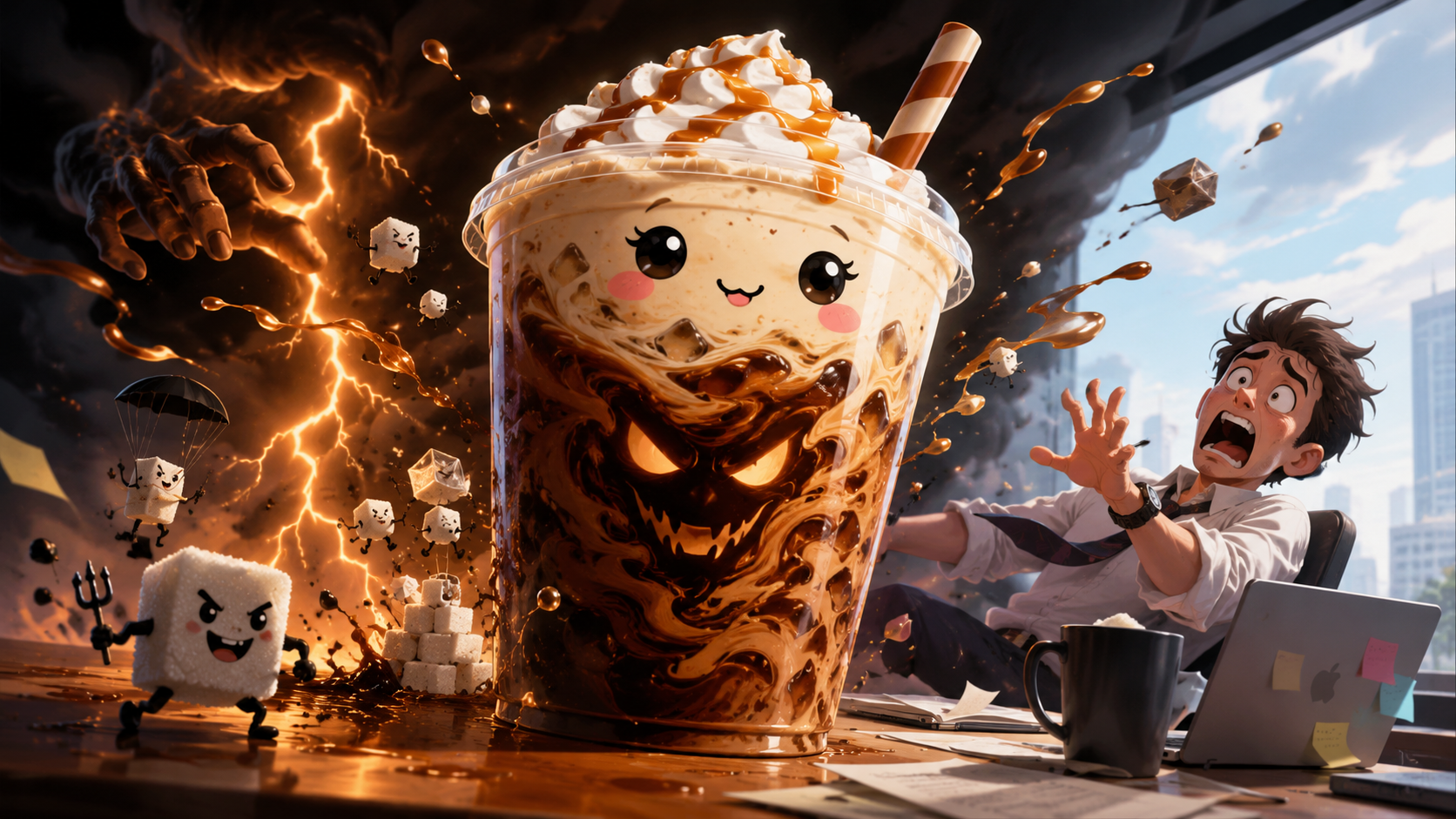
And yes, they are delicious. That is part of the problem. Crumbl is not failing at dessert. Crumbl is succeeding at dessert so violently that portion control has to sit in the corner wearing a helmet.
The entire Crumbl experience is engineered around the exact things that make people bad at moderation: oversized portions, limited-time flavors, social media bait, variety, frosting applied with the emotional restraint of a toddler decorating a warship, and packaging that quietly suggests four cookies is a casual amount of cookie to own. This is not a snack ecosystem. This is a sugar-based hostage negotiation.
Crumbl Cookies and Portion Control: The Cookie Is Too Damn Big
The first and most obvious reason Crumbl destroys portion control is that the cookies are enormous. They are not “have one after dinner” cookies. They are “cut this into pieces and alert the zoning board” cookies.
The FDA’s reference amount customarily consumed for cookies is 30 grams. That does not mean 30 grams is some holy commandment delivered by the Snack Angel Gabriel, but it does show what standard cookie labeling thinks a cookie portion looks like. Crumbl exists several exits past that idea, waving from a frosted monster truck.
A current Crumbl nutrition page for one U.S. store lists large desserts like a S’mores Cookie at 720 calories, Brownie Batter Cookie at 690 calories, Fruity Cereal Milk Tres Leches Cake at 980 calories, French Toast Cookie at 850 calories, and Pink Sugar Cookie at 760 calories. The same page notes that nutrition can vary because of regional differences, ingredient substitutions, and store-level product assembly or size differences, because apparently even the cookie has local weather patterns.
That is the trick. A Crumbl cookie looks like “one cookie,” but nutritionally behaves more like a full dessert platter that somehow got flattened under a cartoon anvil.
The “One Cookie” Lie: A Single Unit Is Not Always a Single Portion
Humans are hilariously bad at portion math. We see one object and think, “That must be one serving.” One muffin. One burrito. One milkshake. One cookie the size of a catcher’s mitt. Our brains are not designed to interrogate baked goods like forensic accountants.
The FDA specifically warns that serving size is based on what people typically eat, not what they should eat, and that if you eat more than one serving, you have to multiply the calories and nutrients accordingly. Astonishingly, mathematics continues to apply even when frosting is involved.
Health Canada says basically the same thing: serving size represents an amount typically eaten in one sitting, is based on a reference amount, and is not a recommendation. Your portion may or may not match the serving size. Translation: the label is not your babysitter. It will not dive across the room and slap the cookie wedge out of your hand.
Crumbl’s genius is visual. One cookie feels like one decision. But with some Crumbl items, that one decision can carry the energy load of an entire meal, plus a dessert, plus a small apology note from your pancreas.
Crumbl Calories Are Sneaky Because Dessert Has Better PR Than Dinner
Nobody sees a cookie and thinks, “This could be 850 calories.” People reserve that kind of suspicion for cheeseburgers, nachos, and pasta served in a bowl big enough to bathe a French bulldog.
Cookies have soft branding. They are childhood-coded. Grandmother-coded. Lunchbox-coded. A cookie sounds innocent. A Crumbl cookie, however, has frosting, filling, drizzle, candy bits, cream cheese, chocolate chunks, cereal, syrup, pie toppings, and sometimes the architectural ambition of a boutique hotel lobby.
Crumbl’s own current weekly menu descriptions include items like a cereal-soaked tres leches cake topped with whipped cream and streusel, a blueberry pancake cookie with glaze and buttercream, a Pop-Tarts-themed frosted strawberry cookie, and a French toast cookie with buttercream plus syrup for drizzling. These are not cookies quietly minding their business. These are desserts wearing cookie hats to sneak past security.
This is why portion control collapses. Your brain files it under “cookie,” but your body receives “dessert casserole with circular branding.”
The Weekly Crumbl Menu Turns Moderation Into a Timed Exam
Crumbl does not merely sell cookies. It drops flavors. Like sneakers. Like concert tickets. Like classified government documents for people who own Stanley cups.
Crumbl’s site says new and returning weekly flavors drop every Monday and tells customers to try them “before they’re gone.” Current menu items are explicitly labeled “This Week Only.” That is not just a menu. That is a tiny scarcity siren mounted directly to your appetite.
Scarcity is deadly for portion control because it converts dessert from “something I might enjoy” into “an event I must experience before history steals it from me.” Suddenly you are not buying a cookie. You are preserving culture. You are archiving pastry. You are a museum curator with frosting on your steering wheel.
This is how a reasonable person ends up saying, “We should get the four-pack so we can try them.” Ah yes, “try them,” the ancient phrase used by civilizations right before they eat 3,000 calories in a parked Hyundai.
The Pink Box Is a Portion-Control Crime Scene
Crumbl’s pink box is famous for a reason. It is instantly recognizable, camera-friendly, and specifically designed to fit cookies side by side in 4-pack, 6-pack, and 12-pack boxes. Crumbl says the 4-pack pink box was developed in 2018 and designed to be recognizable and Instagrammable.
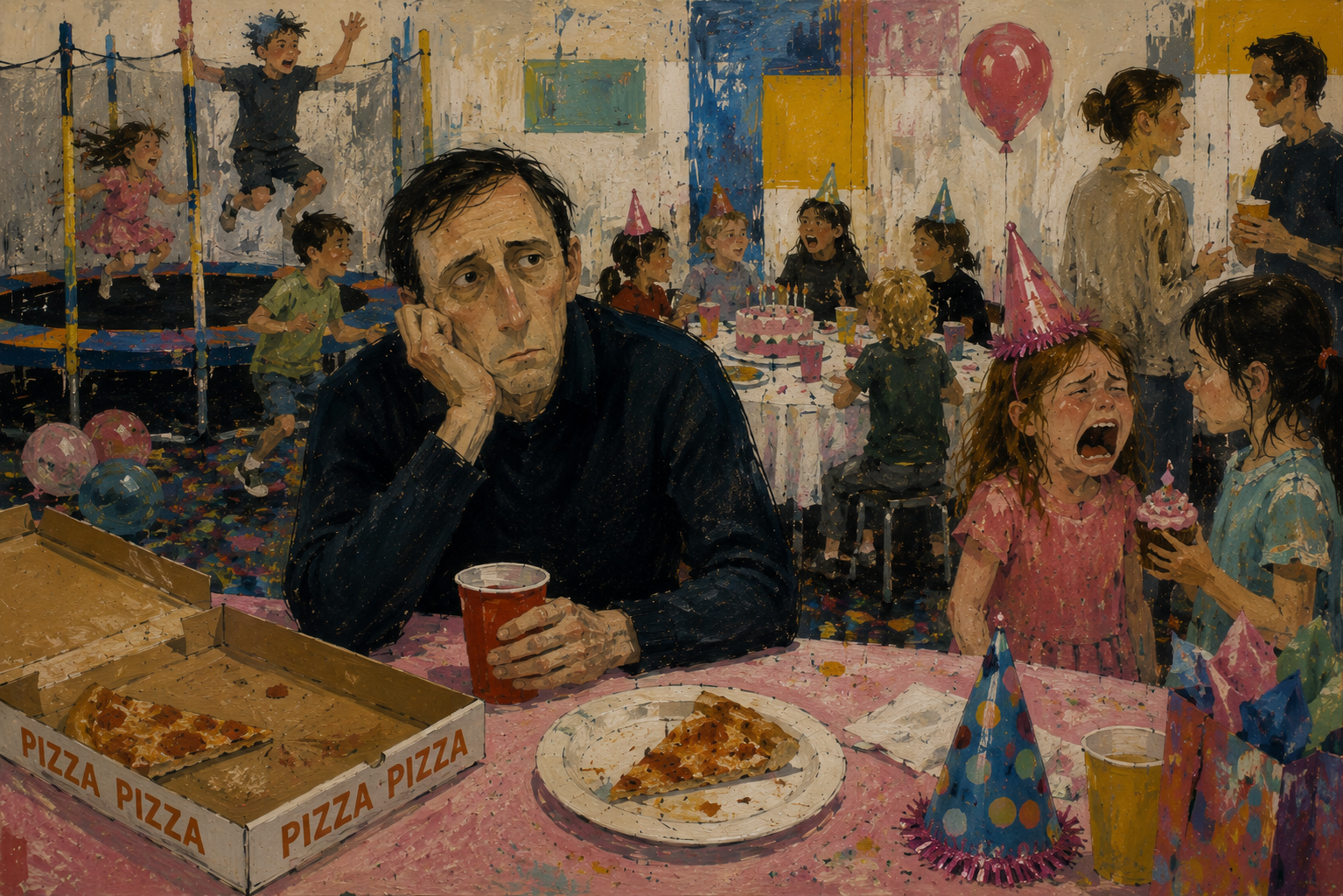
That matters because packaging teaches you what “normal” looks like. A single cookie in a tiny bag says, “Here is dessert.” A four-pack box says, “Here is a tasting flight, you refined little sugar sommelier.” A six-pack says, “You are hosting, probably.” A twelve-pack says, “Either there is a birthday party or you have lost a duel with impulse control.”
The box makes abundance look organized. Neat. Social. Shareable. It launders excess through presentation. Put four giant cookies on a paper plate and it looks like evidence. Put them in the Crumbl box and suddenly it looks like a lifestyle.
Variety Is Portion Control’s Smiling Assassin
One Crumbl cookie is easy enough to understand. Four different flavors? Now we have a problem. Variety wakes up the worst part of the human brain: the part that thinks tasting everything is science.
Crumbl’s rotating menu is built around discovery, new creations, and weekly excitement, while its newer Classics menu gives customers familiar options alongside rotating flavors. Crumbl itself says customers love dependable favorites and the excitement of discovering something new each week.
That combination is portion-control sabotage in a pink cardigan. You get the safe favorite, because you are not an animal. Then you get the weird limited flavor, because what if it is amazing. Then you get the one with chocolate because somebody will want chocolate. Then you get the frosted one because it looks like a unicorn had a medical emergency.
At no point did hunger make these decisions. Curiosity did. Curiosity is hunger’s drunk cousin.
Crumbl Is Social Media Food, and Social Media Has Never Helped Anyone Eat Normally
Crumbl’s cookies are made to be photographed, reviewed, ranked, sliced, pulled apart, and judged by strangers with ring lights. The company’s own story page describes its pink packaging as recognizable and Instagrammable, perfect for reviews, boomerangs, and social media photos.
That means the cookie is not just food. It is content. And content food has a different job than normal food. Normal food feeds you. Content food performs. It must ooze, stretch, crumble, split, smear, and reveal an interior like it is auditioning for a medical drama.
Portion control cannot compete with spectacle. Nobody makes a TikTok where they eat one-sixth of a cookie mindfully with water and then go for a pleasant walk. That video would get three views, two of them from concerned relatives.
The internet rewards excess. Crumbl understands this. So does every person who has ever filmed a cookie review and said, “Okay, I’m just going to take a small bite,” before biting into it like a beaver attacking a dock.
Large Portions Make People Eat More Because Apparently We Needed Science to Confirm Eyes Work
This is where Crumbl runs into basic human behavior. Bigger portions lead people to eat more. Mayo Clinic notes that research has shown people almost always eat more food when offered larger portions. The CDC also says people unintentionally consume more calories when faced with larger portions, especially high-calorie foods.
This is not because people are weak or stupid. It is because the environment is louder than intention. You can walk into Crumbl thinking, “I will eat half.” Very noble. Very brave. Give this person a tiny medal made of quinoa.
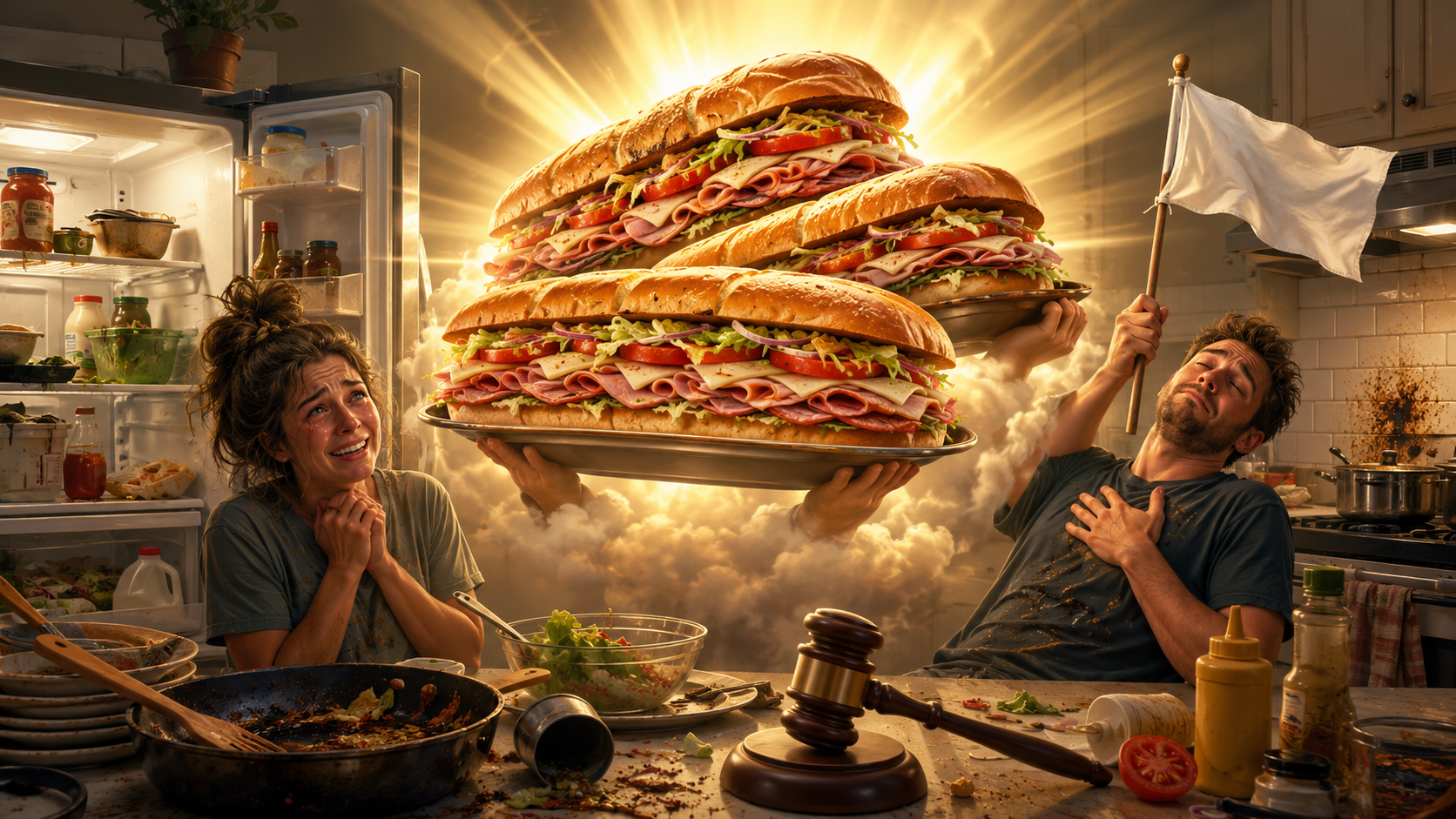
Then the cookie sits there. Large. Soft. Available. Already paid for. You cut a quarter. Then another “small piece.” Then you trim the edge because the edge is “uneven.” Then you eat the frosting-heavy section because saving it would be weird. Suddenly the cookie is gone, and your portion-control plan is lying face-down in a ditch next to an empty box.
Crumbl Minis Help, But They Are Not a Magical Fitness Portal
Crumbl does offer mini desserts at some locations and times, and the nutrition page for one store lists mini versions with lower calories than large versions, like a S’mores Cookie Mini at 200 calories compared with the large S’mores Cookie at 720 calories.
That is genuinely useful. Minis are what portion control should look like: smaller units, less math, fewer opportunities to lie to yourself while holding a plastic knife.
But let us not get carried away. Buying six minis because they are “tiny” is how the snack goblin wins using adorable accounting fraud. Mini desserts help only if you treat them like smaller portions, not collectible coins from the Republic of Buttercream.
How to Eat Crumbl Without Letting a Cookie Operate Heavy Machinery in Your Life
You do not have to ban Crumbl. That would be dramatic, and not even the fun kind of dramatic where someone flips a table at brunch. Crumbl is dessert. Dessert is allowed. Joy is allowed. Frosting is not a felony.
But if you care about portion control, treat Crumbl like a rich dessert, not a snack you casually inhale while checking email.
Cut the cookie before eating it. Not after “just one bite,” because one bite becomes one half when the cookie has the structural integrity of warm cake. Divide it into quarters or smaller pieces immediately, like you are disarming a bomb made of cream cheese frosting.
Share the box. The CDC recommends dividing large packages into smaller containers and not eating straight from the package; that applies beautifully here, because the Crumbl box is basically a glossy pink permission slip to lose track.
Buy fewer flavors than your curiosity demands. Curiosity is not a dietary requirement. You do not need to personally audit every weekly flavor like a federal inspector of sprinkles.
Use minis when available. They give you the Crumbl experience without requiring you to negotiate with a cookie the size of a salad plate.
Look up nutrition before ordering, not after. After is when people say things like, “Well, too late now,” which is the official motto of every snack-related disaster.
The Real Reason Crumbl Wins Against Portion Control
Crumbl wins because it understands dessert psychology better than most people understand themselves. The cookies are big, photogenic, limited-time, varied, shareable, and packed in boxes that make abundance feel normal. It is a brilliant system. Annoying, delicious, manipulative in the way all great desserts are manipulative.
Crumbl is not just selling cookies. It is selling the feeling that this week matters. This flavor matters. This box matters. This cookie is not just a cookie; it is a seasonal event with frosting.
That is why Crumbl cookies are built to destroy portion control. Not because they are evil. Evil would be simpler. They are worse: they are very good at being exactly what they are.
A Crumbl cookie is oversized, over-the-top, and overqualified for the role of “small treat.” It is a dessert dressed as a cookie, a social media prop dressed as a snack, and a portion-control trap dressed in pink cardboard.
Eat it. Enjoy it. Just do not pretend one giant frosted cookie is a casual nibble. That thing has the caloric confidence of a lasagna and the emotional manipulation skills of a golden retriever staring at your sandwich.