Low-Calorie, High Protein Chinese Food Options (2025)
November 2025 update
What “low-calorie, high-protein” means in this guide
Every restaurant cooks differently, but for this article we’ll roughly aim for entrées that are:
Under about 500–600 calories per reasonable portion
At least 20 grams of protein
Built mostly from lean protein and vegetables, not deep-fried batter or sugary sauce
Sodium will almost always be high with Chinese takeout, so think of these as calorie- and protein-friendly, not “perfectly clean.”
Big-picture rules for ordering healthier Chinese food
If you’re scanning a menu and don’t want to overthink it, follow these rules:
Base your meal on lean protein + vegetables
Great protein choices: chicken, shrimp, tofu, and sometimes lean beef or pork.
Pair them with broccoli, snap peas, bok choy, cabbage, mushrooms, peppers, carrots, and other veg-heavy dishes.
Prioritize steamed or lightly stir-fried dishes
Look for words like “steamed,” “stir-fried,” “sautéed,” “with vegetables,” “with garlic sauce.”
Be cautious with “crispy,” “deep-fried,” “sweet & sour,” “honey,” “orange,” or “sesame” as main descriptors.
Control the sauce
Ask for sauce on the side or “light sauce.”
Dip each bite instead of pouring the whole container over your food.
Keep an eye on carbs and extras
Choose steamed rice instead of fried rice or noodles. Start with half a portion.
Go easy on egg rolls, crab rangoon, and fried appetizers if your goal is low-calorie.
Follow these four rules and most Chinese menus become way more macro-friendly.
Great low-calorie, high-protein soups and starters
Soups are a nice way to add volume and flavor without a ton of calories, especially if you skip the crunchy noodle toppings.
Egg Drop Soup
Simple, egg-based soup with broth and sometimes scallions or corn.
Typically modest in calories and offers a small protein boost from the egg.
Great as a light starter to take the edge off your appetite.
How to keep it light:
Skip the crispy noodles they bring to the table.
If the restaurant uses a lot of thickener, you can ask if they make a lighter version.
Hot and Sour Soup
Usually includes tofu, egg, mushrooms, and bamboo shoots.
Generally low in calories per cup and more filling than it looks.
Spicy, tangy flavor makes it satisfying without needing a huge portion.
How to keep it light:
Again, avoid the fried noodle strips.
One cup is usually enough; treat it as a starter, not a full meal.
Best low-calorie, high-protein Chinese entrées
Here are the dishes that most reliably give you a good protein hit without wrecking your calorie budget. Exact numbers depend on the restaurant, but these are consistently among the better options.
1. Chicken with Broccoli
A classic “healthier” Chinese takeout staple:
Chicken breast plus a big pile of broccoli in a brown garlic or soy-based sauce.
Typically one of the leanest chicken entrées on the menu.
High in protein with lots of fiber from the broccoli.
Order it this way:
Ask for steamed chicken and broccoli with sauce on the side.
Use only as much sauce as you need for flavor.
Pair it with half a serving of steamed rice or skip the rice if you’re keeping carbs very low.
2. Moo Goo Gai Pan (Chicken with Mushrooms and Veggies)
Moo goo gai pan is usually:
Sliced chicken with mushrooms, snow peas, carrots, and other vegetables in a light, mild sauce.
Lower in fat than many stir-fries and naturally veggie-heavy.
A good option when you want volume and protein without heavy flavors or oil.
Order it this way:
Ask for extra vegetables and “light sauce” or “light oil.”
Skip fried rice and lo mein; add steamed rice if you need the carbs.
If the portion is huge (it usually is), split the dish into two meals.
3. Beef with Broccoli
If you prefer beef, this is typically one of the leanest beef options:
Strips of beef with lots of broccoli in a savory sauce.
Higher in calories than chicken dishes because beef is fattier, but also very protein-dense.
Order it this way:
Request extra broccoli and “light sauce.”
If possible, ask for leaner cuts or less oil.
Keep rice portions modest and skip additional fried sides.
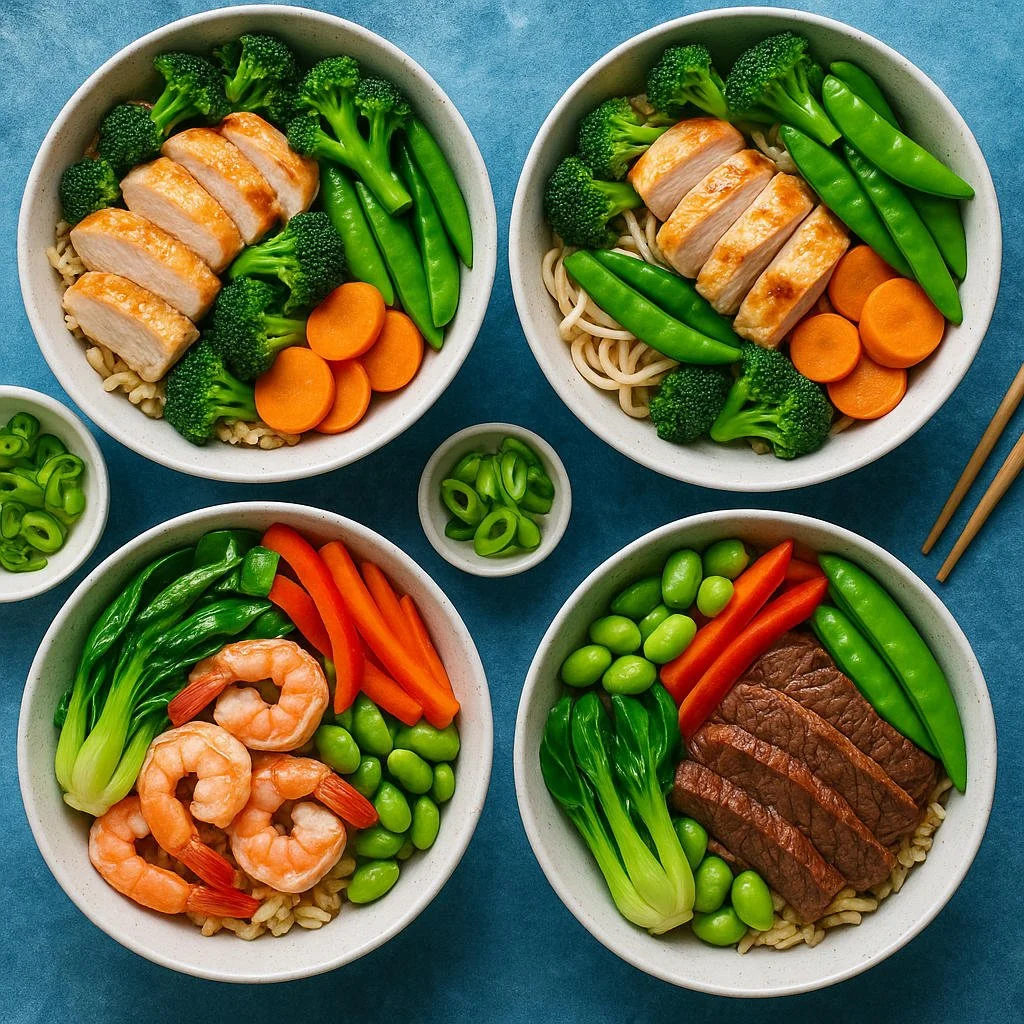
4. Steamed Chicken (or Shrimp) with Mixed Vegetables
Most Chinese restaurants have a “diet menu,” “steamed special,” or “healthy” section, often featuring:
Steamed chicken or shrimp
Mixed vegetables (broccoli, carrots, snow peas, mushrooms, bok choy, etc.)
Sauce served on the side
This combo is basically tailor-made for high-protein, lower-calorie eating.
Order it this way:
Ask for no oil, fully steamed, with sauce on the side.
Dip bites into the sauce instead of pouring it over everything.
Pair with a small amount of steamed rice or skip rice entirely and focus on the protein and vegetables.
5. Shrimp with Broccoli or Shrimp with Garlic Sauce
Shrimp is naturally:
Very high in protein
Low in calories
Quick to cook, which often helps keep oil usage down
Shrimp with broccoli or shrimp with mixed vegetables in garlic sauce are usually among the best picks on the menu.
Order it this way:
Ask for extra vegetables and “light sauce.”
If available, get it steamed with the sauce on the side.
Combine with a small serving of steamed rice, or just eat it as a low-carb, high-protein plate.
6. Buddha’s Delight (Vegetable and Tofu Stir-Fry)
Buddha’s delight is traditionally a vegetarian dish:
Mixed vegetables like cabbage, carrots, mushrooms, baby corn, and snow peas.
Often includes tofu for plant-based protein.
Very high in volume and fiber; calories mostly come from sauce and any added oil.
Order it this way:
Make sure it includes tofu (or ask for tofu to be added).
Request light oil or a steamed version with sauce on the side.
Great for vegetarians or anyone who wants a big bowl of veg with a decent protein bump.
7. Mapo Tofu (With Lighter Prep)
Traditional mapo tofu can be rich and oily, often featuring minced pork. But if you tweak it:
Tofu provides a lot of protein.
The dish can be decently macro-friendly if oil and pork are minimized.
Order it this way:
Ask if they can make a “lighter” mapo tofu with less oil and less pork.
Pair with extra steamed vegetables or a side of stir-fried greens.
Use a small portion of rice to soak up the sauce instead of a giant bowl.
Dishes to limit if you’re aiming for low-calorie, high-protein
These are tasty but usually not what you want if you’re on strict calories or cutting:
General Tso’s, orange chicken, sesame chicken, honey chicken
Typically battered, deep-fried, then coated in sugary sauce.
Portions can easily reach 800–1,000+ calories.
Sweet & sour chicken or pork
Same story: deep-fried plus syrupy sauce.
Lo mein and chow mein
Noodle-based dishes with lots of oil and not much protein per calorie.
Fried rice
Rice stir-fried in oil with egg and bits of meat; calorie-dense and easy to overeat.
Egg rolls, spring rolls, crab rangoon
Deep-fried appetizers that pack a lot of calories into a small package.
You don’t have to ban these forever, just treat them like occasional treats, not your default order.
How to build a macro-friendly Chinese meal
Here’s a simple formula you can reuse with almost any menu:
Start with a light soup
Egg drop soup or hot and sour soup to add volume for relatively few calories.
Pick one protein-and-vegetable main
Top choices:
Chicken with broccoli
Moo goo gai pan
Shrimp with broccoli or shrimp with mixed vegetables
Buddha’s delight with tofu
Steamed chicken or shrimp with mixed veggies
Control the carbs
Ask for steamed rice instead of fried rice or noodles.
Start with half a portion of rice. You can always eat more if you really need it.
Portion your takeout
Assume most takeout containers are 2–3 servings, even if they’re labeled as one.
Split your entrée in half, plate one half, and save the rest for later.
Use leftovers strategically
Turn leftovers into a second high-protein meal by:
Adding extra steamed vegetables at home
Adding a bit of extra lean protein if needed (grilled chicken, extra tofu, etc.)
Final thoughts
You don’t have to choose between your fitness goals and your favorite Chinese place.
If you:
Focus on lean protein + vegetables
Choose steamed or lightly stir-fried dishes
Keep sauces, rice, and fried extras under control
…you can enjoy Chinese food regularly and still hit your low-calorie, high-protein targets. Think “chicken or shrimp with vegetables and sauce on the side” as your default template, and you’ll be in great shape—literally and figuratively.